
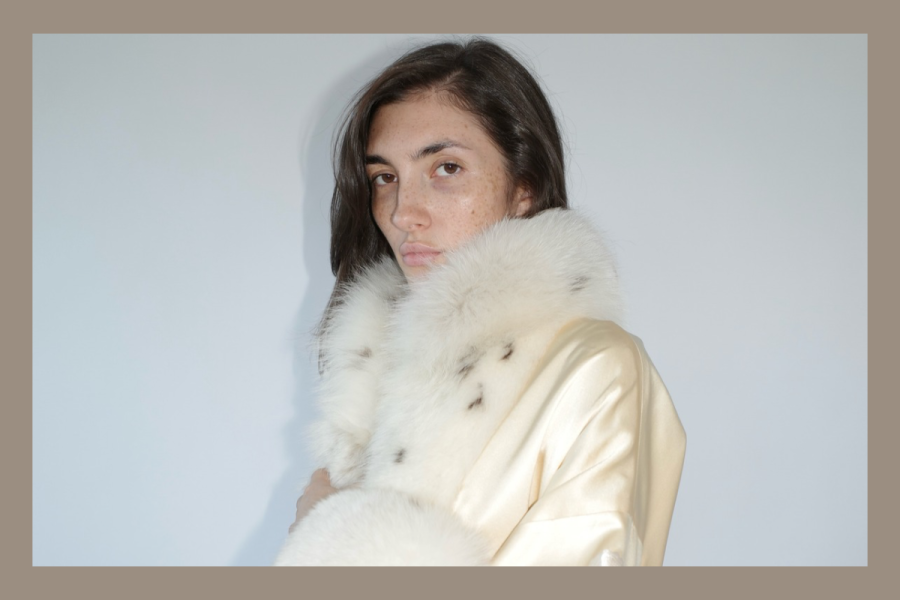
Ornate silk, intricate embroidery, and dramatic fur-trimmed collars are bringing opera coats back into prominence in winter fashion. However, as Chinese-inspired designs gain popularity, Asian designers are calling for greater recognition of the traditions behind them.
The renewed interest has put Chinese textiles and traditional clothing details at the centre of a wider fashion conversation. Crane motifs featured in some of these designs also carry cultural significance, as the bird has long symbolised longevity and purity in Chinese art.
Opera Coats Return
Conner Ives has featured the historical style in his autumn/winter 2026 collection at London Fashion Week. His designs include lavishly embroidered coats made using upcycled silk tapestries dating back to China's Qing dynasty (1644–1911).
One standout design included embroidered red-crowned cranes, bamboo leaves, and flowers. These details have drawn attention to ornate outerwear with Chinese-inspired imagery, rich fabrics, and decorative finishes.
The renewed popularity also reflects a shift away from minimalist winter clothing towards more expressive pieces. Cheryl Leung, founder and creative director of Sau Lee, attributed the change to consumers' growing interest in distinctive fabrics and textures in an interview with ELLE.
'There's been a real change in how people perceive Chinese design,' Leung told the publication. She highlighted brocade as an example of a fabric that can bring character to contemporary clothing, particularly when incorporated into modern silhouettes and paired with simpler pieces.


Chinese Design Recognition
Chinese-American designer Kim Shui, creative director of her eponymous label, has long incorporated traditional Chinese clothing and craftsmanship into her collections. Her design references include the qipao, brocade fabrics, embroidery and intricate knot closures.
However, Shui is concerned that these influences are frequently overlooked as Chinese-inspired coats become more visible across fashion and social media. 'I've seen so many "trending winter coat" videos featuring Chinese brocade coats with fur trim and traditional Chinese embroidered silk coats, but they don't make any reference to their Chinese origins,' Shui said.
She noted that traditional terms like 'qipao' and 'mandarin collar' are sometimes replaced with generic descriptions such as 'stand collar' and 'high neckline'. Shui believes this removes important cultural context from the garments and their design features.
History of Chinese-Inspired Fashion
Chinese-inspired decoration appeared in Western opera coats long before the current revival. The London Museum has a British-made opera coat from between 1925 and 1930. The coat features red-and-gold brocade with Chinoiserie cloud patterns, and its rabbit-fur lining is dyed to resemble brown mink.
This piece demonstrates how Chinese-inspired designs were incorporated into British fashion nearly a century ago. Although Chinoiserie is a European decorative style influenced by Chinese art, its presence does not confirm that the coat uses traditional textiles.
Leung believes the current interest is an opportunity to introduce more people to the history of Chinese textiles and craftsmanship. She also distinguishes between appreciating a design tradition and overlooking its origins.
'I do think there's a difference between appreciating a design tradition and overlooking where it came from,' she said. 'If a designer has been inspired by Chinese textiles, craftsmanship, or traditional clothing, acknowledging that doesn't take anything away from their creativity.'
Shui similarly believes brands outside the culture have a responsibility to acknowledge the origins of the design elements they incorporate rather than presenting them as entirely new aesthetics. Both designers welcome the broader appreciation of Chinese-inspired fashion but believe its growing popularity should also bring greater recognition of such traditions.