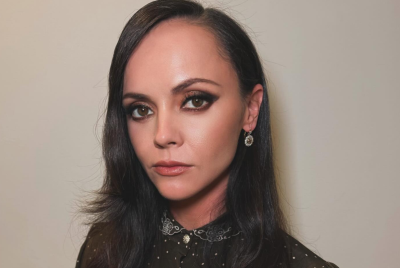
Paris Hilton, the American media personality and fashion icon, is speaking out — not for a runway appearance or product launch — but for something far more personal. That is living with attention-deficit/hyperactivity disorder (ADHD).
Hilton refuses to see ADHD as her flaw. Instead, she acknowledges it as a part of who she is, something that shapes her creativity and the way she approaches her work and life.
Embracing ADHD: From Stigma to Strength
ADHD affects millions worldwide and with this condition, it makes it hard to pay attention, control impulse, and make decision. People have always looked at the disorder from a medical point of view, but it has been misinterpreted, especially in women whose symptoms often present differently and go undiagnosed until adulthood.
Hilton, who was diagnosed with ADHD in her 20s, has been open about how her journey has changed her from being confused and ashamed to being empowered and an advocate.
In her interview with People, Hilton emphasised that her condition is 'not something that needs to be fixed.' She linked her ADHD to the very qualities that have helped her succeed in many other fields. 'I wouldn't be the entrepreneur I am today without it', she stated, pointing out that her brain's unique wiring fuels her ability to think creatively, take risks, and innovate.
Practical Strategies for Daily Life
Aside from changing her perspective, Hilton has detailed how she manages her symptoms with concrete strategies, such as structured routines, professional guidance, and practical tools.
A cornerstone of her approach is working with healthcare providers to tailor a treatment plan that suits her lifestyle and needs. Hilton has discussed her involvement with the Embrace Your Sparkle campaign and the use of ADHD medication taken at night. According to her, this helps her stay focused all day.
Structure plays a vital role in Hilton's symptom management. She says that notebooks, post-it notes, and whiteboards help her keep organise amid her busy life as a mother and company owner. 'It's really important to have structure, for there to be schedules', she shared, highlighting that intentional planning is essential when juggling multiple roles.
Creating Organised Environments
Hilton's advocacy has gone beyond her own daily life to include environmental design on a larger scale. Through her Inclusive by Design video series, she showcased how she adapted her home and workspaces to better support neurodiversity. From clear storage systems to labelled drawers and ergonomic furnishings, these modifications aim to reduce sensory overload, enhance visibility and create calm, functional spaces that benefit people with ADHD.
In a separate interview, she explained that her emphasis on environment aligns with evidence that people with ADHD often struggle with 'object permanence'. This means that things might feel non-existent when they are out of sight. This makes visual organisation a very helpful tool for her daily life.
Turning Struggles Into Advocacy Work
While Hilton sees her ADHD as a source of creativity, she also acknowledges the challenges that accompanied late diagnosis.
Reflecting on her younger years, she noted that a lack of understanding about neurodiversity made school difficult. 'I would constantly lose my homework, get in trouble with the teachers ... I just felt like something was wrong with me and I'd just be sad, but then I would just mask or, like, kind of try to act like nothing's wrong', Hilton recalled.
This personal history now supports her larger point, which is to create space for others who may feel alone in their differences.
Hilton's advocacy isn't merely rhetorical. By sharing her management tactics and reframing ADHD as a strength, she wants to remove stigma and get more people talking about what it means to live with neurodivergence.
Building a Future Beyond Stigma
Hilton calling ADHD a 'superpower' is part of a larger cultural shift towards recognising neurodiversity as a spectrum of strengths and challenges. By blending personal insight with practical tools, she offers a balanced perspective on how neurodivergent individuals can harness their uniqueness while managing symptoms effectively.
As neurodiversity continues to gain visibility in public discourse, Hilton's voice adds a high-profile example of what it means to thrive with ADHD in the modern world.