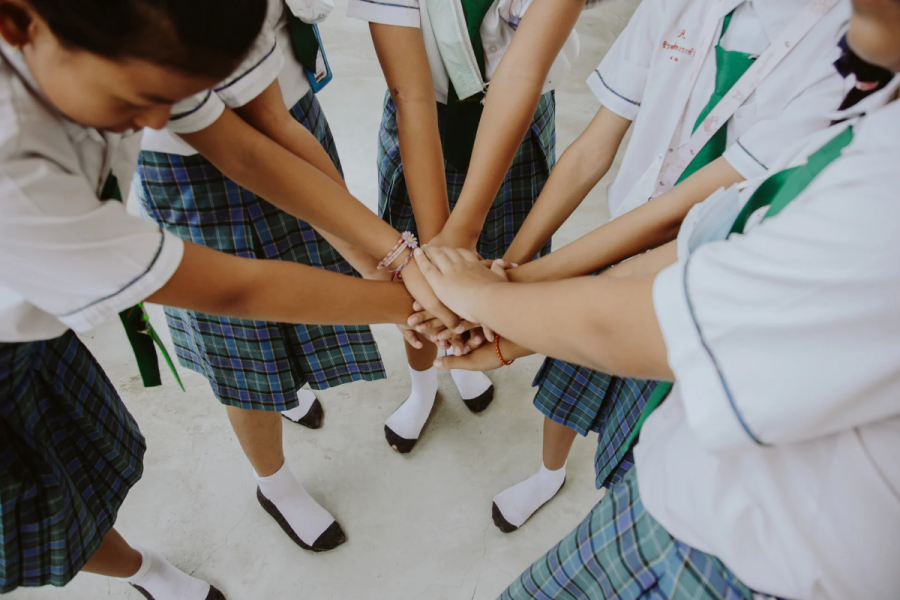
Peru's President Keiko Fujimori wants to ban makeup, painted nails, dyed hair, and long hair in public schools, days after an alleged rape of a student by classmates shook the country. Women's rights groups say rules on how pupils look will do nothing to stop sexual violence.
Fujimori unveiled the draft on Monday, 12 October during a visit to a school on the outskirts of Lima, saying order 'must also return to our schools and classrooms'. Education Minister José Antonio Chang said a limit on skirt length would follow, describing the aim as an appropriate length for school skirts. The rules would apply only to public schools, while private schools keep their own autonomy.
What Triggered the New Restrictions?
Earlier this month, Chang confirmed that Peruvian schools are reinstating expulsions. The decision followed the alleged rape case. The package also allows permanent expulsion for the most unruly pupils and bans phone use unless a teacher approves it.
Fujimori said she will not let a few badly behaved students damage the education of the majority. She also said teachers must be respected and that violence between pupils and attacks on school staff demand a firm and responsible response.
The president described the proposals as part of a plan to end bullying, sexual harassment and violence in classrooms. She said prosecutors will be consulted in cases involving those responsible, urged young people to report incidents to a teacher or principal, and stressed that victims must not be forced to leave school. The dispute is over whether nail varnish and hair length relate to those aims.


Critics Call Hair and Makeup Bans Authoritarian
Two feminist organisations, the Manuela Ramos Movement and the Flora Tristan Peruvian Women's Centre argue that controlling hair or makeup 'does not prevent sexual assault or other forms of school violence'. The National Human Rights Coordinator called the restrictions populist and authoritarian.
Fujimori was elected in July on a law-and-order platform, and her line that order belongs in classrooms as well as on the streets fits it neatly. Critics see a government responding to a serious failure to protect a child with rules about how teenagers look, rather than with action aimed at those accused of causing harm. The government says it aims to restore discipline and respect in schools, and Fujimori has said she wants the plan to spark debate.
What's Next for Peru's Public School Dress Code Proposals?
Nothing is final. Fujimori said the guidelines could have gone straight into the official gazette, but the government chose to open them to debate first. The proposals go to public consultation first, and Chang has invited civil society and specialists to give their views. Public schools will then have 30 days to update their regulations. The exact limits on hair, nails, makeup and skirts have yet to be set, and the wording could still change once comments come in.
EL ORDEN VUELVE A LOS COLEGIOS DEL PERÚ.
— Keiko Fujimori (@KeikoFujimori) October 13, 2026
Vuelven las expulsiones. Se recupera la autoridad de los maestros y se restablece la disciplina en las aulas.
La educación necesita autoridad, disciplina y respeto. pic.twitter.com/FSvszu1fK9
For its critics, the proposed Peruvian school dress code signals a government willing to trade pupils' personal autonomy for the appearance of order. Peru now has to decide whether protecting children and policing how they look are the same job.