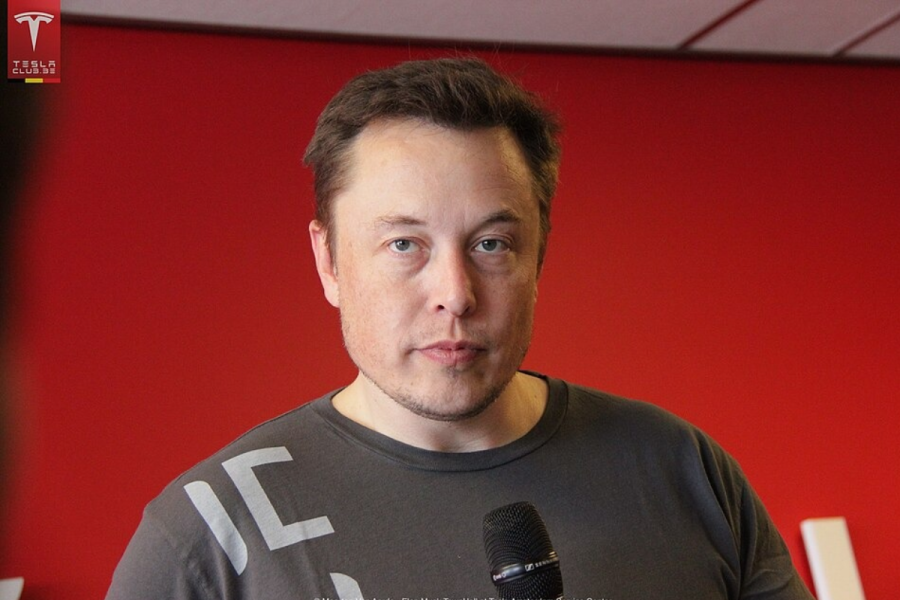
Elon Musk accidentally exposed two Texas addresses, partial credit card details and an order number while demonstrating Grok's shopping capabilities on Sunday, 11 October. The Tesla and SpaceX chief shared a screenshot of a $241.34 (approximately £182) Lego Star Wars purchase with his more than 240 million X followers, inadvertently displaying information from the checkout.
The billionaire later clarified that the exposed address was not his residence, but a location where he receives mail. The incident also prompted an X user to claim they had cancelled his Lego order, an assertion Musk publicly disputed.
Musk's Lego Purchase Reveals More Than Intended
I just asked Grok @Bot to research the most fun Lego Star Wars kits for young kids and order them. As easy as that. https://t.co/ZWqEIwBNFB pic.twitter.com/5IKVoqvuhb
— Elon Musk (@elonmusk) October 11, 2026
'I just asked Grok @Bot to research the most fun Lego Star Wars kits for young kids and order them. As easy as that,' Musk wrote alongside his screenshot. The image showed a completed purchase confirmation for five Lego items. The demonstration was intended to highlight how Grok Bot, an AI agent developed by Musk's artificial intelligence company, could handle online shopping.
However, the screenshot also displayed an Austin shipping address, a separate billing address, an email address and the final four digits of an American Express card used for the transaction. An order reference was visible, providing another detail associated with the purchase. Although the full card number was not exposed, the image contained enough information for other users to attempt enquiries about the order.
International Cyber Digest, an X account covering cybersecurity, reposted the screenshot and questioned Musk's operational security. Musk responded by clarifying the nature of the address, writing: 'I don't live there. That's where my security team receives mail.' His response addressed speculation about his residence but did not change the fact that the checkout information had been publicly shared.


Enderman Claims to Have Cancelled Musk's Lego Order
Just canceled your order, don’t share your info online guys 👍 https://t.co/n4GLXBPWWP pic.twitter.com/GoE8he0PCT
— Enderman (@Enderman) October 11, 2026
An X user known as Enderman subsequently claimed to have contacted Lego using details from Musk's screenshot and requested cancellation of the purchase. The user shared images of an interaction with Lego's automated customer service assistant. However, those screenshots indicated that a cancellation request had been forwarded for review rather than confirming that the order had been cancelled.
Musk challenged the claim and shared a follow-up Grok response indicating that all five Lego items remained in the order. According to the status displayed in that response, the purchase had reached the 'In Warehouse' stage. The billionaire maintained that the attempted cancellation had not succeeded.
Lego's official order guidance states that customers can cancel online before items reach 'In Warehouse' status. Once any item reaches that stage, the entire order can no longer be cancelled online, although Lego says customers may still request cancellation of individual items that have not yet reached the warehouse. No independent confirmation has established that the X user's cancellation attempt succeeded.
Grok's Shopping Features Raise Questions About Privacy
The controversy followed a separate Musk post on Saturday, 10 October, promoting Grok's ability to purchase products online. He told followers they could photograph their credit cards, upload the images into a chat and ask Grok Bot to find the best available deals. The suggestion attracted attention because financial credentials are among the sensitive details AI services generally advise users to protect.
Okay, this is wild...
— Min Choi (@minchoi) October 10, 2026
I gave Grok Bot a photo of my credit card.
It figured out what I needed for work, found the best deal, and added it to my Amazon cart.
I didn't even pick the product. 🤯 https://t.co/MfUzKBFwYr pic.twitter.com/Hvnrr244dF
Grok Bot's official documentation recommends keeping purchases and financial transfers subject to user approval. It also instructs users to take control when entering sensitive information or confirming payments. Meanwhile, payment company Stripe says its Link wallet for AI agents uses approved spending requests and temporary payment credentials without giving agents access to underlying card details.
Musk has not publicly explained how his suggested credit card photograph method interacts with those payment safeguards. X's official Grok guidance separately advises users not to share sensitive personal information in chatbot conversations. In Musk's Lego demonstration, the verified exposure resulted from the screenshot he posted publicly, rather than a demonstrated breach of Grok or Lego's systems.
The purchase nevertheless showed Grok Bot carrying out an online shopping task, while the subsequent dispute highlighted the consequences of making transaction information public. Musk's follow-up screenshot indicated that the order remained active, although its final status had not been independently verified. The disclosure itself was visible in his original post. His demonstration consequently became a discussion about privacy as well as AI-powered shopping.