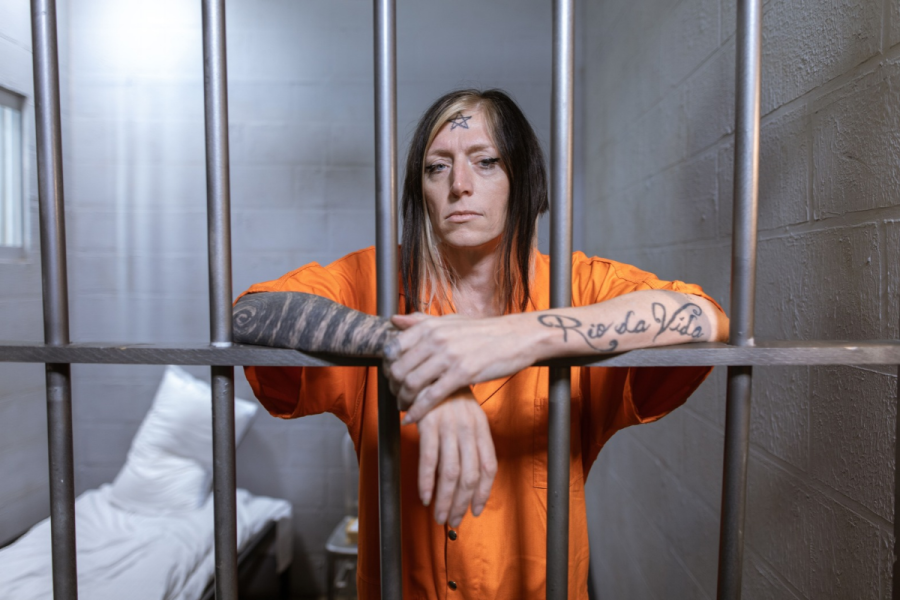
Three women nearing release from New York City's Rikers Island received professional makeovers, showing how inmates turn soap into hair gel and tampon strings into tools for eyebrow threading. The one-day pilot at the Rose M. Singer Center offered hair and makeup services to women preparing for life outside after months of limited access to beauty products.
The initiative, documented in interviews published on Thursday, 8 October, was organised by nonprofit Beauty Beyond Bars in partnership with Manhattan salon Citryne Rose and makeup artist Maricela Saucedo. For Daesha Holloman, 31, Adia Charles, 28, and Lizette Lugo, 47, the appointments represented an opportunity to reclaim their personal style before returning home.
From Melted Soap to Makeshift Eyeshadow
Without easy access to conventional cosmetics, women at Rikers Island have developed unconventional alternatives using everyday supplies. Charles described how inmates melt bars of Corcraft soap into a thick substance that works as hair gel, particularly for smoothing edges around the hairline. Others reportedly use deodorant against coloured magazine pages to create makeshift eyeshadow.
Eyebrow grooming requires similar improvisation, with some women using threads pulled from tampons to shape their brows. Lugo said she had received these treatments during her six months at the facility, sometimes exchanging commissary items for the service. These improvised techniques reflect restricted access to products rather than professionally recommended beauty practices.
Even basic hair maintenance presents challenges, with Charles explaining that hot water leaves her locs dry, and the available hair grease weighs them down. Lugo, who works as a suicide-prevention aide, uses some of her earnings to buy cosmetics, including foundation costing approximately $11 (£8). Holloman, meanwhile, described poor-quality makeup and unsuitable application sponges as reasons for avoiding cosmetics sold inside.

Three Women Get Their Transformations Before Release
Citryne Rose founder Julie Dastine and her team tailored each makeover to the women's preferences. Holloman, whose usual hair care options consisted largely of shampoo, grease and a small comb, received a silk press and trim that created a long bob. Charles had her red and blonde locs refreshed and styled into a twist-out.
WATCH HERE: Women at Rikers Island reveal their unconventional beauty hacks and receive professional makeovers as they prepare for life after prison.
Lugo requested blonde hair to cover her greys, alongside false eyelashes for her upcoming return home. 'It's a new start,' she said, acknowledging her excitement and nervousness about leaving prison. Following their appointments, the women changed into donated clothing from the facility's boutique and posed for Polaroid portraits.
The photographs were intended to be mailed to their families, giving the transformations an additional emotional significance. Lugo planned to surprise her son with her portrait rather than telling him to expect it. Holloman was also looking forward to reuniting with her daughter, who was only four months old when she entered Rikers Island.
A Fresh Look and Plans for Life Outside
Beyond their appearances, the women discussed ambitions they hoped to pursue after their release. Charles wants to become a barber, while she and Holloman have considered starting a podcast about the experiences of incarcerated women. 'When you look good, you feel good,' Charles said, describing why maintaining her appearance matters.
Beauty Beyond Bars founder Lea Nepomuceno hopes the initiative will eventually connect incarcerated women with professional training and employment opportunities in the beauty industry. The organisation's proposed model includes textured-hair education, business skills and support from participating salons. It hopes to return to Rikers twice monthly, although further sessions have not been confirmed.
The programme also complements existing reintegration efforts, including the facility's clothing boutique, which reopened in March 2026. While professional makeovers cannot resolve the wider challenges of incarceration and returning to society, the women described renewed confidence and plans for their futures. Holloman expressed that outlook in five words: 'I'm bigger than being incarcerated.'