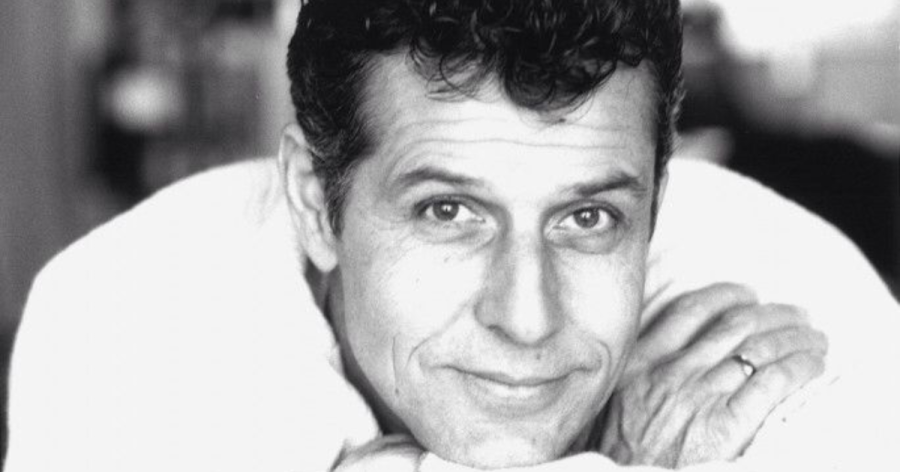
Pierre Deny may not have always been the loudest presence on screen, but his career tells the story of an actor whose quiet strength and refined screen presence left a lasting impression across French television, film, and later, global streaming audiences. Best known internationally for his role in Emily in Paris, Deny built a decades-long career grounded in theatre discipline, steady television work, and a consistent ability to bring depth to supporting roles.
Across more than four decades in the industry, Deny developed a reputation as a dependable and elegant screen performer, often cast in roles that required authority, emotional restraint, or subtle complexity. While his global recognition came later in life through Netflix's hit series, his body of work in France had already cemented him as a familiar and respected face in entertainment long before Emily in Paris introduced him to a wider audience.
His passing at the age of 69 has prompted renewed attention to a career that, while not always centre stage in international headlines, was marked by longevity, craft, and quiet distinction.
A Career Rooted in Theatre and Early Screen Work
Pierre Deny's journey into acting began in theatre, where many French performers traditionally refine their craft before moving into film and television. This foundation gave him a strong sense of discipline and character control, traits that would become defining features of his screen performances.
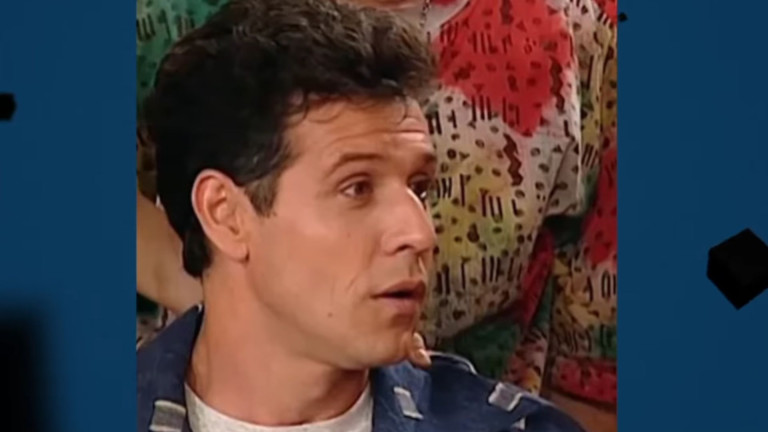
He made his screen debut in the late 1970s, appearing in the short film Noctuor (1978), before landing his first feature film role in The Bourgeois Gentleman (1982). These early roles set the tone for a career that would gradually expand across both cinema and television, rather than exploding through one breakout moment.
Unlike many actors who become defined by a single franchise or genre, Deny's work evolved steadily over time. His career was built through consistency rather than sudden fame, allowing him to establish a long-term presence in French entertainment.
Television Success and National Recognition
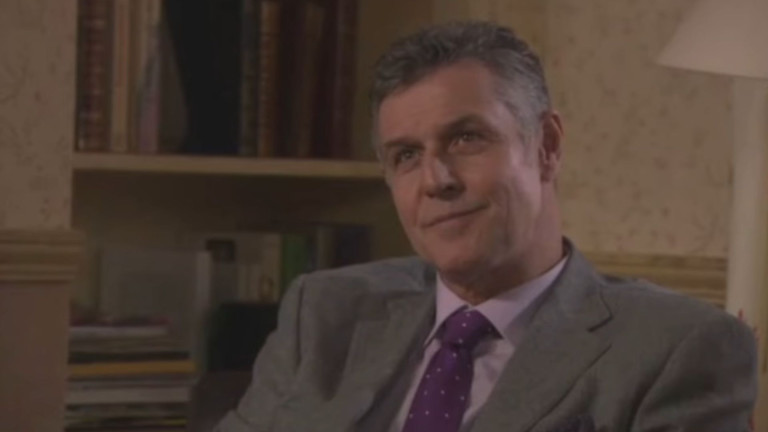
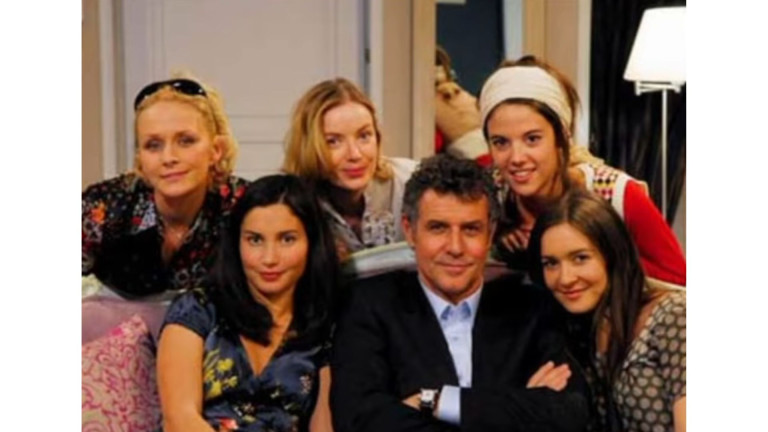
While his early film roles helped him enter the industry, it was television that truly established Deny as a recognisable figure in France. From 1999 to 2008, he starred in the long-running series Une Femme D'Honneur, where he played Philippe Kremen. The show's popularity made him a familiar face in households across the country, reinforcing his reputation as a reliable and versatile television actor.
He later appeared in Cinq Soeurs (2008), continuing his steady presence on French television screens. Over the years, Deny became known for roles that balanced emotional depth with professional authority, often portraying characters who carried quiet weight within ensemble casts.
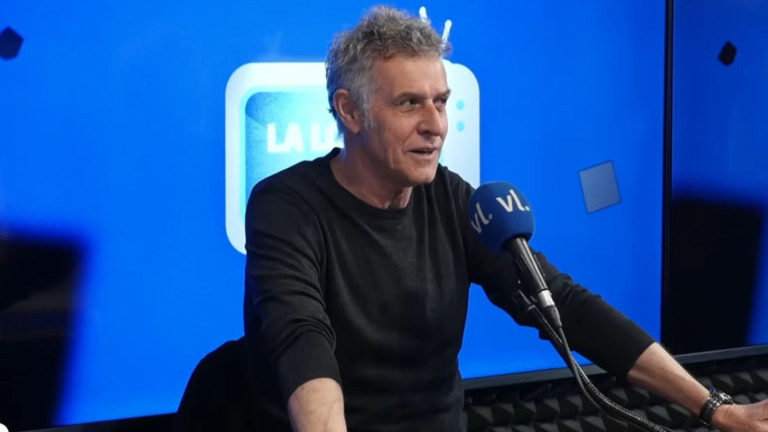
Between 2017 and 2023, he also appeared in more than 300 episodes of Tomorrow Is Ours, one of the most prolific stretches of his career. This long-running involvement demonstrated not only his endurance as a performer but also his adaptability within the fast-paced demands of daily television production.
His later television credits included appearances in Le Fil d'Ariane and Camping Paradise in 2025, marking the final screen roles of his career.
International Recognition Through Emily in Paris
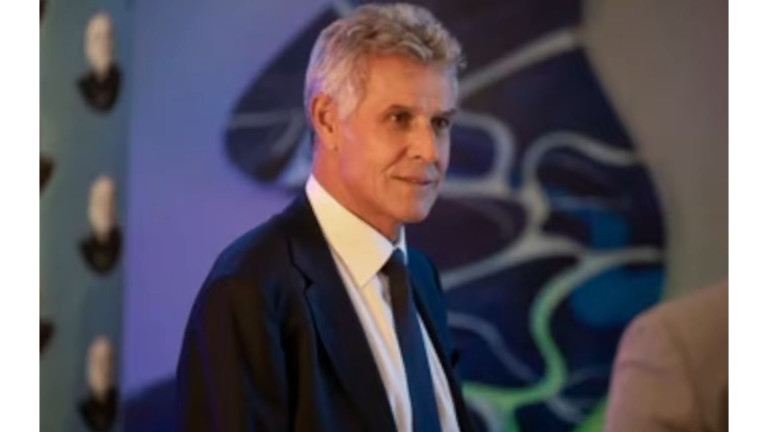
Although Deny had already built a substantial career in France, his international visibility grew significantly when he joined the cast of Netflix's Emily in Paris in 2022. He portrayed Louis de Léon, the father of Nicolas, played by Paul Forman.
His role was not the largest in the series, but it was notable for its refinement and understated authority. Appearing in seasons three and four, Deny brought a sense of maturity and gravitas to the storyline, standing out in scenes where subtle performance mattered more than dialogue-heavy drama.
Within the glossy, fashion-driven world of Emily in Paris, Deny's presence added balance. While the series is often defined by its vibrant aesthetic and youthful energy, his character introduced a more grounded, intergenerational dynamic. It was this contrast that made his performance quietly memorable for viewers.
A Legacy Built on Subtle Strength
Pierre Deny's career reflects a type of acting often overlooked in global entertainment conversations: the supporting performer whose consistency elevates every project they join. He was not defined by celebrity spectacle, but by longevity, professionalism, and the ability to remain relevant across shifting eras of television.
From French procedural dramas to long-running soap-style series and eventually international streaming hits, Deny adapted to each phase of the industry without losing his understated style. His performances rarely relied on dramatic excess; instead, they were shaped by control, timing, and presence.
His work on Emily in Paris later introduced him to a younger, global audience, many of whom may not have known the extent of his earlier career. For them, he became a familiar face in a world of stylised Parisian storytelling. For French audiences, he remained a seasoned actor whose career spanned generations of television.
Remembering a Quiet Presence on Screen
As tributes emerge, Deny is being remembered not only for his roles but for the quiet professionalism he brought to every production. His career serves as a reminder that influence in entertainment is not always measured by leading roles or viral fame, but by sustained contribution over time.
Pierre Deny leaves behind a body of work that spans theatre stages, film sets, and some of France's most recognisable television series. His appearance in Emily in Paris may have brought him renewed international attention, but it is only one chapter in a much larger story of dedication to craft.
In an industry often driven by visibility, Deny's legacy is defined by something more enduring: consistency, restraint, and a quiet ability to stand out without demanding the spotlight.