
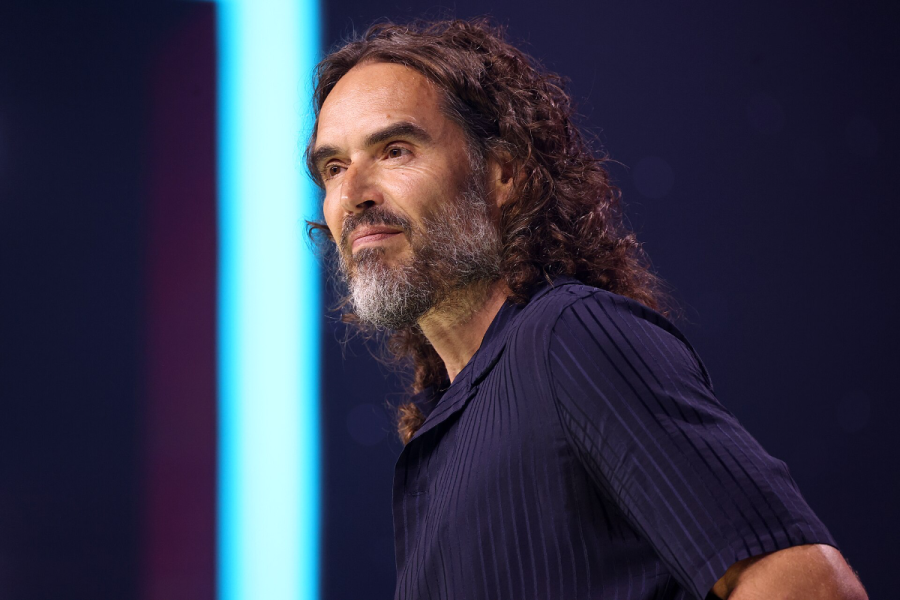
Russell Brand could face renewed hair loss after reportedly losing access to his preferred treatment for male pattern baldness in prison. The comedian, 51, has previously used Propecia, a prescription medication containing finasteride, to maintain his hair, but the treatment is understood to be among the personal products he can no longer access in custody.
Brand's hair has been a recognisable part of his appearance throughout his entertainment career. His reported loss of access to the medication raises questions about how quickly the effects of stopping treatment could become noticeable.
Russell Brand's Access to Hair-Loss Treatment Restricted
Brand has reportedly been unable to continue his usual hair-care routine following his imprisonment. His preferred products include Propecia and Alpecin caffeine shampoo, which he has used to maintain his distinctive hairstyle.
The comedian was previously photographed carrying Propecia tablets in 2010, providing an earlier indication of his use of the hair-loss treatment. Propecia contains finasteride, a medication prescribed to treat male pattern baldness. It works by reducing levels of dihydrotestosterone (DHT), a hormone that contributes to the shrinking of hair follicles in men with hereditary hair loss.
By lowering DHT levels, finasteride can slow hair loss and help maintain existing hair. However, its benefits generally depend on continued treatment. When someone stops taking the medication, DHT levels gradually return towards their previous levels, potentially allowing hair loss to resume.
How Quickly Could Brand Experience Hair Shedding?
Hair transplant surgeon Dr Aziz Elgindi explained that hair shedding could begin as early as three to four weeks after discontinuing finasteride. However, the more typical timeframe for noticeable changes is between three and six months.
The medication's effects do not disappear immediately after the last dose. Although finasteride leaves the bloodstream relatively quickly, its impact on the enzyme responsible for DHT production can continue for longer.
As the body produces new enzymes, DHT levels gradually recover. This can allow the underlying hair-loss process to resume. After approximately 12 months without treatment, hair loss may progress towards the stage it would naturally have reached without medication.
The extent of any changes depends on individual factors, including genetics and the condition of the hair before treatment began. The timeframe does not establish that Brand has already experienced visible hair loss.


Russell Brand's Prison Sentence Following Convictions
Brand's imprisonment follows his conviction at Southwark Crown Court on 5 November 2026. A jury found him guilty of one count of rape and three counts of sexual assault involving four women. The offences took place between 2004 and 2009. He received a sentence of 10 years and six months on 9 November and was ordered to register as a sex offender for life.
The comedian was initially held at HMP Wandsworth in London before being transferred to HMP Littlehey in Cambridgeshire on 13 November. The Category C prison houses adult male inmates who do not require maximum-security conditions.
Prisoners' access to medication is managed through healthcare assessments, with prescribed treatments subject to approval by prison medical staff. Whether Brand will be able to resume his finasteride treatment during his sentence remains unclear.