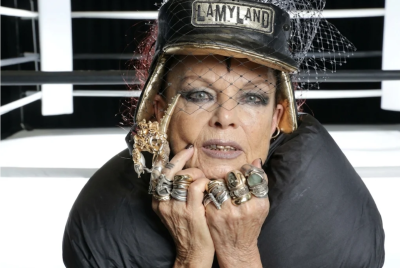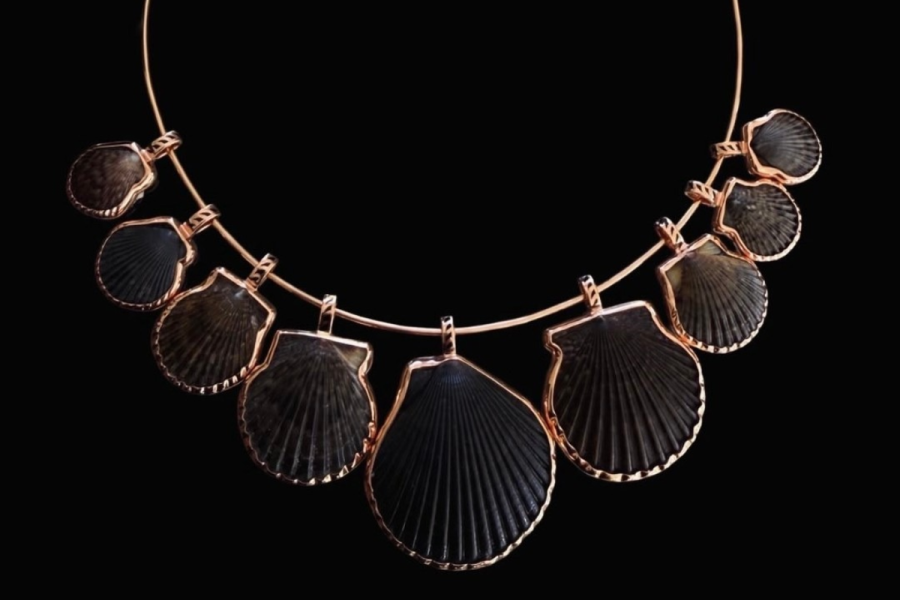
Jewellery designer Sara Beltrán has hired an attorney to pursue potential legal remedies against Veronica Beard after accusing the fashion brand of copying designs from her luxury label, Dezso by Sara Beltrán. The dispute centres on three hand-carved shell necklace designs that Beltrán says she created in 2021 and later saw reflected in Veronica Beard's 2026 jewellery collection.
Beltrán brought the similarities to public attention on 16 October 2026, sharing images of the respective designs on Instagram alongside the message: 'Shame on you, Veronica Beard, 20 years of my work, and now this.' Her post prompted a response from the fashion company and brought renewed attention to the dispute between the independent designer and the established fashion brand.
While Veronica Beard subsequently acknowledged similarities between certain pieces in its jewellery collection and Dezso designs, Beltrán has continued to challenge the company's handling of the matter. She is now pursuing potential legal remedies through attorney Lani Adler.
Sara Beltrán Challenges Veronica Beard Over Similar Designs
The controversy involves shell-inspired necklaces that Beltrán says reflect the distinctive aesthetic she has developed through Dezso. Her jewellery draws on natural forms, including shells, alongside gemstones and precious metals. According to Forbes, Veronica Beard's then-director of buying, Gabriela Sorrentino, contacted Beltrán in April 2024 about a possible collaboration involving the brand's boutiques in Nantucket and the Hamptons. Beltrán declined the approach, explaining that it did not align with the direction of her luxury jewellery label.
The earlier contact has become an important part of the dispute. Beltrán has questioned how the brand could express interest in her work before pieces resembling her designs appeared in its collection. However, the earlier collaboration approach does not in itself establish that Veronica Beard copied her work. Beltrán's concerns extend beyond the resemblance between individual necklaces. She has argued that the alleged reproduction of recognisable elements of her designs using less expensive materials could undermine the identity and perceived value of the business she has spent years building.




Veronica Beard Responds to the Copying Allegations
Following Beltrán's public criticism, Veronica Beard acknowledged that certain pieces in its recent jewellery collection closely resembled Dezso designs. The company said it respected Beltrán, her craft and her business, and confirmed that the relevant products had been removed from its stores and website. The brand also apologised and said it would review its design process to help prevent similar situations in the future. On 17 October, CEO Stephanie Unwin contacted Beltrán, offering an apology and an opportunity to speak. Beltrán declined the invitation.
Beltrán was not satisfied with the company's response. In comments reported by Forbes, she questioned whether the statement amounted to a meaningful apology and expressed dissatisfaction with how the company had communicated with her. The dispute has since moved beyond the removal of the jewellery from sale. Beltrán argues that the impact on Dezso's identity and reputation cannot be resolved simply by withdrawing the products.
Designer Hires Attorney To Pursue Legal Remedies
Beltrán has hired New York-based attorney Lani Adler to pursue potential legal remedies. Adler has expressed confidence in the documentary evidence gathered by Dezso and anticipates that additional documents obtained through potential discovery could support Beltrán's claims. Discovery has not been established as having taken place. Adler has also questioned the significance of Veronica Beard's earlier approach about a possible collaboration, arguing that the circumstances surrounding the contact deserve scrutiny. Her assessment represents the designer's legal position; it is not a finding that the fashion company has infringed any intellectual property rights.
The dispute raises questions about how independent jewellery designers can protect distinctive elements of their work when similar designs appear in collections from larger fashion businesses. However, resemblance alone does not automatically establish intellectual property infringement. Any legal claim would depend on the specific designs, the rights involved, the available evidence and the applicable law. For Beltrán, the dispute is about more than three necklaces. Her reference to 20 years of work reflects her concern for the creative identity associated with Dezso and her determination to protect the designs she says have shaped the label.