

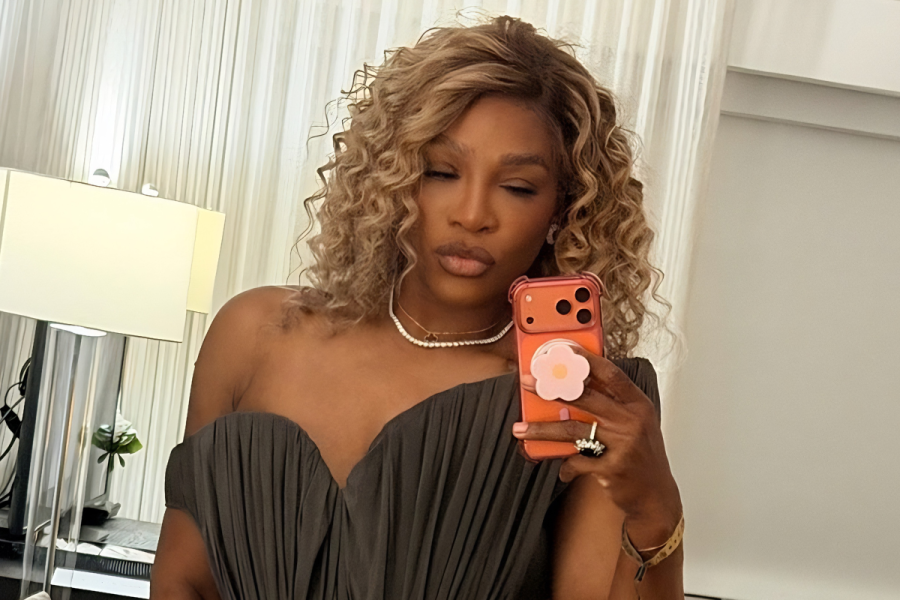
A simple question is driving a heated debate online: what happens when one of the world's most famous athletes promotes a weight-loss drug? Serena Williams' partnership with a GLP-1 medication company has sparked concern among some social media users, who fear celebrity endorsements could make the treatment appear more attractive to young women. The discussion comes as demand for weight-loss injections continues to surge worldwide.
Critics argue that the influence of high-profile figures can extend far beyond advertising, especially when health and body image are involved. Some have urged girls and young women who are not medically obese to carefully research the potential side effects before considering GLP-1 drugs. As the conversation grows, Williams' campaign has become the latest flashpoint in a wider debate over celebrity responsibility, medical ethics, and the growing cultural impact of weight-loss medications.
Why Serena's Promotion Has Drawn Attention
Williams has appeared in advertising for a GLP-1 weight-loss treatment, bringing renewed focus to the growing market for the drugs. Critics have pointed out that the company behind the campaign is linked to her husband through an investment stake. They argue that such partnerships can create ethical concerns when health products are being promoted to a mass audience.
Weight loss jabs may work at losing weight but does it impact stamina negatively? Serena in the last set was puffing and looked out of gas.
— Pavvy G (@pavyg) July 1, 2026
My message out there particularly to girls/young women who aren't obese to think twice prior to taking GLPs and research the side effects. pic.twitter.com/g9DuhF61eG
Some online users say celebrities have a powerful influence over consumer behaviour, particularly among younger fans. They worry that endorsements may encourage people to view prescription medications as part of a lifestyle trend rather than a medical treatment. Others believe public figures should be careful when discussing products that can have significant health effects.
Supporters of celebrity campaigns argue that they can help raise awareness about treatments available for people struggling with obesity. They say public discussions may reduce stigma around seeking medical help for weight-related health issues. However, critics maintain that awareness campaigns should be balanced with clear information about risks and side effects.
Concerns About Young Women and GLP-1 Drugs
The strongest criticism has centred on the potential impact these endorsements could have on girls and young women. Some social media users have urged those who are not obese to carefully research the medications before considering them. They argue that social pressure and beauty standards may influence health decisions.
Serena has been promoting GLP1 weight loss medication for a company that her husband is a shareholder off.
— Pavvy G (@pavyg) June 30, 2026
From a moral/ ethical point of view, I'm pleased she lost. Had Serena won I suspect more girls and women would have been tempted to take GLP1s too. pic.twitter.com/I4pWgk6nOX
Questions have also been raised about the possible side effects of GLP-1 treatments. While many users report significant weight loss, concerns about nausea, digestive issues, and other health effects remain part of the public conversation. Some critics have even questioned whether the drugs could affect stamina or athletic performance, although such claims are often based on personal observations rather than medical evidence.
“GLP-1s helped me lose 31 pounds”
— Block Topickz (@BlockTopickz) August 21, 2025
-Serena Williams for Ro https://t.co/TWJL67cPpN pic.twitter.com/IFuZwwzU0z
One viral comment said young women should 'think twice' before taking GLP-1 medications and fully understand the risks involved. The same discussion suggested that the high-profile sporting victory of Williams could have increased interest in the drugs. Such views highlight the level of concern some people have about celebrity influence on health trends.
The Wider Debate Over Celebrity Health Marketing
Celebrity endorsements have long been used to promote products ranging from fashion to fitness. However, health-related products often attract greater scrutiny because they can affect people's wellbeing. This has made GLP-1 marketing a particularly sensitive topic.
Many experts agree that prescription medications should be used under the guidance of qualified healthcare professionals. They stress that treatment decisions should be based on individual medical needs rather than social media trends or celebrity recommendations. Critics say this distinction can become blurred when famous figures are used in advertising campaigns.
As the popularity of GLP-1 medications continues to grow, the debate is unlikely to disappear. Supporters see celebrity endorsements as a way to increase awareness and reduce stigma. Opponents believe they risk normalising powerful medications among audiences who may not fully understand the potential consequences.