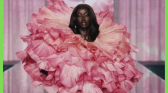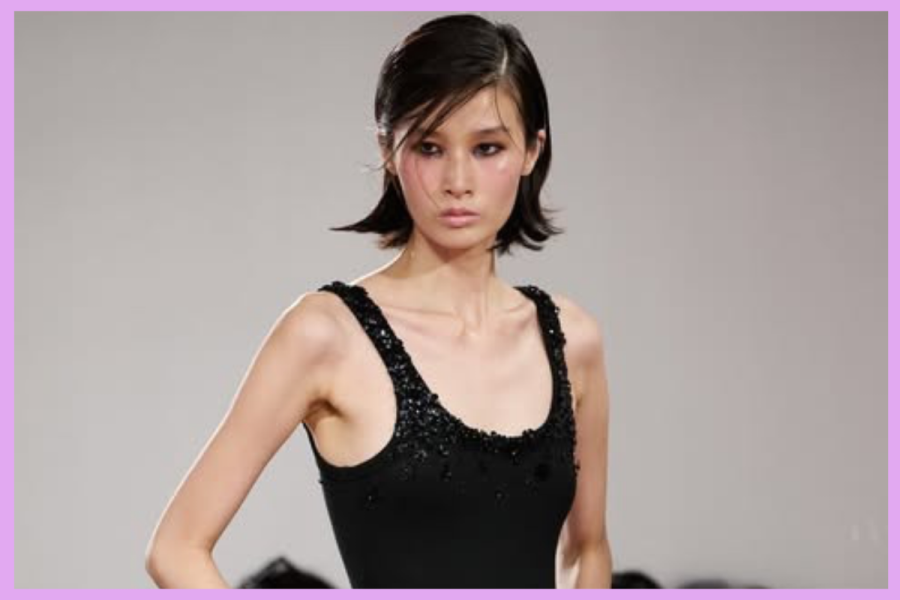
Shanghai Fashion Week's Spring/Summer 2027 season ran from 8 to 16 October, showcasing collections from Chinese designers and international labels. Among the standout looks were girly dresses, romantic prints and decorative details that brought fresh interpretations of feminine fashion.
Designers such as Shushu/Tong, Markgong, and Yangkehan explored this aesthetic through sculptural bows, delicate lace, layered ruffles, and nature-inspired prints. Their collections combined romantic details with personal stories, cultural references, and contemporary styling.
Shushu/Tong Explores Girlish Fashion
Shushu/Tong presented Darling Melancholy, a collection inspired by Jacques Demy's 1964 film The Umbrellas of Cherbourg. The Shanghai-based label captured the film's bittersweet mood with colourful designs, short girlish silhouettes, balloon skirts, and petal-shaped details. Candy-coloured fabrics, macramé lace, and beaded daisies added texture to the collection.
The collection featured sculptural pleated bows and sheer fabrics, complemented by sporty details that introduced a casual touch. This contrast preserved the label's feminine aesthetic without depending exclusively on traditional occasionwear.
Colourful umbrellas placed on seats reflected the film's influence, while box-shaped bags completed the looks. Together, these details gave the collection a playful, retro-inspired character.
Markgong Adds Drama to Romance
Markgong adopted a more emotionally charged approach with Til We're Us, the second chapter of its Urban Love story. The collection follows the fictional Gong Girl as she navigates infatuation, disappointment, and the process of letting go.
These emotions showed up in designs that combine lace, feathers, sequins, sheer tulle, and tiered ruffles. The collection also features leather, black fabrics, and leopard prints, creating a contrast between delicate embellishments and bold styling.
'Til We're Us is the second chapter of Markgong's Urban Love story. It explores the moment when the Gong Girl stops playing with ambiguity and instead surrenders to an all-consuming infatuation: her brain writes a love story, casts the wrong person, and refuses to cancel the show,' the designer told Hero magazine in an interview.
'The inspiration comes from the emotional loop of checking messages, searching for traces of him online, preparing for a date that may never happen, sending signals, and trying on a softer, more "girlish" version of herself.'

Yangkehan Draws on Nature
Designer Yangkehan drew inspiration from Yunnan's natural landscapes and cultural traditions. His collection featured prints of regional wildlife and plants, such as great hornbills, sunbirds, cloud leopards, ferns, and dahlias. Hand-drawn Eight Treasures emblems, associated with Yunnan's Naxi people, added further cultural depth.
Yangkehan expressed these influences through colourful designs, layered prints, and playful silhouettes. The collection also showcased various textile techniques, including gold foil stamping on silk, flocking, and etched printing on velvet, denim, and cotton velour.
Xu Zhi Mixes Vintage and Casual Styles
Chinese designer Xu Zhi Chen presented The Girls for his Xu Zhi label. The collection reimagined feminine fashion by pairing Victorian-inspired nightdresses, lace and vintage prints with distressed denim, biker jackets and military outerwear.
This pairing of delicate fabrics with heavier, more casual pieces gave vintage-inspired designs a more relaxed feel. It also showed that feminine elements can fit into everyday wardrobes.
Other Designers Expand the Line-Up
In addition to these labels, Shanghai Fashion Week showcased designers with diverse approaches to contemporary Chinese fashion. HEMU, for example, opened the event with a collection inspired by Dunhuang's cultural heritage, featuring traditional textiles and craftsmanship. Other Chinese labels on the schedule included XIAOLI, STAFFONLY, Comme Moi, and PRONOUNCE. These presentations highlighted the wide range of creative influences throughout the nine-day event.
The fashion week shows highlighted the diversity of China's contemporary fashion scene. Designers reinterpreted femininity through romantic details, cultural references, and experimental styling, demonstrating how lace, floral prints, and ruffles can be adapted for modern wardrobes.
Shanghai's independent fashion scene has also benefited from platforms such as Labelhood, which supports emerging designers through runway shows and retail opportunities. Co-founded by Tasha Liu, Labelhood connects new talent with broader audiences and gives designers space to develop their creative identities and bring their work to market.