While fashion trends often focus on new styles, a Taiwanese couple found a surprising way into the industry by reusing clothes that customers left at their family laundrette and never came back to collect. Their grandson turned these forgotten garments into a styling project that brought them international recognition.
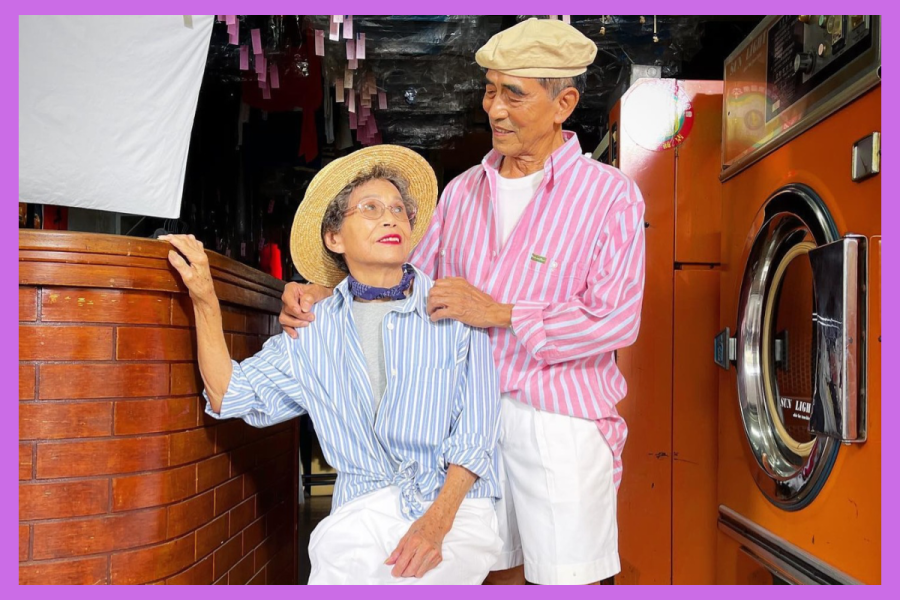
Chang Wan-ji, born in 1937, and Hsu Sho-er, born in 1936, who run a family laundrette in Taichung, Taiwan, first rose to social media fame in 2020. They modelled vintage items with hats, sunglasses, and modern streetwear to create distinctive looks that attracted global attention.
From Laundrette to Runway
The project began when their grandson, Reef Chang, noticed his grandparents had little to do at work during the Covid-19 pandemic. In June 2020, he launched the Instagram account @wantshowasyoung, styling outfits for them with unclaimed garments from the laundrette. According to CNN, the clothes had been left at the laundrette for over a year before Reef used them in the project.
The collection featured vintage-inspired ensembles and casual looks, such as Adidas tops and bucket hats. By photographing his grandparents in the laundrette's industrial setting, he gave the garments renewed purpose and context.
An Unexpected Fashion Hit
The account quickly received international coverage and attracted hundreds of thousands of followers. Taiwanese editions of Vogue and Marie Claire also featured the couple's photos, introducing their style to a wider audience.
However, Reef's goal extended beyond dressing his grandparents in unusual clothes. He aimed to provide them with an enjoyable activity during slow business periods and show that age is not a barrier to fashion experimentation.
This project also challenged traditional ideas about who can participate in fashion culture. Their age and the everyday workplace setting specifically distinguished this project.

When Fashion Reworks the Everyday
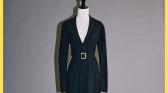
The use of overlooked materials in fashion has a long history. Belgian designer Martin Margiela, known for his experimental approach, built his reputation on deconstruction and reuse by transforming existing garments into new designs. His Spring/Summer 1991 collection included a jacket made from repurposed denim trousers, now part of the Metropolitan Museum of Art in New York.
Maison Martin Margiela Spring 1991 via Adrian Appiolaza pic.twitter.com/0fPthyvc9Z
— elena (@givemethecoins) October 12, 2026
British designer Phoebe Philo, Céline's creative director in 2013, explored a similar concept in that year's Autumn/Winter collection. She incorporated oversized checks inspired by plastic laundry bags into coats, wrap skirts, and tops. By incorporating this familiar household material into luxury fashion, she turned an everyday item into a distinctive design statement.
Although neither example replicates the Taiwanese couple's project, both demonstrate that fashion can challenge traditional ideas of value and originality. Rather than relying solely on new materials, these approaches illustrate how existing clothes and everyday objects can inspire and influence fashion.
Clothes With a Second Life
It is unclear whether the forgotten garments became the laundrette's property or not. Some jurisdictions permit businesses to dispose of unclaimed clothing after a specified period and following certain procedures, though rules vary by local law and circumstances.
Nevertheless, this project highlighted the potential of reusing clothes that might otherwise be forgotten. Instead of purchasing new pieces for each look, Reef used garments already available at the family business.
Through styling and photography, he showed how a fresh perspective can give overlooked clothing new life. The result ultimately blended personal history, resourcefulness, and fashion experimentation.
For Chang Wan-ji and Hsu Sho-er, the experience also fostered an unexpected connection with people worldwide. Their laundrette became the setting for a project that reached far beyond its original purpose.