A daughter is expected to quit her job, abandon her home and put her own life on hold to care for an ageing parent, while her brother carries on as normal and still receives half the inheritance.
That is the uncomfortable family dynamic at the heart of a Saturday Night Live sketch taking aim at the unequal burden of caring for elderly parents and the expectation that daughters will automatically become their parents' primary caregivers.
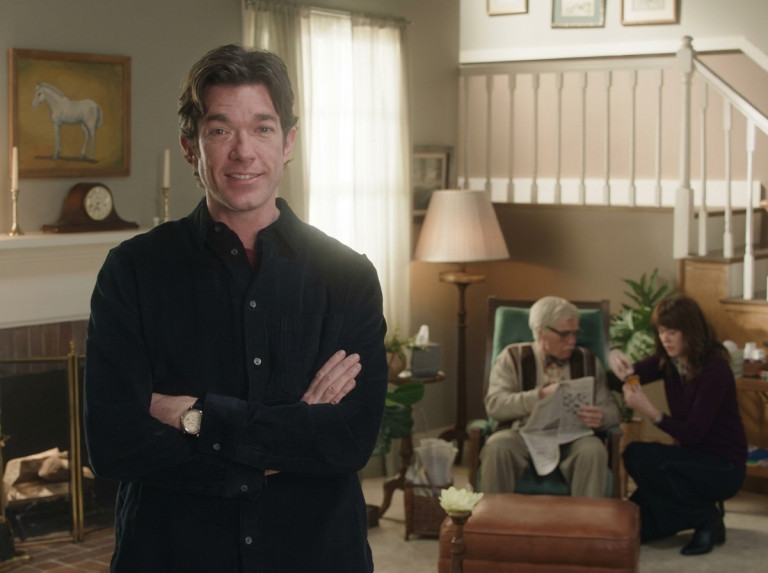
The pre-recorded segment, titled 'Sister', turns this familiar arrangement into a fake advertisement for a supposedly free, 24-hour care service. Its punchline is that the service is simply a sister who is expected to do everything, without pay, recognition or even basic consideration of whether she wants to take on the responsibility.
SNL Sketch Exposes the Unequal Burden of Elder Care
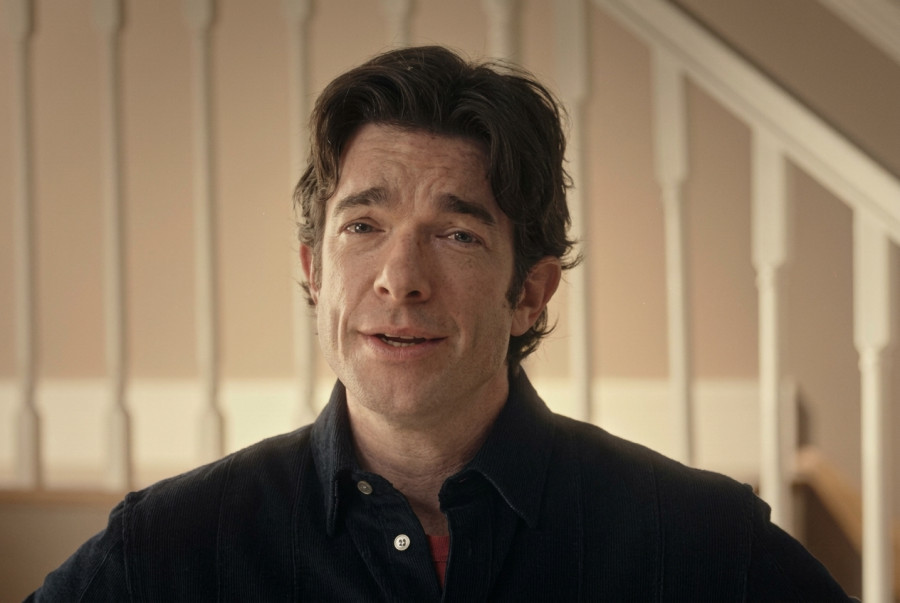
The sketch aired during the 14 November 2026 episode of SNL, hosted by John Mulaney, who appears as a man explaining how he found the perfect solution when his father began slowing down. Rather than pay thousands of dollars a week for a private healthcare assistant or consider a nursing home, he introduces 'Sister' as the answer to all his family's caregiving problems.
Jane Wickline plays the daughter expected to take on the work, while her brother enjoys the benefits of having someone else handle their father's needs. The fictional advertisement boasts that signing up requires no applications or insurance forms, with relatives simply needing to text 'Dad fell' before their sister supposedly quits her job, breaks her lease and moves halfway across the country.


The sketch directly points to 'years of internalised sexism' as the reason women are conditioned to believe that looking after ageing parents is their responsibility rather than an obligation shared equally among siblings. It makes the imbalance even more striking by showing the brother openly admitting that he does not want to help his mother in the bathroom, adding that his sister does not want to either, but she will do it while he will not.
The unequal arrangement extends beyond physical care, with the sister expected to manage medication, speak to doctors, contact insurance companies and deal with pharmacists. Her brother admits he no longer worries about their father's medication because she handles it, adding that he does not know whether she gets confused by the process because he has never bothered to ask.
Brother Keeps Inheritance As Sister Sacrifices Her Life
One of the sketch's sharpest jokes centres on the financial benefits of remaining uninvolved. The fictional advertisement reassures customers that using 'Sister' will not change their inheritance, meaning the brother will still receive 50 per cent of the family home despite leaving his sister to manage their father's daily needs.
The contrast becomes even more uncomfortable when the siblings disagree over their father's health. His daughter tries to stop him from eating salt because of his blood pressure, but her brother questions her decision and dismisses her as difficult, despite not being the person responsible for managing their father's care.
The sketch also highlights the emotional strain of caregiving, including having to endure hurtful comments from an ageing parent. The sister is expected to absorb criticism about her weight while continuing to organise appointments, manage medication and keep the household running.
The premise reflects a wider imbalance in family caregiving. A 2025 report by AARP and the National Alliance for Caregiving found that 63 million American adults provided care to adults or children with medical conditions or disabilities in the previous year, with women accounting for three in five family caregivers. Its findings also showed that women were more likely than men to take primary responsibility for hands-on care and coordination, as well as report emotional, physical and financial strain.
Ultimately, the sketch's most pointed question is not whether adult children should care for their ageing parents, but why one daughter is so often expected to sacrifice her own life while the rest of the family carries on as normal.