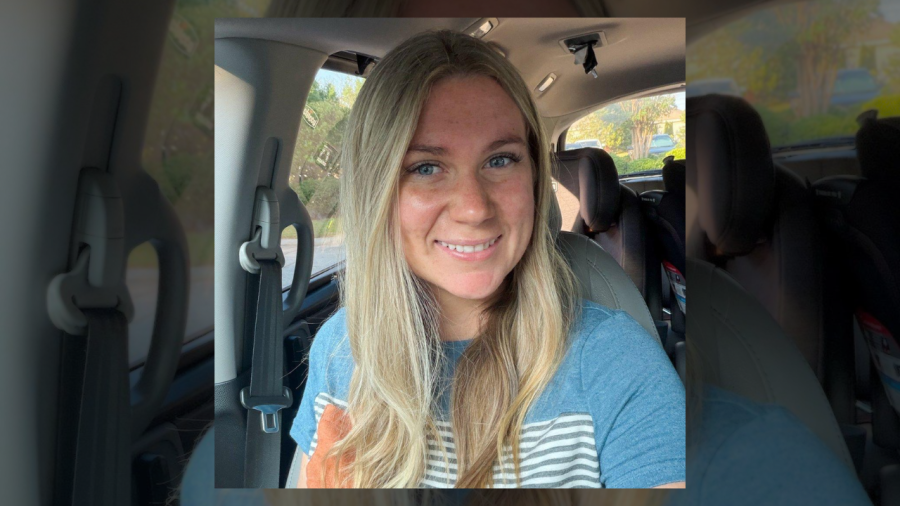
For Ashley Brown, learning that her pregnancy was no longer viable was only the beginning of a painful ordeal. The South Carolina mum claims doctors confirmed her miscarriage but still required her to return for repeated appointments before they could legally perform a D&C.
Sharing her experience online, Brown said hearing the words, 'We have to make sure it's really dead,' while grieving her loss made an already heartbreaking situation feel even more devastating.
Pregnancy Was Declared Nonviable
Brown, a content creator known online as 'ashley_livinginchaos', first revealed on 9 June that she was experiencing her sixth miscarriage. She explained that a six week scan, together with blood tests and an ultrasound, confirmed her pregnancy was medically nonviable. Despite the diagnosis, Brown said she was informed that she would need to attend two more appointments and undergo counselling before her doctor could legally perform a dilation and curettage, commonly known as a D&C.
The procedure removes tissue from the uterus after a miscarriage or, in some cases, during surgical abortions. Although frustrated, Brown acknowledged that the rules exist because some pregnancies can appear earlier than expected on a scan. However, she insisted her own case was different because doctors had already confirmed there was no possibility the pregnancy could continue.
The Words She Says She Cannot Forget
In a follow up video posted days later, Brown documented another visit to her medical centre, where she described the emotional toll of the waiting period. 'My baby died in me almost two weeks ago, but we have to make sure it's really dead two more times before they'll help me remove it because my body's not doing that by itself,' she said.
Brown added that she still felt pregnant despite knowing there was no chance of the pregnancy surviving. She described the experience as cruel, saying it was heartbreaking to continue living with pregnancy symptoms while mourning a baby she had already lost.
An Appointment That Made The Grief Worse
One of the moments Brown said affected her most happened when she returned for what she expected would be another medical review. Instead, she was handed routine prenatal paperwork as though she were attending a standard pregnancy appointment.
Brown said filling out forms meant for expectant mothers while knowing her baby had died was 'extra traumatizing'. In another emotional post, she admitted she felt caught between anger, grief and dark humour as she tried to process everything happening around her. She wrote that the situation simply felt 'all so wrong'.
Her Growing Health Fears
Brown also claimed the delay in treatment had left her increasingly concerned about her own health. She said she feared she could develop sepsis because her body had not naturally completed the miscarriage.
She described herself as being in a difficult position because she was technically more than six weeks pregnant, yet there was no heartbeat and the pregnancy had already been declared nonviable. As a result, Brown said she had started looking into travelling out of state to receive a D&C sooner.
The Law Behind The Delay
South Carolina introduced a six week abortion ban in 2023 following the US Supreme Court's decision to overturn Roe v Wade in 2022. The law includes exceptions for rape, incest, medical emergencies that threaten the mother's life and fatal fetal abnormalities. Brown believes her situation has placed her in what she called a 'gray area', where she says legal requirements have delayed her miscarriage care despite doctors confirming the pregnancy was no longer viable.
Her videos have since attracted widespread attention online, with many viewers expressing sympathy for her experience while others debated how miscarriage care is affected by abortion laws. Brown hopes that by sharing her story, more attention will be given to women who say they face additional emotional and medical challenges after losing a pregnancy.