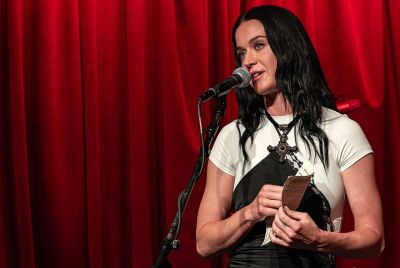
Sydney Sweeney's fan selfie has taken an uncomfortable turn after a social media user shared a photograph with the actress alongside the pointed caption: 'Just met Sydney Sweeney and got to show her what a real woman looks like'.
The remark appeared to draw an unflattering comparison between the Euphoria star and the person pictured with her, turning an ordinary fan encounter into a statement about women's bodies and femininity. There is no indication that Sweeney heard the comment or has seen the post, but its wording has reignited discussion about the scrutiny surrounding her appearance.
The incident comes weeks after the actress faced criticism over a controversial Christmas campaign for her lingerie brand, SYRN, which featured scenes inspired by popular children's films. Alongside another contentious advertising campaign earlier this year, the latest incident highlights how frequently Sweeney's appearance becomes a subject of public discussion.
Sydney Sweeney's Controversial Ad Campaigns
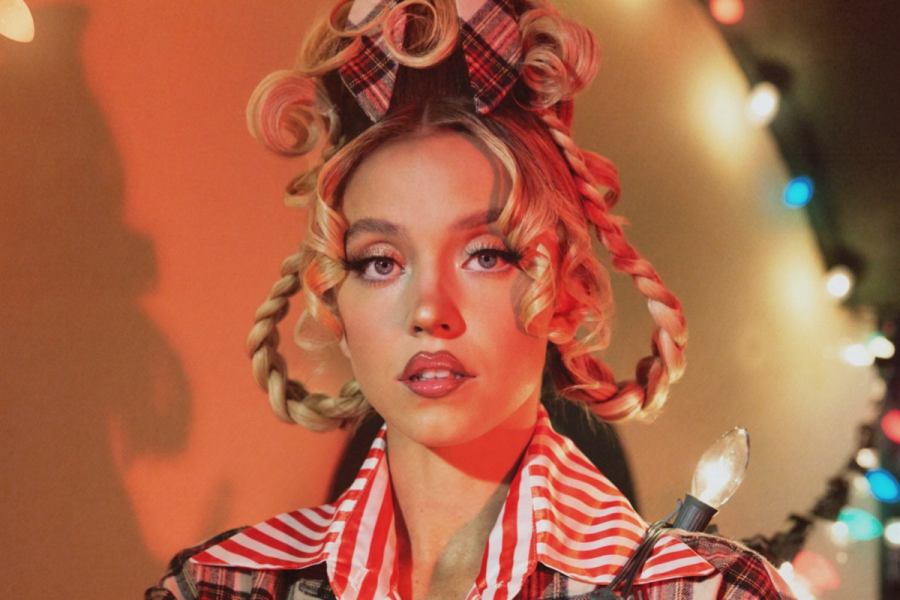
In October 2026, Sweeney attracted criticism over a festive advertising campaign for SYRN, her lingerie and sleepwear brand. The promotional video featured the actress recreating scenes inspired by Home Alone and How the Grinch Stole Christmas, including a portrayal of Cindy Lou Who, the young character from the latter film.
Some viewers accused the campaign of sexualising childhood characters because of their association with an adult lingerie brand. However, Sweeney wore character-inspired pyjamas in the Cindy Lou Who sequence rather than the more revealing lingerie featured elsewhere in the advertisement, a distinction that became part of the wider discussion.
The campaign divided opinion, with critics questioning the marketing concept while supporters argued that the character-inspired scenes were separate from the adult underwear promotion. Nevertheless, the disagreement placed Sweeney's presentation of femininity and sexuality under renewed scrutiny, adding to the attention surrounding her commercial image.


It followed another controversial campaign in September 2026 for sports prediction platform Novig, which featured Sweeney posing with sporting equipment while wearing little or no clothing. Female athletes, including four-time Olympic gold medallist Ariarne Titmus and British sprinter Amy Hunt, criticised the advertisement for sexualising women in sport.
Hunt addressed the actress directly after competing at the World Athletics Ultimate Championship in Budapest, saying: 'Sydney Sweeney, this is what women in sport look like'. Titmus also questioned the continued monetisation and sexualisation of women's bodies, arguing that the advertisement undermined the dedication and achievements of female athletes.
Sydney Sweeney on Scrutiny Over Her Body
The Facebook caption is particularly striking given Sweeney's previous comments about the public's fascination with her appearance. In a March 2024 interview, the actress discussed how uncomfortable it could be to have strangers constantly commenting on her body, despite having little control over how they interpreted her image.
'I see it, and I just can't allow myself to have a reaction', she admitted. She explained that people appeared to believe her status as an actress meant they were entitled to discuss her however they pleased, regardless of how their remarks might affect her.
'People feel connected and free to be able to speak about me in whatever way they want, because they believe I've signed my life away', she said. Sweeney added that people sometimes treated her as though she were 'not on a human level anymore, because I'm an actor'.
She also described the situation as a 'weird relationship' over which she had 'no control or say'. Her comments highlighted the uncomfortable distinction between being a public figure and becoming someone whose appearance is treated as open to constant public judgement.
While Sweeney has not publicly addressed the latest Facebook post, the caption raises familiar questions about why women's bodies are so often compared against someone else's idea of femininity. What could have remained an ordinary fan photograph has instead become an apparent statement about what someone believes a 'real woman' should look like.