
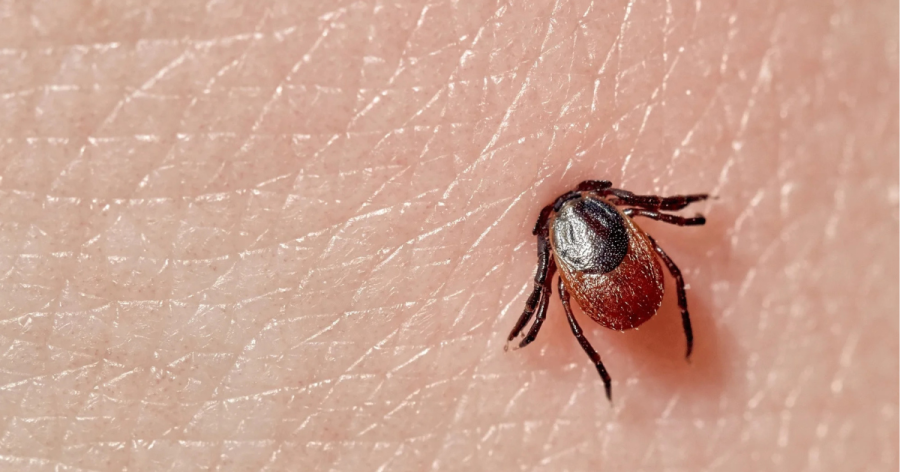
A seemingly ordinary tick bite can, in rare cases, change a person's relationship with food forever. For one man in the United States, what began as a routine outdoor encounter has resulted in a severe and life-altering allergy that now prevents him from eating meat or consuming many animal-derived products.
His experience is part of a growing number of cases linked to alpha-gal syndrome, a little-known but increasingly recognised condition affecting an estimated 450,000 people in the US. Triggered by bites from certain species of ticks, the syndrome can cause the immune system to react negatively to a carbohydrate found in red meat and other mammalian products, leading to painful and sometimes dangerous allergic reactions.
A Bite That Changed Everything
Alpha-gal syndrome is caused by a reaction to alpha-gal, a sugar molecule found in most mammals. When a tick carrying alpha-gal bites a human, it can introduce the molecule into the bloodstream, prompting the immune system to mistakenly identify it as a threat. Over time, this can lead to the development of a delayed but serious allergy to foods such as beef, pork, lamb, and even products derived from mammals.
For those affected, the condition can be both confusing and distressing, particularly because symptoms do not always appear immediately after eating. Reactions may occur several hours later, making it difficult to identify the cause at first.
One patient described the sudden impact of the syndrome on daily life, saying: 'Look at my face and my neck. I can't eat meat anymore. I can't have any animal products. It's in everything.'
Why It's Called Alpha-Gal
The name alpha-gal comes from the specific sugar molecule at the centre of the condition: galactose-α-1,3-galactose, more commonly shortened to alpha-gal. This carbohydrate is found in most mammals, including cows, pigs and sheep, but it is not naturally present in humans or other primates.
Because the human immune system does not recognise alpha-gal as a normal substance in the body, it can mistakenly treat it as a harmful invader once it has been introduced through a tick bite. This immune response is what triggers allergic reactions when affected individuals later consume red meat or other mammal-derived products.
In simple terms, alpha-gal syndrome is named directly after the molecule that causes the allergic reaction, making it both a scientific label and a reference to the biological trigger behind the illness.
From Outdoor Activity to Lifelong Dietary Restriction
Many cases of alpha-gal syndrome are linked to exposure to ticks in rural or wooded areas, where people may be bitten without noticing. Outdoor workers, hikers and hunters are often considered at higher risk, although anyone in tick-prone regions can be affected.
Once the allergy develops, it can lead to significant lifestyle changes. In addition to avoiding obvious sources of red meat, sufferers may also need to carefully check food labels for hidden animal-derived ingredients, including gelatin, certain dairy components and additives used in processed foods.
The unpredictability of reactions can make the condition particularly difficult to manage. Unlike more common food allergies, symptoms of alpha-gal syndrome may include hives, stomach pain, nausea, difficulty breathing and, in severe cases, anaphylaxis, a potentially life-threatening allergic response.
A Growing But Under-Recognised Condition
Although still considered relatively rare globally, alpha-gal syndrome has seen increasing recognition in recent years, particularly in parts of the United States where tick populations are rising. Public health experts believe greater awareness is needed, especially as climate and environmental changes expand the habitats of tick species linked to the condition.
Medical professionals continue to study why only some people develop the allergy after a tick bite, while others do not. Research suggests that genetic factors, frequency of exposure and immune system response may all play a role, but no single cause has been definitively identified.
Diagnosis can also be challenging. Because symptoms are delayed and often mimic other allergic conditions, patients may spend months or even years undergoing tests before receiving an accurate diagnosis.
Living With a Restricted Diet
For those diagnosed, managing alpha-gal syndrome requires strict dietary adjustments and constant vigilance. Many sufferers adopt plant-based or highly restricted diets to avoid accidental exposure to mammalian products.
Beyond food, the allergy can extend into unexpected areas of daily life. Certain medications, cosmetics and medical products may contain animal-derived ingredients, meaning patients often need to consult healthcare providers before undergoing treatment or procedures.
Despite these challenges, some individuals report that symptoms can lessen over time if no further tick bites occur, although this is not guaranteed. For many, the condition remains a long-term health concern requiring ongoing management.
Awareness and Prevention
Experts stress that prevention remains the most effective defence against alpha-gal syndrome. This includes using insect repellent, wearing protective clothing in wooded areas, checking for ticks after outdoor activity and removing ticks promptly if found.
Public health campaigns in affected regions continue to encourage awareness, particularly as cases appear to be increasing. Early recognition of symptoms can help prevent misdiagnosis and reduce the risk of severe allergic reactions.
A Life Permanently Changed
For those living with alpha-gal syndrome, the condition represents more than just a dietary restriction, it is a fundamental shift in everyday life. Meals, social occasions and even routine medical decisions can all require careful planning and consideration.
As research continues, patients and doctors alike hope for a clearer understanding of the condition and, ultimately, more effective treatments. For now, however, awareness remains the most powerful tool in managing a syndrome that can turn a single tick bite into a lifelong health challenge.