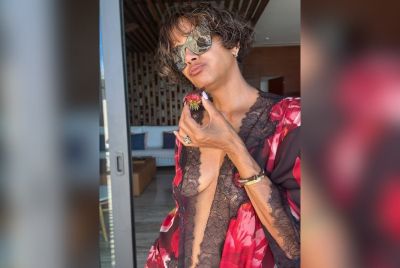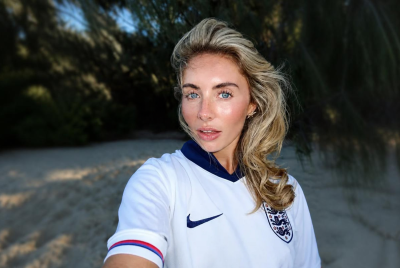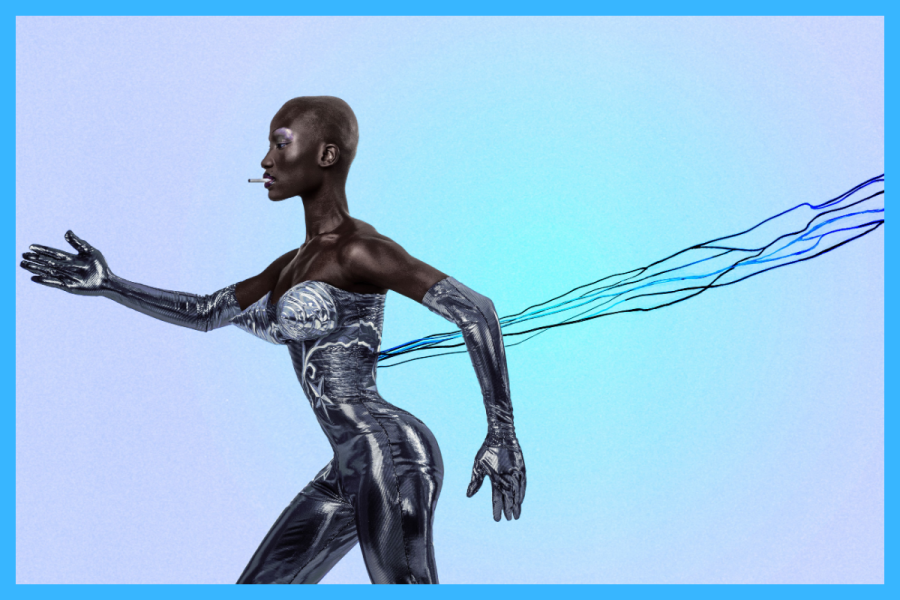
Fashion fans are discovering that some of the polished outfit videos filling their social media feeds are not quite what they seem.
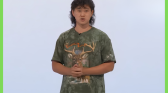
A recent viral trend shows people standing under a spinning ceiling fan, with each blade transition revealing a new outfit. However, some of these videos are created or altered with artificial intelligence rather than filmed as genuine outfit changes.
The discovery has prompted viewers to question how much online fashion content is filmed versus generated.
Slow-fashion creator Lottie Lashley recently addressed the trend on TikTok, warning that AI-generated clips make it more difficult to distinguish authentic styling inspiration from manipulated imagery.
Lashley described the trend as widespread and noted that many highly polished outfit videos are AI-generated or altered. This distinction has surprised viewers who believed they were watching traditional fashion content.
@lottielashley This grim ai fashion trend is EVERYWHERE 🤢 #fastfashionsucks #2026trend #latesttrend #fashiontrend #fantrend
♬ original sound - Lottie🐞
Viewers Feel Duped
Several viewers commented on Lashley's post after discovering that some videos they watched were AI-generated.
One viewer wrote, 'It was AI!?!?! Wth, I'm getting duped every day'. Another commented, 'I'm so sad about this, as I saw a great "how to" create this video manually! Didn't realise the other ones were AI'.
A third viewer responding to Lashley's TikTok summed up the frustration, 'AI is killing art'.
These responses highlight how technology can confuse the distinction between genuine fashion demonstrations and AI-generated visuals, particularly when disclosure is limited.
'AI Is Killing Art'
This reaction reflects wider concerns about AI's impact on human creativity in visual industries.
In February 2025, more than 3,000 people signed an open letter calling on Christie's – a British art and luxury auction house – to cancel an auction dedicated to AI-generated art.
Critics argued that some AI systems were trained on copyrighted material without artists' consent or compensation. Christie's defended the artists involved, saying the works used AI to enhance their existing practices.
The fashion industry faces similar questions about whether AI should support creativity or replace aspects of production.


Fashion Brands' Adoption of AI
The trend extends beyond social media influencers, as major fashion brands now experiment with AI-generated models, imagery, and campaigns.
In February 2026, Gucci attracted attention by posting AI-generated promotional images for its Milan fashion show. According to Vogue, the visuals resembled high-production editorials until Gucci disclosed their AI origin.
Gucci is the latest luxury brand to embrace AI. What’s interesting is this is a rehashing of a concept Demna did at Balenciaga but with a physical execution. pic.twitter.com/QQ4r4NRlbS
— Louis Pisano (@LouisPisano) December 5, 2025
In 2025, Guess received criticism after an advertisement featuring an AI-generated model appeared in Vogue, leading to online backlash as viewers questioned the use of this technology.
Other brands have taken a more transparent approach to using this technology.
H&M announced plans in 2025 to create AI-generated 'digital twins' of models, while Mango, Coach, Moncler, Revolve, and others also began exploring AI for fashion imagery and campaigns.
Challenges in AI Disclosure
As AI adoption increases, concerns about transparency and potential backlash in fashion campaigns are also rising.
However, Vogue reported in 2025 that fashion brands received varied responses to their AI campaigns. Some faced backlash, while others received positive feedback, depending on how they used and presented the technology.
Lashley observed that some creators use hashtags to disclose AI involvement, making it clear to viewers.
Clear disclosure is important because visual effects alone do not indicate AI involvement. Since transitions can be created manually, viewers cannot reliably identify the technology used by watching the final clip.
For viewers, the issue ultimately comes down to honesty, disclosure, and maintaining trust in online content, whether they see a real outfit, a digitally altered image, or a fully generated version.