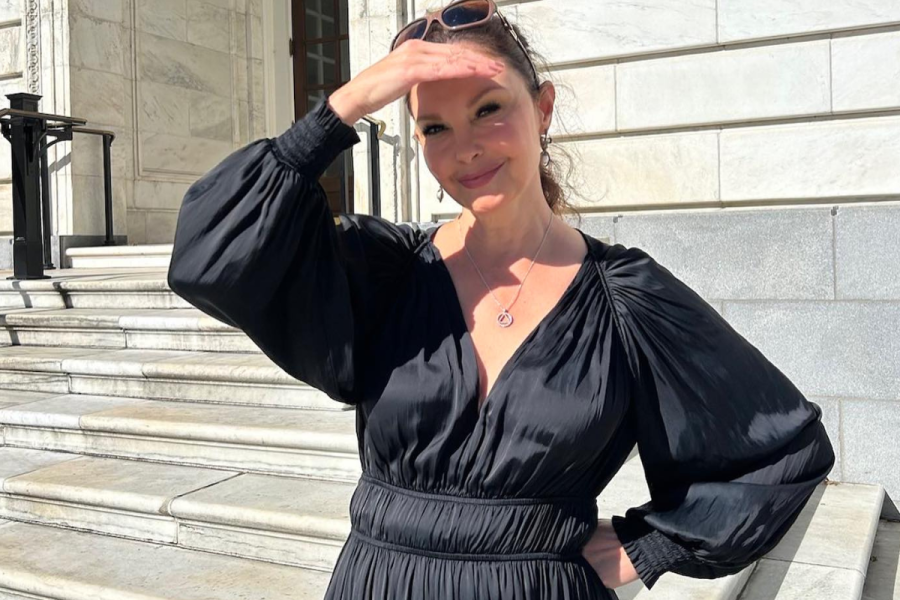
Ashley Judd has urged people to confront the silence that allows male violence to continue, arguing that responsibility does not rest solely with perpetrators. The actor and activist says communities must challenge behaviour that excuses or dismisses harm against women.
Speaking at a public event in Chicago on 1 October 2026, Judd used the phrase 'It takes a village to raise a rapist' to argue that sexual violence is enabled by wider social attitudes. She attributed it to educator Dr Jackson Katz, whose work treats violence against women as a men's issue.
Ashley Judd Challenges Society's Silence
Judd spoke about her own experience of sexual violence and recovery, urging people to look beyond individual cases and examine the conditions that allow abuse to happen. 'Not all men are violent. Most men are silent about other men's violence', she said.
Her point was that people who witness misogyny or abuse can challenge it. TIME reported that Judd criticised the entitlement some men feel towards women's bodies. Those who encourage such attitudes, or remain silent when they see abuse, help sustain the problem, she argued.
The phrase is associated with Katz, co-founder of Mentors in Violence Prevention and author of Every Man: Why Violence Against Women Is a Men's Issue. He advocates for men to challenge sexist behaviour among friends, teammates and colleagues.


Why Bystanders Must Become 'Upstanders'
Judd called on people to intervene when they encounter behaviour that degrades or threatens women. She urged men in particular to speak up among their peers, even when doing so could affect their standing.
'Are you willing to risk your comfort, your reputations, and your standing — especially with other men — to confront violence and hold men accountable?' she asked. She urged witnesses to become 'upstanders', people who take action rather than remain passive observers.
'There's no such thing as a non-complicit bystander because if you really want to support survivors, you become an upstander', Judd said, according to a media outlet.
That does not mean putting oneself in danger. Katz's approach focuses on challenging harmful conduct in familiar settings, including workplaces, schools and sports teams. It can mean refusing degrading jokes, questioning coercive behaviour or seeking help.
Judd Speaks About the Cost of Healing
Judd described recovery from sexual violence as demanding and unequal. She said healing required emotional, spiritual and financial resources, while acknowledging her good fortune in having time and support.
'I have spent decades doing the tender and hard work of recovery', she said. She described reaching a point where she could live with a sense of freedom, but stressed that survivors should not have to carry the burden of preventing further abuse.
'There would be no need to centre survivors if men stopped raping and assaulting us', she said. Her comments distinguish supporting people after violence from preventing violence in the first place. Both matter, but sympathy alone cannot replace accountability or action.
A Wider Call for Accountability
The TIME Impact Dinner was presented by The Allstate Foundation and brought together advocates supporting survivors. Speakers included photojournalist Donna Ferrato, author Tommi Vincent and her husband, NFL executive Troy Vincent.
Judd focused on what communities can do before abuse occurs. Her challenge was directed at everyday settings, where harmful attitudes can become normalised and speaking out may feel uncomfortable.
The message is not simply to condemn violence after it makes headlines. It is to recognise the excuses, silences and dismissals that can protect abusive behaviour—and challenge them. For Judd, supporting survivors means holding perpetrators accountable and changing the culture that allows harm to continue.