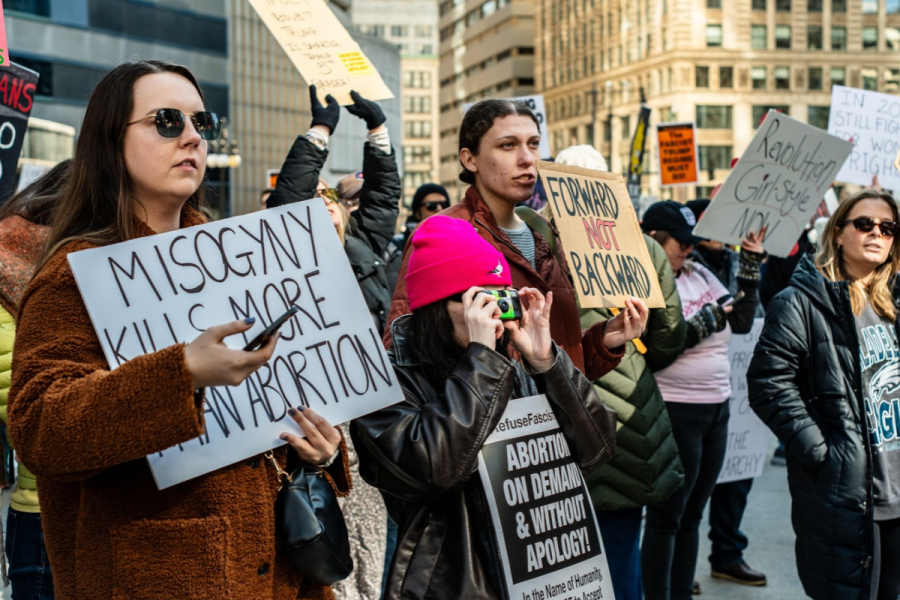
Online influencers who make money from hostility towards women should face the same kind of public health scrutiny as the tobacco industry, according to two researchers writing in The Lancet on Friday, 30 October 2026. Professors Sarah Hawkes and Kent Buse warned that the growing manosphere is harming women and girls while drawing boys into online communities that promote resentment towards feminism.
The researchers want governments to hold social media companies accountable for promoting harmful content, particularly when outrage generates views and revenue. Their warning comes as Britain commits £15 million to preventing misogyny, although the funding does not include new restrictions on social media platforms.
Why Are Experts Comparing Online Misogyny to Smoking?
The manosphere includes influencers, forums and online communities built around male grievances, dating frustrations and anti-feminist views. Some creators have turned these frustrations into profitable businesses, selling courses, products and advice to young men seeking confidence or relationships. Buse, a co-founder of gender equality think tank Global 50/50, said: 'This is a business model, not a fringe.'
Some corners of the manosphere also overlap with 'looksmaxxing', an online trend focused on improving physical attractiveness through strict beauty standards and appearance-related advice. Content can range from gym routines and skincare to cosmetic procedures and extreme body modification. Influencers sometimes use these insecurities to promote supplements, paid programmes and other products promising better looks or higher social status.
Hawkes and Buse argue that the financial incentives behind misogynistic content deserve the same attention once given to tobacco advertising. They want social media companies to face greater scrutiny over algorithms that recommend harmful posts, especially to younger users. Their proposals include tougher moderation and promoting healthier conversations about masculinity rather than leaving teenagers to navigate these spaces alone.


Women and Girls Face Harms Beyond the Screen
The researchers warn that repeated exposure to misogynistic messages can make hostility towards women seem acceptable, particularly among boys still forming their views about relationships. UK communications regulator Ofcom has also identified online harassment, stalking and image-based sexual abuse as serious threats affecting women and girls. Boys can encounter content that glorifies abuse or presents women as responsible for men's personal frustrations.
A University of Bristol-led review published on 23 September 2026 examined six longitudinal studies involving 7,379 participants. Researchers found preliminary links between certain forms of online sexual content or harassment and mental health outcomes among girls and young women. However, they said more research was needed to understand the longer-term effects of everyday exposure to misogynistic posts.
Britain Invests £15 Million in Prevention
Hawkes and Buse believe loneliness, financial insecurity and difficulties in education can leave young men more vulnerable to influencers offering someone to blame. Hawkes, also a co-founder of Global 50/50, urged policymakers to give boys healthier alternatives instead of simply condemning their online behaviour. 'We need to offer boys something better, not just tell them what to avoid,' she said.
Tackling violence against women and girls means tackling the misogyny that underpins it.
— Alex Norris MP (@AlexJJNorris) October 28, 2026
That's why we're investing £15m in practical action across our communities, from mentoring for young people to workplace training and campaigns that help improve women and girls' safety. https://t.co/b5eHfdUSfa
The researchers want improved mental health support, employment opportunities and community programmes that help young men develop a sense of belonging. Meanwhile, Britain's £15 million misogyny prevention fund, announced on Tuesday, 27 October, will support initiatives over three years, potentially including mentoring, workplace training and public awareness campaigns. The government is also seeking private contributions to increase the funding available.
The money will support prevention efforts rather than introduce new rules for social media companies. Ofcom is separately gathering evidence until 4 November on how platforms are protecting women and girls online and whether existing safety measures are making a difference. For Hawkes and Buse, tackling misogyny also means confronting the influencers and online platforms making money from it.