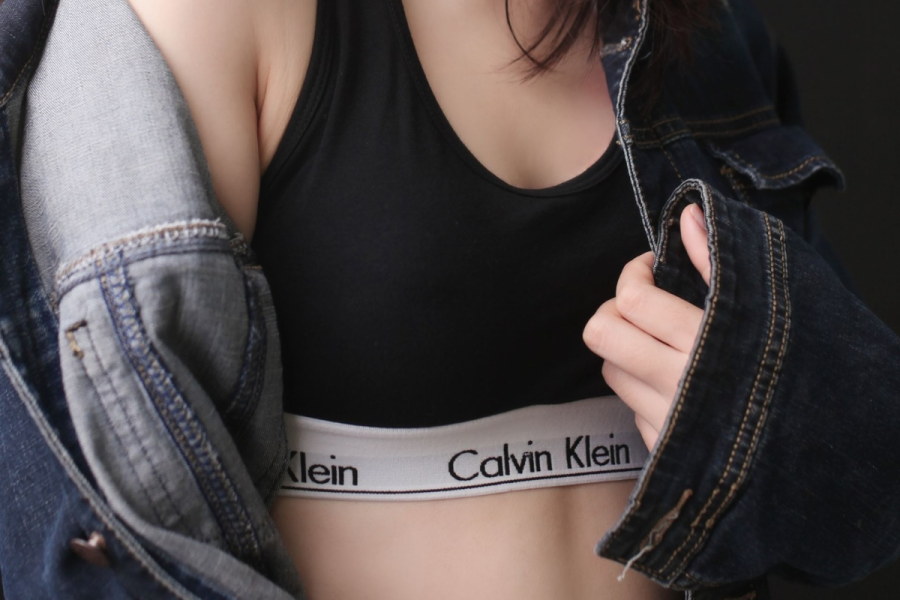
A draft Calvin Klein contract sought permission to use photographs of models' bodies to train artificial intelligence without extra pay, according to an investigation published by Reuters on Tuesday, 27 October 2026. The proposed agreement would allow the US fashion label to use images described as reasonably unrecognisable to train AI tools to learn general modelling characteristics.
The investigation examined more than a dozen confidential fashion contracts and included interviews with 15 modelling agency directors. The disclosure comes as fashion brands turn to synthetic imagery to reduce the cost of campaigns and online shopping photography.
Calvin Klein's Proposed AI Clause
The proposed clause specified that images used for AI training should be 'reasonably unrecognisable', excluding identifying features such as a model's face, scars and tattoos. It sought permission to use the remaining images 'to train and fine tune AI tools for learning general model attributes', with no payment beyond the original arrangement. The wording concerns AI training, rather than permission to make a recognisable digital clone of the person.
A Calvin Klein spokesperson said the brand was 'testing and learning in this fast-moving space'. The company added that its use of AI was guided by regulations, industry standards and respect for models' rights. The brand did not confirm that it had trained AI on images covered by the draft agreement.
The wider investigation uncovered different requests by other businesses. Diesel's casting paperwork sought consent to alter body proportions, exchange faces between participating models and place a model's face on another person's body. Its parent company, OTB, said the document was created for a particular campaign and did not reflect its usual agreements.


Fashion's AI Push Is Changing the Photo Shoot
For retailers, AI can produce new clothing images without repeating every stage of a conventional photoshoot. Zalando said in August that its SCAYLE STUDIOS platform could reduce fashion content production costs by around 90% and shorten production time by more than 95%. The company said more than 100 brands had adopted the service within two and a half months of its launch.
And Fashion Nova is using AI models for their clothing…. https://t.co/ALBuOMXfKz pic.twitter.com/QaDcDs1b9X
— Merla ✮ (@chanelsuiii16) June 19, 2025
Those savings have implications for the people normally hired to make product images, from models to photographers and stylists. London-based model Adot Gak, who has worked with Balmain and H&M, warned that online retail bookings could shrink as AI imagery spreads. The concern is especially acute for commercial models who rely on frequent ecommerce shoots rather than occasional runway appearances.
The British Fashion Model Agents Association estimates the modelling industry contributes £150 million to the UK economy. Its 'My Face Is My Own' petition carried 2,348 signatures, and the organisation says it represents more than 5,000 models. It argues that companies should not obtain, alter or control models' data without consent and agreed safeguards.
Who Controls a Model's AI Likeness?
New York's Fashion Workers Act, effective from 19 June 2025, requires separate, explicit written consent before a client creates or uses a model's digital replica. State guidance says that approval must specify the purpose, scope, rate of pay and duration of the use. The law distinguishes replicas that recreate someone's appearance from ordinary photographic retouching.
The Calvin Klein clause instead concerned AI training using images intended to be unrecognisable, so the draft alone does not establish a breach of those replica rules. Its no-extra-pay provision extends the potential uses of a modelling shoot beyond the photographs originally commissioned. Meanwhile, the British Fashion Model Agents Association has proposed an AI code under which models would own any digital twins created from their likenesses.