OnlyFans creators are calling out Meta for allowing its Muse artificial intelligence agent to sext adult users while restricting the Instagram accounts of real performers. The criticism surfaced in interviews published on Sunday, 18 October, after Meta confirmed that explicit text conversations were permitted in its adults-only AI app.
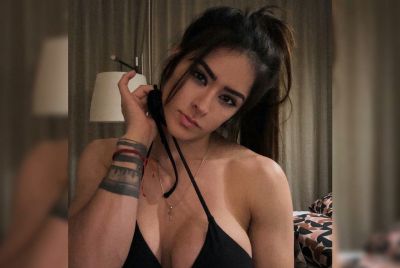
New York-based OnlyFans creator Vanniall said her Instagram account, with more than 100,000 followers, was restricted and could not be viewed without logging in. She also described struggling to remove hyperrealistic AI deepfakes impersonating her, even as her own profile faced moderation.
Launched in the United States on 8 September, Muse is marketed as an AI assistant for managing emails, calendars and everyday tasks. Its ability to produce sexually explicit messages has prompted performers to question why Meta applies more restrictive standards to their public-facing social media accounts.
Why Are OnlyFans Creators Angry With Meta?
Vanniall accused the company of profiting from an AI service capable of sexual conversations while restricting adult creators' expression. She criticised Meta because 'they won't let real people, real adults, engage in any sort of sensuality or sexuality'. She said appeals and account reports were a recurring part of using Instagram.
For performers, Instagram visibility can lead prospective subscribers to their work elsewhere. The platform's rules restrict nudity and sexual solicitation, while its recommendation guidelines can limit the reach of some sexually suggestive posts without removing them. This leaves creators navigating both takedowns and restrictions on how widely their content is shown.
Jiz Lee, a queer adult performer and editor of the anthology Coming Out Like a Porn Star, said Instagram had flagged their posts for removal. Lee also raised concerns about how moderation affects queer and transgender users. They questioned whether creators' material had been used to train AI and, if so, whether those responsible had been compensated.


Meta Defends Muse's Adult-Only Conversations
Meta spokesperson Tracy Clayton said private conversations between adults and an AI agent on an age-restricted app were different from promoting services on social media. In an earlier statement on 12 October, Meta spokesperson Daniel Roberts said Muse 'doesn't block legal adult behaviour'. Meta has not publicly outlined plans for a comparable adults-only Instagram space for performers.
Muse can connect to services such as email and calendars to carry out tasks for users, with Meta saying individuals control those permissions. Its published privacy information also says users can opt out of having Muse conversations used to train AI models. Reports documenting the sexting feature involved explicit text rather than sexual images or videos.
Meta Muse vs Grok Bot app privacy pic.twitter.com/DbkDPFmBYj
— mr fundman (@mrfundman) October 15, 2026
Meta has previously faced scrutiny over how its rules are enforced. On 17 January 2023, the independent Oversight Board overturned Meta's original decisions to remove two Instagram posts featuring transgender and non-binary people, which the company had already restored after the board accepted the cases. The case concerned sexual solicitation policies, not OnlyFans or Muse, but demonstrated how moderation decisions can affect legitimate expression.
Creators Fear AI Could Replace Real Performers
OnlyFans creator and adult film performer Tony Genius said he was on his seventh Instagram account in five years. He questioned why an adults-only AI app was possible while a similar space for human performers remained unavailable. He jokingly suggested the name 'Instacam'.
Muse AI. Wants to shop online for you while sexting. Apparently. pic.twitter.com/Ruqcs3Gfsl
— beyondcontent (@beyondcontent) October 20, 2026
Genius worried that entirely AI-generated adult content might one day displace performers, although he would consider collaborations that let creators benefit from AI versions of themselves. Lee wants more transparency about training data, while Vanniall is reluctant to share more personal information with Meta. Together, their objections raise questions about who controls online visibility, identity and income as AI enters adult entertainment.