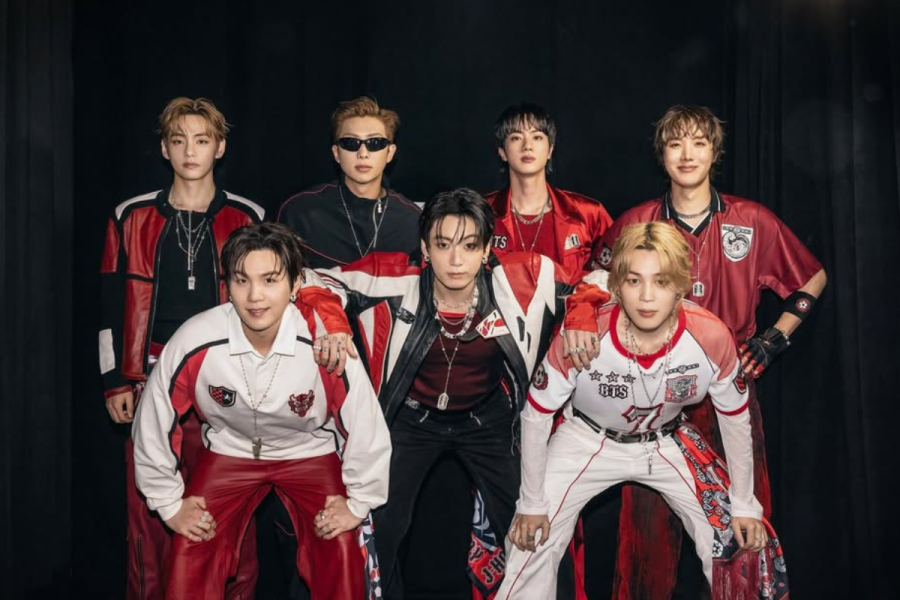
BTS has delivered a significant blow to the Recording Academy by rejecting its Grammy nomination through a single Instagram story. Days after closing out the European leg of their Arirang tour and headlining the FIFA World Cup 2026 Final Halftime Show alongside Madonna, Shakira and Justin Bieber, RM, Jin, Suga, J-Hope, Jimin, V and Jungkook simultaneously posted an identical statement announcing they will not submit their comeback album for 2027 Grammy consideration.
The withdrawal torched a month of Academy messaging about its brand-new Best Asian Pop category and sent Grammy CEO Harvey Mason Jr. scrambling to contain the fallout with a damage-control statement. He expressed that he was saddened but respected the decision.
The Pushback Against 'Best Asian Pop'
The Recording Academy introduced 'Best Asian Pop Music Performance' a month ago, framing it as a spotlight on K-pop, J-pop, and C-pop artists finally receiving dedicated recognition.
The category folds three distinct national industries, each with its own charts, language, and fanbase, into a single regional bucket, treating an entire continent's pop output as a single genre. BTS saw it differently. Their statement, translated from Korean, said they hoped music could be heard and loved for what it is rather than divided by region or language.
Mason tried to head off the backlash directly. 'The Asian Pop category was created to celebrate the depth, diversity and extraordinary growth of pop artistry coming out of Asia,' he said in a statement. 'It's never to divide, but to expand who is recognised by our 15,000 Grammy voters.'
He went further, insisting genre categories and the General Field are not mutually exclusive, and that 'an artist can absolutely pursue both.'
BTS has tested that claim before. The group has racked up five Grammy nominations, and only one technically touched the General Field, a featured-artist credit on Coldplay's Music of the Spheres for Album of the Year. However, none of the five nominations resulted in a win.
Historical Precedents at the Grammys
As noted by GoldDerby, R&B and rap artists have voiced their concerns for years that genre categories such as 'Urban Contemporary' serve less as a celebration and more as a way to sideline Black artists, keeping them out of the main Pop and Record categories.
Tyler, the Creator made that case bluntly after winning 'Best Rap Album' in 2020, telling reporters backstage that the word 'urban' was 'just a politically correct way to say the n-word' and asking why artists who looked like him couldn't simply compete in pop. Latin categories drew similar criticism.
Best Asian Pop fits right into that same history, offering a regional consolation prize to acts that were already selling out football stadiums on their own.
The Timing and Impact of the Boycott
This wasn't an emotional decision, but a calculated business move. All seven members posted the exact same message at the exact same time, right when their new album is dominating the charts and their tour is returning to the same New Jersey stadium where they just performed for a massive global audience.
BTS simply has no use for a regional award from an institution that still won't let them compete for its top honours. The Grammys have spent decades creating secondary categories under the banner of inclusion, and the K-Pop group just proved that those categories don't broaden the main stage. Instead, they just keep global artists off it.