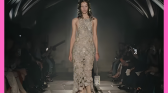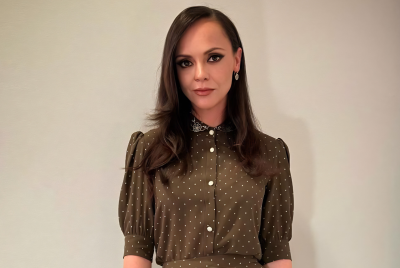
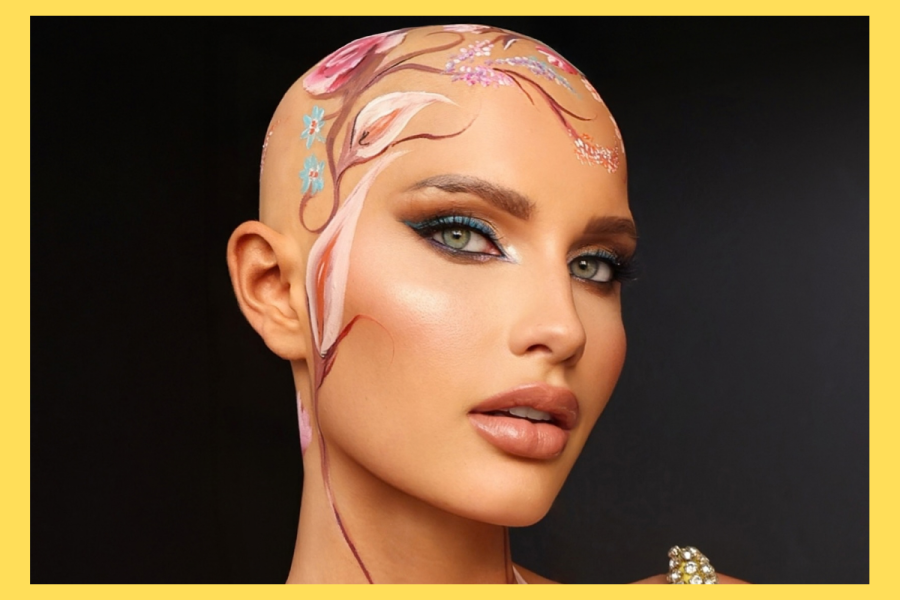
Miss World America titleholder Mary Sickler has seen one of the most vulnerable images from her alopecia journey reworked into couture. Christian Siriano transformed the flower motif from the first photo shoot in which Sickler felt beautiful without a wig into appliqués on a custom red gown unveiled on Thursday, 17 September, after New York Fashion Week.
Created for Sun Pharma's Regrowth Restyled, an educational campaign centred on severe alopecia areata and treatment awareness, the gown translates the experiences of three women with the condition into its design. Sickler's flower motif became one of its most personal details, while the one-shoulder silhouette was drawn from another participant's experience of full hair regrowth.
Sickler, who represented the United States at Miss World 2026 in Vietnam and reached the Top 20, said seeing the finished gown left her 'filled with happiness and joy and relief'. The design arrived nearly two years after she began losing her hair, turning a visual she once used to rebuild her confidence into part of a fashion collaboration.
The Flowers Started With a Photo Shoot
Sickler was diagnosed with alopecia universalis in December 2024 after first noticing a small bald patch. The condition is the most extensive form of alopecia areata and can cause hair loss across the entire body, including the eyebrows and eyelashes. She initially kept the diagnosis private while continuing to work in modelling and pageants.
During an early photo shoot after her hair loss, a photographer suggested decorating Sickler's head with flowers. Sickler later said those images marked 'the very first time without a wig I ever saw myself as pretty', a moment Siriano's gown now references through its floral appliqués. The flowers became a recurring symbol in Sickler's alopecia journey after she described that shoot as 'the very first time without a wig I ever saw myself as pretty'.
Her public relationship with alopecia changed dramatically in 2025. She made her diagnosis public on 8 September 2025, then competed at the Miss USA preliminaries in Reno on 22 October without a wig, wearing a jewel-covered headpiece with her evening gown. The National Alopecia Areata Foundation describes her as the first woman with alopecia to compete at Miss USA, where she finished in the Top 5.


Siriano Turns Regrowth Into Fashion
Siriano's red gown was designed as a composite of three patient stories. The flowers reflect Sickler's experience, while the asymmetric one-shoulder shape was linked to another woman's hair regrowth journey. The result translates hair loss, regrowth and self-expression into details carried through clothing rather than treating the condition as an abstract theme.
Miss World America Mary Sickler Collaborates with Christian Siriano on Custom Gown Inspired by Her Alopecia Journey (Exclusive) https://t.co/bZkI834abE
— PeopleStyle (@peoplestyle) September 22, 2026
Siriano said he has 'always believed style is a form of self-expression', an idea that shaped the project. He also said the goal was to make the women involved feel like their strongest selves rather than designing a garment centred only on hair loss. Siriano said he chose red because he wanted the dress itself to command attention, keeping the focus on the garment as well as the stories behind its design.
From Pageant Stage to Advocacy
The collaboration comes after Sickler took her alopecia advocacy onto one of pageantry's biggest stages. At Miss World 2026 in Vietnam, she represented the United States and advanced to the Top 20 while continuing to speak publicly about hair loss, identity and confidence. She has also worked with the National Alopecia Areata Foundation and serves as national celebrity chair for its Walk for Alopecia.
That progression gives the Siriano gown a clear through line. Flowers that once helped Sickler recognise herself without a wig now appear on a dress created after she had already walked national and international pageant stages with her diagnosis in public view. The garment keeps her hair loss story visible while turning one of its earliest symbols of confidence into fashion.