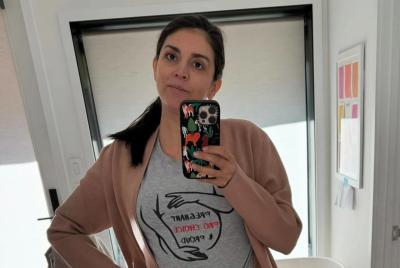

Kylie Vincent, a 26-year-old comedian from Los Angeles, has spoken about the frightening experience of having serious multiple sclerosis (MS) symptoms initially dismissed as a urinary tract infection (UTI). Vincent said the experience left her feeling unsafe and described the months since her diagnosis as 'psychological torture.'
Speaking to People, Vincent recalled developing tingling and numbness in her left hand while filming an independent short film in January. Her symptoms worsened during a trip to the Sundance Film Festival, where she woke up with numbness across her entire left side. After returning to Los Angeles, she passed out while walking her dog and lost the ability to walk independently.
Woman Blames Misogyny in Medical Practice
A friend took Vincent to the emergency department, where she was admitted to the neurology unit because of her stroke-like symptoms. But Vincent said the first male doctor she saw suggested sending her home with antibiotics for a UTI.
Vincent immediately questioned the diagnosis, saying she had experienced UTIs before and had never had one that prevented her from walking. She stated: 'I was pretty taken aback. I was like, 'You're crazy. That's f---ing ridiculous.'' However, she had no family to turn to for support at the time, making it harder for her to speak up about her concerns.
A neurologist later disagreed with the initial diagnosis and ordered an MRI. The scan showed a 7-millimetre lesion on her brain, while a spinal tap ultimately confirmed MS.
Vincent asked to have another doctor, preferably a woman, treat her because she no longer trusted the first physician. She said she was told there were not enough doctors available to make the change. She remained in hospital for about a week and received IV steroids for five days to reduce inflammation.
She described the experience as a failure of care, saying: 'It's misogyny in medical practice and it also just really goes to show the pressure of the healthcare system that they are making such massive mistakes because they're not given the resources and staffing that they need to take care of us.'

What To Know About Multiple Sclerosis
Multiple sclerosis is a chronic condition affecting the brain and spinal cord. It can damage the nerves responsible for communication between the brain and the rest of the body, producing symptoms such as numbness, tingling, weakness, balance problems, vision changes and difficulties with movement.
MS can affect people differently and is an unpredictable neurological condition that can cause disability. It is most commonly diagnosed in people in their 30s and 40s, although it can develop at any age. Women are around two to three times more likely than men to be diagnosed with MS.
There is currently no cure for MS. However, treatments include medicines for relapses and disease-modifying therapies designed to reduce disease activity and the risk of further damage.
Important Differences Between MS and UTI
Urinary tract infection is an infection affecting the urinary system, including the bladder and urethra. Common symptoms include burning or pain when urinating, needing to urinate more frequently or urgently, and pain in the lower abdomen or back.
MS, by contrast, is a neurological disease. Severe numbness on one side of the body, fainting and suddenly losing the ability to walk are not typical symptoms of a straightforward lower UTI and can indicate a neurological problem requiring urgent assessment.
That does not mean UTIs are harmless. Some infections can spread to the kidneys and, if untreated, lead to serious complications such as sepsis.
For Vincent, the consequences of the delayed MS treatment have continued. She told People that seven months after her diagnosis, she had still not started disease-modifying treatment because of insurance and approval delays. She said she had subsequently discovered more lesions on her brain.
How She's Coping With Her New Diagnosis
Vincent has turned to stand-up comedy while adjusting to her diagnosis. She returned to performing only a week after leaving hospital, saying comedy helped her maintain a sense of normality and connect with others who shared experiences of illness and disability.
Today, Vincent says her walking has improved, although she sometimes still relies on a cane.
Despite the difficulties, Vincent is taking her diagnosis one day at a time. She said she is grieving what her life used to be while trying to establish a new normal, but remains determined to keep showing up and moving forward.