
French fashion label Coperni is shutting down after eight years following its 2018 relaunch, prompting a wave of online criticism for relying on celebrity appearances, viral runway stunts, and unconventional designs to capture public attention. The brand, founded by designers Sébastien Meyer and Arnaud Vaillant, announced on Wednesday, 4 November, that it would cease operations after failing to resolve a prolonged dispute with its majority shareholder and exclusive distributor, Tomorrow Ltd.
The announcement has reignited conversations about Coperni's approach to fashion, with some social media users questioning whether its headline-grabbing moments translated into a sustainable business. One user criticised the label's strategy, calling it an 'Annoying gimmick final boss'
Annoying gimmick final boss shuts down because they don’t have the product to support their circus (and blew all their money hiring Bella, Kylie, Disneyland)
— 💎 (@chaoswintour) November 4, 2026
Another commented that it's not shocking to see a 'fashion brand who relied on nothing but social media stunts' to shut down.
Fashion brand who relied on nothing but social media stunts just shut down (not shocking).
— Lola (@malbwgaf) November 4, 2026
While the comments reflect a particularly harsh reaction to the news, they point to a broader debate about fashion labels increasingly prioritising internet attention and celebrity-driven spectacles.
From Bella Hadid's Spray-On Dress to Disneyland
Coperni became internationally recognised for its unconventional approach to fashion presentations, with perhaps its most memorable moment taking place during Paris Fashion Week in September 2022. At its Spring/Summer 2023 show, model Bella Hadid appeared on the runway wearing nothing but underwear before technicians sprayed a liquid fabric directly onto her body.
The material, developed with Fabrican, gradually solidified into a white off-the-shoulder dress in front of the audience. The performance quickly became one of the most talked-about moments of the season, earning widespread media coverage and viral attention across social media.
The label continued its theatrical approach in September 2024, staging its Spring/Summer 2025 presentation at Disneyland Paris. The show marked the first fashion runway event held at the theme park, with Kylie Jenner making her Paris Fashion Week runway debut in a dramatic black ballgown inspired by Disney princesses.
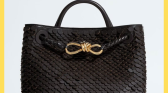
Beyond its runway spectacles, Coperni also gained commercial recognition for its accessories, particularly the Swipe Bag. Inspired by the familiar swipe-to-unlock symbol of a smartphone, the handbag became a recognisable part of the brand's identity.
Its experimental designs also included the Air Swipe Bag, made using silica aerogel, a lightweight material developed from NASA-related technology. These creations helped establish Coperni as a label associated with the intersection of fashion, technology and internet culture.

The Internet Questions Coperni's Viral Moments
Online reactions questioned whether Coperni had managed to turn its creative ideas into a lasting brand identity. One user claimed that 'we've moved past the need for coperni' and said the brand didn't know how to build longevity with its audience.
we’ve moved past the need for coperni they gave us a cute little bella hadid moment but that’s enough… i will say they had some cool ideas but did not know how to bring longevity to the brand so everything just kind of became a gimmick
— offduty ⭒ runway (@offdutyrunway) November 4, 2026
Another offered a broader criticism of the industry's growing dependence on online attention, saying: 'Building your brand ethos around algorithm-pleasing notions is an easily slippery slope.'
Building your brand ethos around algorithm-pleasing notions is an easily slippery slope.
— N (@dearvotion) November 4, 2026
These reactions echo the criticism that Coperni's most memorable moments often generated more conversation than its actual collections, raising questions about the long-term value of viral fashion marketing.
What Actually Led to Coperni's Closure?
Despite its cultural visibility, Coperni's closure was not officially attributed to a lack of consumer interest or its creative direction. Instead, the decision followed months of conflict between the founders and Tomorrow Ltd., the label's majority shareholder and exclusive distributor since 2019.
The dispute reportedly involved unpaid sums, including revenue shares and expense reimbursements. The founders had also attempted to regain control of the business after their relationship with the distributor deteriorated.
In June 2026, Coperni received protection from a Paris commercial court and entered receivership as the founders sought to keep the business operating. However, those efforts ultimately failed.
In their announcement, Meyer and Vaillant said they had tried everything to preserve the label and reach a resolution with Tomorrow, but no agreement was reached. They described their eight years building Coperni as extraordinary, thanking the employees, collaborators, retailers, press and customers who had supported the brand.
Coperni's closure does not necessarily prove that viral fashion is commercially unsustainable. However, the online reaction highlights an increasingly relevant question for the industry: when the spectacle fades, does the product have enough staying power to keep a fashion brand alive?