Luxury fashion rarely moves quietly, and Dolce & Gabbana is a clear example of that. Known for its bold designs, dramatic runway shows, and strong Italian identity, the brand is now in the news for a different reason. That is changes in leadership and financial challenges.
Co-founder Stefano Gabbana has stepped down as chair, marking an important shift for the house at a crucial time. At the same time, reports suggest the brand is dealing with around €450 million (£391 million) in debt and is currently in talks to refinance it.
For many fashion followers, it is one of those reminders that even the most glamorous names in luxury are still businesses first. While Dolce & Gabbana continues to command attention on the runway, the company behind the scenes is going through a period of adjustment and restructuring.
Leadership Changes Within the Luxury Brand
Dolce & Gabbana has always been defined by its founders, Domenico Dolce and Stefano Gabbana, who launched the label in Italy in 1985. Their partnership built one of the country's most distinctive fashion houses—known for baroque glamour, corsetry, black lace, and dramatic storytelling on the runway.
But in a notable leadership change, Stefano Gabbana stepped down as chair at the beginning of 2026. According to a Bloomberg report, the transition marks a formal exit from the chair role, but not a departure from the brand itself.
The chair position has now been taken over by Alfonso Dolce, chief executive and brother of co-founder Domenico Dolce. This keeps leadership within a closely connected inner circle, reflecting a structure that has long shaped how the business operates. You might think of it as less of a corporate shake-up and more of a carefully managed handover within an established family-style framework.
Gabbana, who holds a 40% stake in the Italian fashion company, is reportedly considering options regarding his share ahead of negotiations with the brand's bank lenders.
Inside the €450 Million Debt Crisis
Alongside leadership changes, Dolce & Gabbana is also navigating reported debt of around €450 million (roughly £390 million). While luxury fashion is often associated with high margins and exclusivity, the reality behind the scenes can be far more complex.
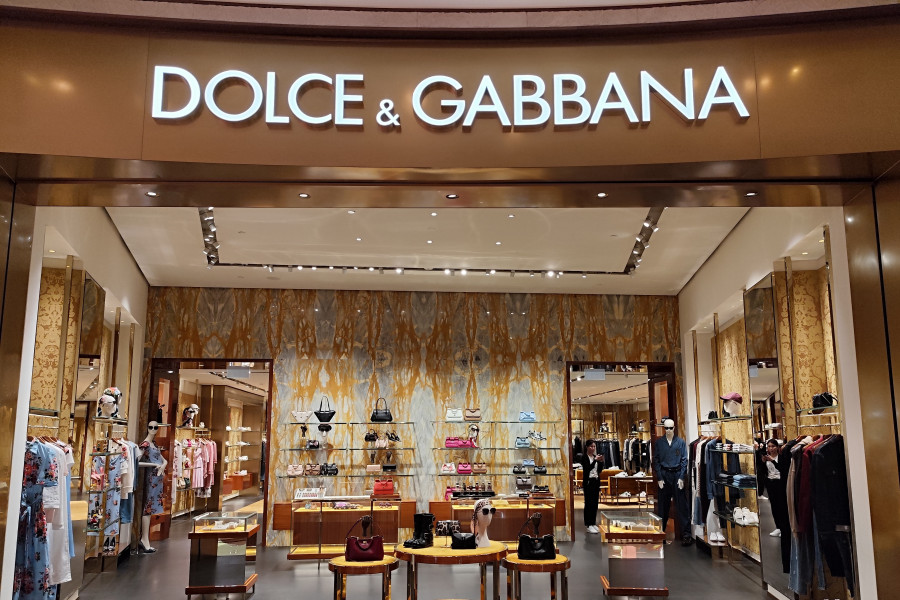
In recent years, many major luxury houses have pursued aggressive expansion strategies. This includes flagship boutiques in global capitals, more elaborate runway productions, and sustained investment in digital infrastructure. While these moves help strengthen brand presence, they also increase operating costs.
The brand has also been affected by a slowdown in the high-end fashion market, along with broader uncertainty weighing on consumer confidence. This is also linked to geopolitical tensions in key luxury regions such as the Middle East, an crucial market for premium brands.
In March, the company was reported to have appointed Rothschild & Co as financial adviser ahead of discussions with creditors. At that point, Dolce & Gabbana held approximately €450 million (£390 million) in bank debt following a refinancing exercise in 2025 designed to support a growth strategy aimed at preserving its independence. Lenders had also granted a temporary waiver on existing borrowing terms.
According to reports, the company has not provided a detailed update on its debt position, with a spokesperson saying that negotiations with the banks are still ongoing.
The broader luxury market has remained relatively resilient, but fluctuating demand and rising operational costs continue to place pressure on even the most established fashion houses.
Brand Identity & Fashion Legacy
Dolce & Gabbana's identity remains deeply rooted in its origins. Founded in 1985, the brand built its reputation on bold, unapologetic designs inspired by Italian culture, particularly Sicilian heritage.
From sharply tailored black suits to ornate lace dresses and richly embellished eveningwear, the label has consistently leaned into drama and sensuality. The brand is known for its signature use of religious iconography, floral motifs, and baroque detailing—all of which have become part of its visual language over decades.
Beyond ready-to-wear, the brand has expanded into fragrances, accessories, and lifestyle products, strengthening its position in the global luxury scene. Its runway shows are often described as theatrical experiences, reinforcing its status as both fashion house and cultural storyteller.