A controversy unfolded on Facebook after a survivor of sexual abuse publicly criticised the late 'Jolene' singer. The poster, known as Stacy Lynn, took issue with Parton's decision to pose for Playboy magazine in October 1978.
The discourse gained momentum across platforms after a viral post sparked intense debate over the historic publication and its broader cultural legacy.
'High-Profile Women Should Not Endorse Outlets That Objectify Women'
In the post, the victim argued that high-profile women who chose to associate with Playboy—a publication long accused by critics of objectifying women and enabling exploitation within the entertainment industry—helped legitimise an institution that caused real-world harm to vulnerable women and victims of abuse.
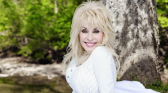
The criticism centres on Parton's famous October 1978 Playboy cover shoot. The singer appeared wearing the magazine's iconic black bunny suit at the age of 32.
The late superstar notably refused to pose nude, insisting on strict boundaries and participating strictly on her own terms. She instead chose to wear the classic satin Playboy Bunny outfit, designed by Patricia Taylor, the mother of actor Keanu Reeves.
Critics argue that any endorsement of Hugh Hefner's media empire contributed to the normalisation of an industry linked to systemic misogyny and sexual misconduct.
According to the post, the victim shared traumatic events in her life, where she was abused by her uncle. She pointed out that her uncle would do 'wicked things' to her 'and touted the name of Dolly Parton and her music'.
While she admitted that it was not Dolly who abused her as a child, whenever she saw the image of the superstar, all she could think about was her abuser and her traumatic past.
The woman also went on to say that Dolly 'promoted a vaccine that killed a ton of people while declaring she was smart to take it implying those of us who didn't are idiots.'
Two Divided Camps
The social media post quickly drew thousands of reactions, dividing commentators into opposing camps.
Supporters of the victim argued that death should not prevent public figures from historical scrutiny or feminist critique, stating that survivors have a right to air their grievances on media institutions that profited from sexual objectification.
Conversely, legions of Parton's defensive fans rushed to uphold her memory, pointing out her lifelong dedication to women's independence, workplace equality, and personal autonomy.
Advocates noted that Parton's Playboy appearance was widely regarded at the time as a subversive and empowered move.
By maintaining full control over her image, declining nudity, and using the accompanying interview to showcase her razor-sharp wit and intellect, supporters maintain that Parton successfully subverted the traditional male gaze.
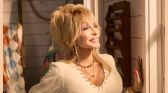
Throughout her life, Parton was open about her choices on her image and fashion, frequently defending her right to dress provocatively without compromising her self-respect or talent.
Leaving an Overwhelming Legacy
The country superstar, who died on Tuesday, 25 August, following a brief battle with cancer, had often revisited her Playboy appearance with humour, even recreating the iconic bunny outfit in 2021 as a 75th birthday gift for her late husband, Carl Dean.
While Parton leaves behind an overwhelming legacy as a humanitarian and pop culture powerhouse—donating millions of books through her Imagination Library and funding crucial medical research—the debate over her 1978 magazine cover illustrates the complex, often contentious nature of celebrity legacies.
As the public continues to commemorate her immense contributions to music, the online reaction serves as a stark reminder that public figures inevitably leave behind complex records that evoke vastly different reactions across diverse communities.