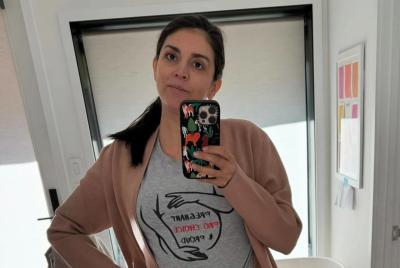

You don't usually expect a stroke story to come from someone who feels otherwise fine just moments earlier. But that's exactly why Dr Sandra Lee—better known as Dr Pimple Popper—has been speaking out about her experience.
What began as a small, unusual change in how she felt didn't seem serious at first. She carried on with her day, thinking it would pass. However, it soon became clearer that something was wrong. As Lee's experience shows, the earliest signs of stroke can be subtle enough that you keep going about your day until you can't ignore them anymore.
'Dr Pimple Popper' Suffers Ischaemic Stroke
Sandra Lee recently experienced an ischaemic stroke, a condition caused when blood flow to the brain is blocked, typically by a clot. It's one of the most common types of stroke and requires urgent medical attention to restore circulation and reduce damage.
What makes her case especially striking is how unexpected it was. Even as a medical professional, she did not immediately recognise what was happening. According to her, the symptoms didn't feel like the kind of emergency people are often taught to associate with stroke.
That gap between expectation and reality is where risk lies. You might assume you'd know instantly if something serious was happening, but her experience suggests otherwise.
How Her Symptoms Escalated
In an interview with People, Lee described what she experienced before she was hospitalised. She said it happened while she was filming the new season of her show.
'I had what I thought was a hot flash. I got super sweaty and didn't feel like myself,' she recalled.
At first, it didn't feel like anything urgent. Not the kind of sensation that sends you straight to emergency care. It's more the kind you might brush off as stress, fatigue, or something temporary.
After wrapping for the day, she went to her parents' home, which was nearby. That evening, things still didn't feel quite right. She described a growing sense of restlessness, along with shooting pains in one leg. Sleep didn't come easily, and when she finally got up to get something to eat, she noticed something more worrying. 'I noticed that I was having a tough time walking down the stairs,' Lee stated.
By the next morning, the signs were harder to ignore. She realised her left side wasn't responding normally. 'I would hold my hand out, and it would just slowly collapse,' she added. Speech also became more difficult, and words didn't come out as clearly as they should.
At that point, she recognised the seriousness of what was happening.
She then went to the emergency room immediately. At the hospital, doctors carried out an MRI scan, which confirmed she had suffered an ischemic stroke. 'What essentially happened is I had a part of my brain that died,' said Lee.
Ischaemic Stroke Symptoms You Shouldn't Ignore
An ischaemic stroke happens when a blood clot blocks an artery supplying the brain, cutting off oxygen and nutrients. Brain cells begin to die within minutes, which is why fast treatment is essential.
Some symptoms are widely known, and you've probably heard of the FAST rule:
- Face drooping
- Arm weakness
- Speech difficulty
- Time to call emergency services.
The first three are the key warning signs, and the last one is what you should do if they appear.
But strokes don't always start there. You might notice sudden confusion, unusual dizziness, blurred vision, or even brief episodes where your body or mind feels off. These can appear mild at first, which is exactly what makes them easy to underestimate.
Think of it this way—your body rarely sends out false alarms when something neurological is happening. Even if the signal feels small, it's worth paying attention.
Hidden Causes of Stroke
Strokes don't happen randomly. They usually develop because of underlying health issues that affect blood vessels over time.
High blood pressure is one of the biggest contributors, slowly weakening arteries and making blockages more likely. High cholesterol can also lead to fatty deposits building up in blood vessels. It narrows the pathways that keep blood flowing smoothly.
Lifestyle factors play a major role too. Smoking, lack of exercise, poor diet, and excessive alcohol intake all increase risk. Conditions like diabetes and irregular heart rhythms such as atrial fibrillation can further raise the likelihood of clot formation.
You don't need to have all the risk factors for something to happen, but the combination of even a few can significantly increase vulnerability over time.
What You Can Do?
Prevention doesn't mean drastic changes overnight. It's about consistency in the habits that support heart and brain health.
Regular movement is one of the simplest protections you can give yourself. Even walking daily helps maintain circulation and supports healthy blood pressure. You might already know what your body feels like after a long inactive stretch. Your cardiovascular system feels it too.
Diet also matters more than you might think. Swapping highly processed foods for fresh ingredients, reducing salt intake, and including more fibre-rich meals can all support vascular health.
And then there's the part people often overlook: the routine check-ups. Blood pressure, cholesterol, and heart rhythm issues often develop quietly, without obvious symptoms, until something more serious occurs.
You don't need to wait for dramatic symptoms before taking your body seriously. The earlier you recognise unusual changes and seek help, the better the outcome can be. Sandra Lee's story reinforces a simple but powerful message that when something feels different in your body, it's worth taking seriously—even if you can't immediately explain why.