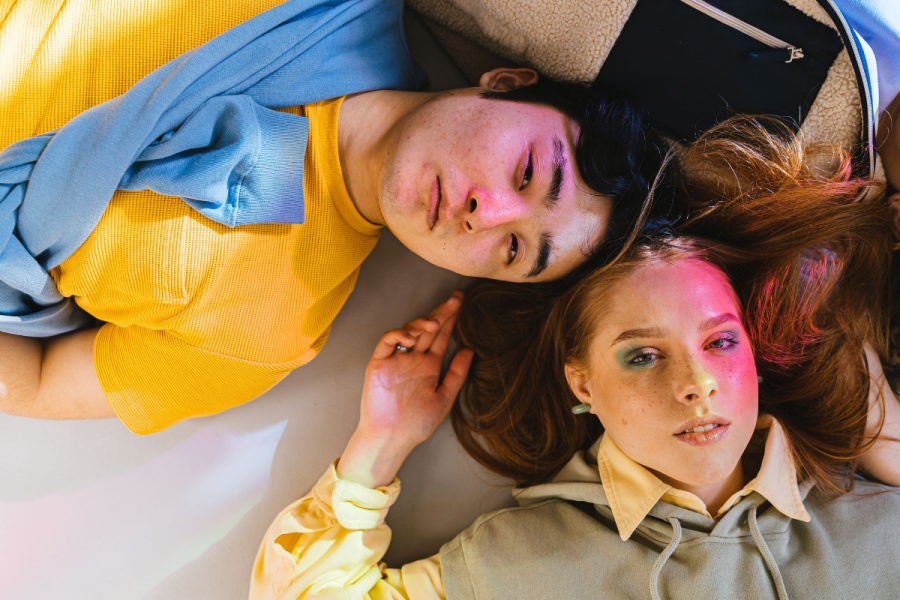
A lively online discussion has reignited an age-old question: what exactly makes something 'masculine' or 'feminine'? While the conversation began with a humorous post shared on Reddit's r/CuratedTumblr, it quickly evolved into a broader debate about fashion, careers and how society continually redraws the boundaries of gender norms.
The discussion has struck a chord because it highlights something the fashion industry has long understood–style is never just about clothes. From grooming habits and tailoring to colours and silhouettes, what is considered masculine has shifted dramatically across generations, cultures and even professions. The thousands of comments shared beneath the post suggest many people now see fashion as one of the clearest reflections of changing attitudes towards masculinity.
Changing Ideas of Masculinity
At the heart of the conversation was the idea that gender expectations are far more fluid than many assume. Rather than being fixed, commenters argued that society constantly redefines what is considered appropriate for men and women, often without people noticing the gradual shift.
Several contributors pointed to examples from around the world. One user from Brazil explained that architecture is widely viewed as a more feminine profession, while civil engineering retains a more traditionally masculine image. They were surprised to discover that in the United States, architecture has historically remained more male-dominated despite broader increases in women studying science, technology, engineering and mathematics.
Fashion Reflects Cultural Change
The examples extended well beyond careers and into fashion itself. Participants noted that clothing, grooming and personal style have repeatedly crossed traditional gender lines throughout history. Trends that were once mocked as being too feminine for men often become mainstream years later, only to lose that association entirely.
One topic that resurfaced was the early-2000s rise of the 'metrosexual' man, a label used to describe men who invested heavily in grooming, skincare and fashion. At the time, paying close attention to appearance was often viewed as unconventional for heterosexual men. Today, however, skincare routines, luxury fragrances, tailored wardrobes and designer trainers have become everyday parts of mainstream menswear culture.
Gender Norms Differ Around the World
The discussion also touched on how perceptions vary between countries. While some professions or fashion choices may be considered masculine in one culture, they can carry entirely different associations elsewhere. These differences reinforce the idea that gender norms are shaped by society rather than existing as universal rules.
Many commenters argued that masculinity is increasingly being measured less by physical stereotypes and more by emotional intelligence, communication skills and personal presentation. Some suggested younger generations are placing greater value on kindness, confidence and authenticity than on rigid ideas of traditional masculinity.
Others expanded the conversation beyond fashion, discussing education, social expectations and changing household roles. While opinions differed on the causes, many agreed that ideas surrounding gender continue to evolve alongside broader cultural and economic shifts.
Humour Highlights a Serious Debate
Humour remained a defining feature of the discussion, with users poking fun at the fluidity of modern gender norms. Some joked about identifying as 'Form/Function bigender', while others quipped that today's gender categories could simply be divided into 'Aesthetic' and 'Utility', using satire to challenge long-held stereotypes.
Beneath the jokes, however, was a more thoughtful conversation about identity and self-expression. Many participants suggested that traditional definitions of masculinity and femininity no longer reflect how people present themselves today, arguing that fashion, personal style and cultural expectations continue to reshape those boundaries.
Why Fashion Is Never Just Fashion
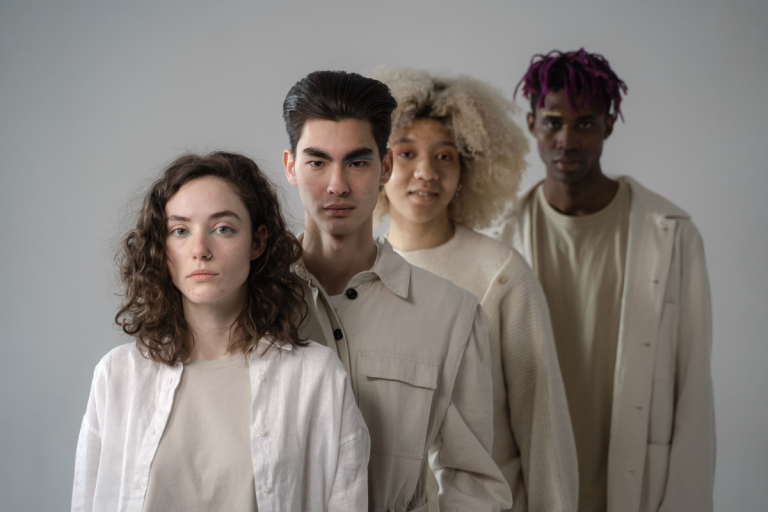
Fashion has often been at the centre of these cultural changes. History offers countless examples of garments that have changed gender associations over time. High heels were originally worn by aristocratic men, pink was once promoted as a suitable colour for boys, and elaborate embroidery, wigs and jewellery were all symbols of masculine status in previous centuries. Today's fashion landscape continues that tradition, with luxury houses frequently embracing fluid tailoring, pearl jewellery, handbags and softer silhouettes in menswear collections.
Social media has accelerated these conversations, giving people around the world a platform to compare how different cultures define masculinity and femininity. What begins as a humorous online exchange can quickly become a wider discussion about identity, representation and the evolving role fashion plays in everyday life.
Ultimately, the conversation illustrates why fashion is never simply about what people wear. Clothing, grooming and personal style have always reflected changing cultural values, and the latest online debate serves as another reminder that masculinity is continually being rewritten. As trends evolve and old stereotypes fade, fashion remains one of the most visible ways society negotiates what it means to be masculine in the modern world.