Gaucho pants, the cropped, wide-leg trousers that dominated early-2000s wardrobes, have returned as a summer 2026 fashion flashpoint among Gen Z creators and nostalgic millennials. Free People currently lists 21 styles in its Gauchos + Culottes edit, while Urban Outfitters, Uniqlo and Aritzia are selling their own versions, turning the polarising Y2K staple into a comfort-first alternative to jeans.
The comeback is being driven by two forces that rarely stay separate for long: nostalgia and comfort. Content creator Maria Canizalez summed up the mood in an Instagram Reel, writing, 'Gaucho pants might actually be the trend of 2026', before describing the outfit as comfortable and effortless. The silhouette also fits the wider move towards breathable trousers that can shift between loungewear, activewear and polished daywear.
What Actually Counts as Gaucho Pants?
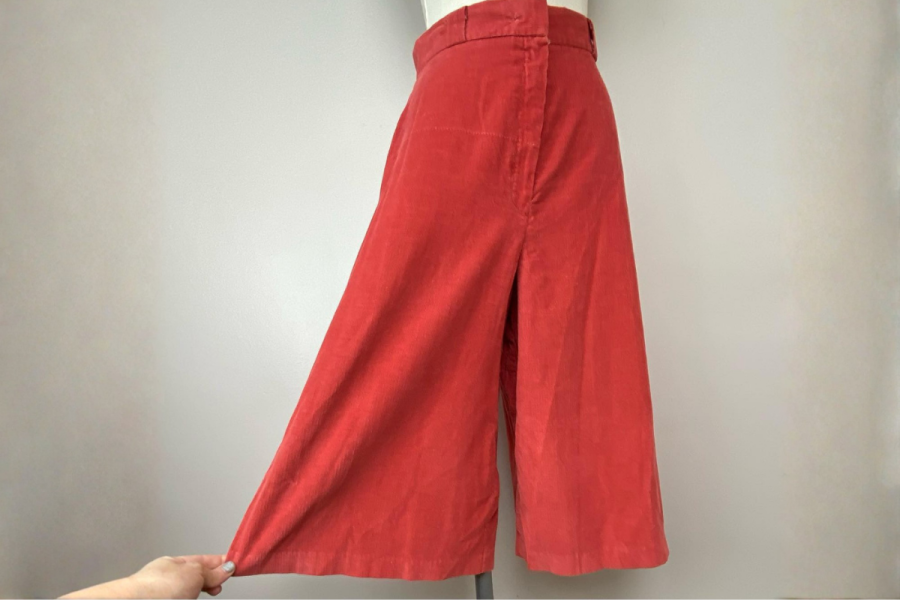
Modern gaucho pants usually have a wide leg and finish around the knee or mid-calf, placing them between Bermuda shorts and full-length palazzo trousers. Retailers often use gauchos and culottes interchangeably, although culottes can resemble a split skirt and appear in several lengths. Capris are generally narrower, which explains why the revived styles can look similar while creating markedly different silhouettes.
Free People defines gauchos as 'wide-leg, cropped trousers' and markets them for occasions ranging from brunch to casual evenings. Its current collection includes linen, denim and pull-on styles, while the £59 ($78) Sunday Mood pair features a drawcord waist, a soft-blend fabric and oversized pockets. Uniqlo's 2026 range includes denim, nylon, cotton and smarter culottes, showing how the shape has moved beyond its old stretchy-jersey reputation.
Why the Y2K Comeback Is Dividing Shoppers
For millennials, the return feels unusually specific because fold-over-waist gauchos were closely associated with the early 2000s. Urban Outfitters is leaning directly into that memory, describing its knee-length, fold-over Bec Gaucho Pants as 'Y2K-inspired'.
Gen Z is updating the proportion with tube tops, oversized shirts, trainers, flip-flops and boots rather than reproducing one complete early-2000s outfit.
The difficult hemline is also why the trend remains divisive. Because gauchos can stop at the widest part of the calf, their proportions change considerably depending on the wearer's height, footwear and where the waistband sits.
The current market addresses that challenge with sporty jersey, tailored crepe, denim and linen versions, allowing shoppers to choose structure or softness rather than one recognisable gaucho uniform.
From the Pampas to Y2K Fashion
The name refers to the gauchos, skilled horsemen historically associated with the plains of Argentina and neighbouring regions of South America. The fashion garment is an interpretation rather than a direct copy of traditional gaucho clothing, which developed around horse riding and livestock work. Traditional dress includes bombachas trousers, while the modern fashion version generally ends much higher on the leg.
Fashion gauchos became prominent in the early 1970s as trousers gained wider acceptance in workplaces and formal settings. They were promoted as a more formal alternative to skirts and slacks, but the mid-calf length also attracted criticism for interrupting the line of the leg. The 2026 revival combines that tailored history with early-2000s nostalgia through fold-over waistbands, soft performance knits and relaxed pull-on designs.
The clearest way to style gaucho pants in 2026 is to consider proportion. A fitted tank, cropped T-shirt or tucked-in shirt defines the waist against the wide leg, while an oversized top creates a deliberately slouchier shape. Trainers and flip-flops keep the outfit casual, boots add visual weight and heels can sharpen more tailored pairs.
That versatility explains why gaucho pants have moved beyond a single nostalgia post. They provide the airflow of shorts, greater coverage than a mini and less fabric near the ground than full-length wide-leg trousers. Their calf-skimming hem may continue to divide shoppers, but the expanding retailer collections and growing number of social posts show that gauchos are no longer waiting quietly in the Y2K archive.