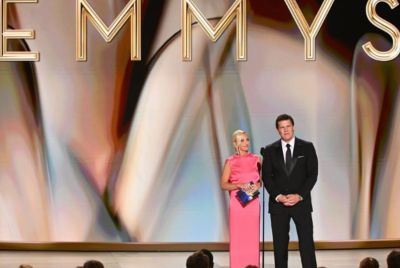
Ginnifer Goodwin feared becoming a Hollywood 'pariah' after speaking publicly about her Jewish identity, Israel and the hostages, even discussing with her husband the possibility of losing their home and pulling their children from school.
But the Once Upon a Time actress says the professional fallout she feared did not materialise, claiming she secured 'far more jobs in the past year' than she had in the previous decade. Goodwin made the comments during an episode of Being Jewish with Jonah Platt, published on 7 January 2025, which has since resurfaced online.
The actress discussed how the 7 October 2023 attacks changed the way she spoke publicly about her Jewish identity and experiences connected to Israel. She recalled reposting material from Persian friends who had escaped Iran and sharing content about Israeli hostages.
Goodwin said friends subsequently warned her that speaking publicly about the issue could have serious consequences for her professional life.


Goodwin Feared Her Career Could Be at Risk
Goodwin said Persian friends contacted her after she began sharing posts and asked: 'Do you understand what's about to happen to you?' She recalled that while they appreciated her support, they believed she needed to consider what publicly discussing the issue could mean for her professional life. Goodwin said the warnings made her think about the possibility that she could become 'some kind of pariah'.
The issue became even more personal on 10 October, when someone made what Goodwin described as a Jewish joke directed at her. She said she had spent much of her life laughing along with such jokes and trying to make her Jewish identity more acceptable to others.
This time, however, she recalled responding simply: 'not today', describing the moment as a turning point in how openly she would identify herself.
Goodwin subsequently discussed the potential consequences of speaking publicly with her husband. She said they considered what could happen if her public advocacy damaged her career, including the possibility that they could lose their house and take their children out of school. Despite those fears, she decided to continue speaking publicly about Jewish identity, the hostages and what she described as fighting for the continuation of 'our people'.
She Says The Jobs Came Anyway
When Jonah Platt later asked Goodwin whether speaking out had affected her career, she gave a striking response. 'No, I've gotten far more jobs in the past year than I have in like 10 years,' she said. Goodwin did not provide a specific number of jobs or identify every role, meaning the comparison remains her own account rather than an independently verified calculation of her employment history.
Platt also discussed the fear that publicly speaking about Jewish issues could lead to professional blacklisting, while suggesting that taking such a stand could instead result in new relationships and opportunities.
Goodwin's comments, however, do not establish that her public advocacy caused the increase in work she described. Her statement establishes only that she says she obtained more jobs in the past year than she had during the previous decade.
During the same programme, Goodwin said she had read a number of Jewish scripts that year and was encouraged by what she described as increased efforts to develop Jewish stories. Separately, Platt has been developing The Mensch, a feature film in which Goodwin is set to co-star.
The Mensch is described as a film about a 30-something female rabbi in New Mexico whose struggling synagogue is shut down following an antisemitic incident before reopening two weeks later, when an eccentric congregant donates her family's priceless Holocaust-era Torah.
Goodwin also spoke about how her family had become more connected to Jewish community life. She said she enrolled her children in Hebrew school, that her eldest was studying for his bar mitzvah and that the family planned to visit Israel. She also said they had resumed celebrating Shabbat every Friday night.
Her comments highlight the contrast between the professional consequences she feared and the career outcome she described. While she expected speaking openly about Jewish issues to put her career at risk, she said she received more jobs in the past year than during the previous decade, without establishing whether her public advocacy was responsible for the change.