
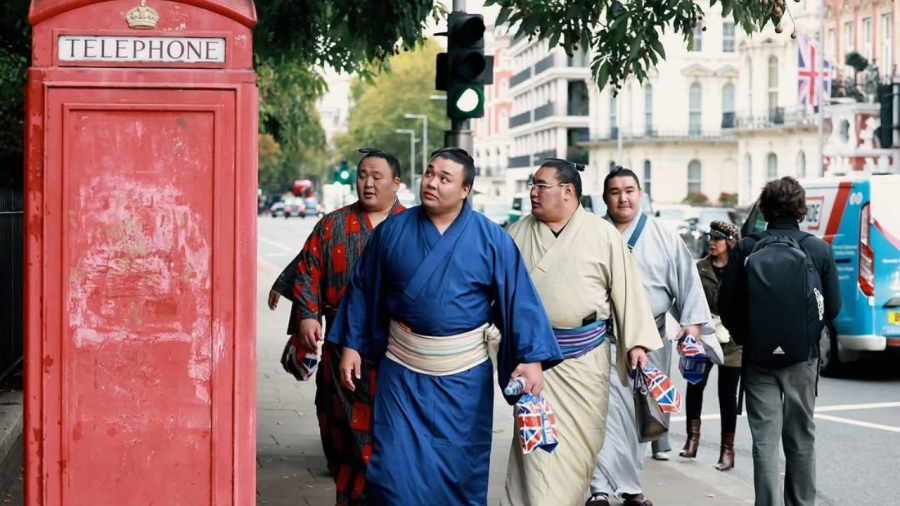
Japan's biggest sumo wrestlers did more than fill the Royal Albert Hall. Their enormous appetites reportedly emptied a London noodle supplier while their six tonne squad turned famous landmarks into unexpected photo stops ahead of the sold out Grand Sumo Tournament.
The visit quickly became one of the capital's most unusual sporting spectacles. Blending centuries old Japanese tradition with sightseeing, street food and packed crowds, the rikishi left a memorable impression both inside and outside the arena.
London Welcomed an Unusual Group of Visitors
More than 40 elite rikishi arrived in London for the Grand Sumo Tournament, only the second time in around 1,500 years that an event of this scale has been staged outside Japan. The five day exhibition transformed the Royal Albert Hall into a traditional sumo venue, complete with an authentic clay ring built using around 11 tonnes of clay.
Away from training, the wrestlers embraced the role of tourists. Still dressed in their traditional yukata robes, they wandered through central London, stopping at Buckingham Palace, Big Ben, Westminster and other famous landmarks while curious visitors gathered to watch.
The Wrestlers Ate Through Mountains of Food
Keeping a sumo wrestler competition ready requires a carefully planned diet packed with calories. Organisers revealed the visiting athletes were consuming around 70 kilograms of rice every day to maintain the size and strength needed for competition.
Donagh Collins, chief executive of Askonas Holt, said they had even heard that a wholesale noodle supplier had completely run out of stock because of the wrestlers' demand. Despite their strict eating routine, some also enjoyed London's street food, with Yokozuna Hoshoryu famously feeding fellow champion Onosato a hot dog near the Houses of Parliament.
Sightseeing Became a Show of Its Own
The wrestlers quickly became one of London's most photographed attractions. Fans smiled as the towering athletes recreated The Beatles' famous Abbey Road crossing, posed outside the Royal Albert Hall and travelled across the city on black cabs, bicycles and London's iconic double decker buses.
Some explored Platform 9¾ at King's Cross Station and Leadenhall Market, both well known to Harry Potter fans. Others visited football stadiums, sampled fish and chips or even travelled outside the capital for a day trip to Stonehenge, proving they were just as excited to explore Britain as millions of other visitors every year.
Ancient Traditions Filled the Royal Albert Hall
Inside the arena, the atmosphere changed completely. Long before each bout began, spectators watched the wrestlers perform rituals that have remained largely unchanged for centuries, including ceremonial leg stomps to drive away evil spirits and salt throwing to purify the ring.
Above the clay dohyo hung a six tonne Japanese temple roof, while modern LED screens replayed every dramatic moment. The combination of ancient customs and modern presentation gave British audiences a rare chance to experience one of Japan's oldest sporting traditions up close.
Power and Speed Won Over New Fans
Many spectators admitted it was their first live sumo event, and the action exceeded expectations. While television highlights the wrestlers' enormous size, seeing two athletes collide in person revealed remarkable speed, balance and technique that many had never appreciated before.
The sold out tournament also produced memorable moments inside the ring. One bout even sent wrestlers tumbling into the front rows, reminding fans why the coveted ringside cushions come with a little extra risk alongside the best view in the house.
A Grand Finish in London
The tournament concluded with Yokozuna Hoshoryu emerging as champion after an intense week of competition. Alongside fellow Yokozuna Onosato, he demonstrated why the sport's highest rank carries enormous responsibility as well as prestige.
While sumo continues to face challenges in Japan, including past scandals involving bullying, match fixing and discrimination, London's response showed the sport still has global appeal. For five unforgettable days, Britain's capital embraced a tradition stretching back centuries, and thanks to a few hungry wrestlers, even the city's noodle suppliers had a story to tell.