
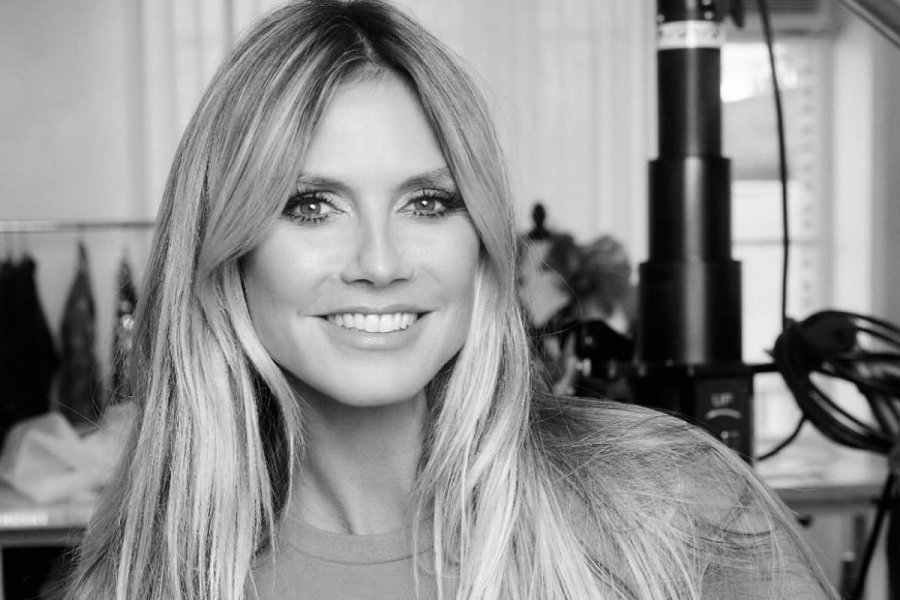
Heidi Klum wants nothing to do with Ozempic, and she is not shy about saying so. 'I'm not interested at all', the supermodel told Us Weekly for her latest cover story, addressing the drug that has quietly reshaped Hollywood's red carpets over the past few years.
At 53, Klum admits she 'gained weight over the years' and is 'no longer a size 24 jean', which is a refreshingly straightforward statement from a woman who once embodied the industry's ideal of a perfect body. It's an admission you almost never hear from a supermodel, especially in an era where every other celebrity shrinks by the season.
The Supermodel's New Perspective
Klum credits her husband, 36-year-old Tokio Hotel guitarist Tom Kaulitz, with the shift. 'He said, "You should eat more; you would look better if you had more meat on your bones"'. She was taken aback: 'This is not something you're told in the industry, ever, because you're always supposed to be skinnier than you are.'
Instead of coming across as a criticism, the comment served as a release valve for Klum. She went back through old photos of herself afterwards and came to a firm conclusion. 'When I look back at photos, I'm like, "He's right!" Proportion-wise, I look better bigger', she said. This reflection seems less like regret about her past appearance and more like relief at finally being accepted for looking different.
There is something notable about where that perspective came from. Kaulitz is nearly two decades younger than Klum and is involved in the music industry, which has its own brutal relationship to image and youth. A younger man challenging the belief that thinner is better, instead of reinforcing it, goes against the typical narrative.
Done With the Pressure
Crucially, Klum draws a clear line between her own choice and anyone else's. For the record, she is not criticising women who turn to GLP-1 drugs; her tone suggests she understands exactly why so many do, given how relentless the pressure to shrink has always been. Her rejection of Ozempic is less a judgement on other women and more a personal boundary—something she felt empowered to do only after years of being told the opposite.
This is not new territory for Klum. She has spoken about early catalogue shoots where she was told she 'wasn't doing a good job' and that people called her 'too fat'. She even recalls Karl Lagerfeld dismissing her outright.
In 1998, she landed the Sports Illustrated Swimsuit cover, and the following year, she became a Victoria's Secret Angel, famously embracing her curves. Decades later, the industry's language has merely shifted from calling her 'too fat' to suggesting she 'should try Ozempic'. Klum continues to reject these pressures just as firmly as she did before.
As she returns to host Project Runway's 22nd season, she will be judging a new generation of designers with that exact perspective behind her. If body diversity is due a real comeback in Hollywood, Heidi Klum has just made a strong case for leading it.