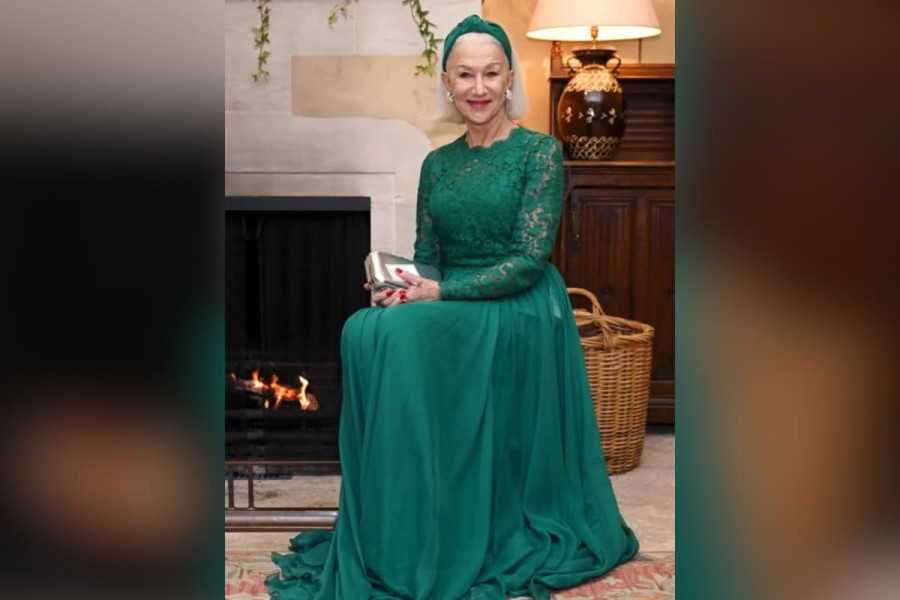
Helen Mirren has spoken about the devastating impact of an olive tree disease on the area around her 16th-century farmhouse in Puglia, Italy, after initially believing the property would escape it. The Oscar-winning actress and her husband, filmmaker Taylor Hackford, bought the farmhouse in 2007. Xylella fastidiosa, a bacterium responsible for widespread olive tree decline in southern Italy, eventually reached their area and killed the trees.
Mirren recalled how she and other residents had initially assumed the disease would not reach them. 'We — just like everybody else — thought, "Oh, it won't come to us." And it did,' she said. 'It killed all of the trees.'
The experience has helped drive Mirren's efforts to raise awareness of the crisis affecting Puglia's ancient olive groves. The actress has been involved with Save the Olives, a non-profit organisation working to protect the region's threatened olive trees and support conservation initiatives.
Helen Mirren's Connection to Puglia
Mirren and Hackford purchased their farmhouse in southeastern Italy in 2007. The property is in Puglia, a region known for its olive oil production and landscape of mature olive trees. The actress has developed a strong connection to the area, where olive cultivation is central to the local economy and cultural heritage.
Some of Puglia's olive trees are estimated to be more than 1,500 years old. Their age and distinctive trunks make them a defining feature of the region's landscape, but their continued decline has raised concerns about the future of traditional olive cultivation.
Mirren described the importance of protecting trees that have survived for centuries. 'We are just really fighting for people to please pay attention and realise that yes, this is happening and you are going to lose 1,500-year-old trees,' she said. 'And when you think that this living thing has been in the earth, living, surviving since the Romans, come on! We have to save these trees.'
What Is Xylella Fastidiosa?
Xylella fastidiosa is a bacterium that infects plants and is spread by sap-feeding insects. It was identified as a cause of severe olive tree decline in Puglia in 2013, leading to widespread damage across the region's olive groves.
The outbreak has caused the loss of millions of olive trees, with estimates at about 22 million. The disease has threatened Puglia's agricultural industry, as olive oil production supports local businesses, jobs and farming communities.
No established cure exists for infected olive trees. Research efforts focus on limiting the bacterium's spread, identifying more tolerant olive varieties and developing management strategies to protect remaining trees.
Why Helen Mirren Supports Save the Olives
Mirren supports Save the Olives, an organisation working to raise awareness of the olive tree disease affecting Puglia and protect the region's ancient trees. She explained that the initiative was established to share reliable information about the outbreak and counter misinformation.
'We started Save the Olives just as a way of getting information out there. Because as always happens with things like this, disinformation starts flying around and bad theories, wrong theories,' she said.
The organisation supports grafting initiatives and research into olive varieties that may better tolerate Xylella fastidiosa. Grafting aims to preserve some trees by introducing plant material from more tolerant varieties, but its success can vary, and it is not a guaranteed cure for infected trees.


How To Support Olive Tree Conservation
Save the Olives offers a tree-adoption programme for people who want to contribute to its conservation work. Under the programme, a €500 donation supports the grafting process for an endangered olive tree. Participants can name their adopted tree and receive photographs and its GPS location.
The organisation also accepts donations in other amounts. The programme gives supporters a way to help preserve trees threatened by the outbreak. However, adoption and grafting should not be interpreted as a guarantee that a particular tree will survive or that the disease will be eliminated.
Save the Olives has also been involved in efforts to develop olive varieties capable of producing high-quality oil while offering greater tolerance to the bacterium. Such work forms part of a wider response involving researchers, agricultural specialists, conservation groups and local communities.
The Impact on Italy's Olive Industry
The loss of olive trees in Puglia has threatened local farmers, businesses and communities that depend on olive oil production. The outbreak has also raised concerns about preserving the region's historic olive groves.
Mirren highlighted the industry's economic importance, saying: 'Producing oil is one of Italy's major economic things. So it's really, really serious.' Research into more tolerant olive varieties, improved monitoring and disease management continues as part of efforts to protect the region's remaining trees and support its agricultural industry.
Helen Mirren Backs Olive Tree Conservation
Mirren is supporting efforts to protect Puglia's ancient olive trees through Save the Olives, which raises awareness of the damage caused by Xylella fastidiosa. The actress said she initially believed the disease would not reach the area around her 16th-century farmhouse, but it eventually affected the trees there.
Save the Olives supports conservation initiatives, including grafting and research into olive varieties that may better tolerate the bacterium. These efforts aim to preserve threatened trees, although no established cure currently exists for infected olive trees.