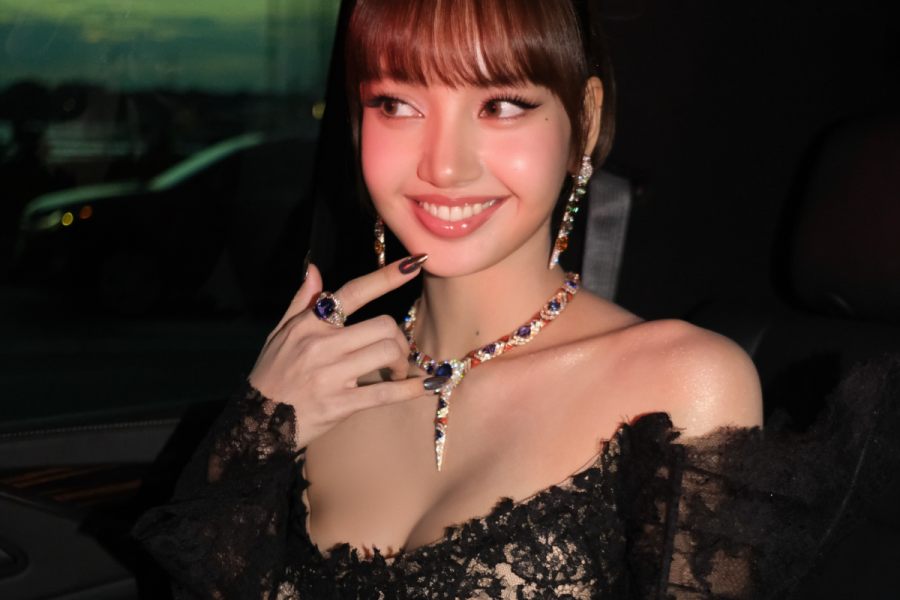
Lisa Manobal's controversial 2025 Met Gala outfit has resurfaced online after the release of Always Lalisa, a documentary exploring the BLACKPINK star's career and personal experiences. The look drew criticism in 2025 after social media users mistakenly identified a portrait featured on her underwear as civil rights activist Rosa Parks, reigniting debate over how the outfit's imagery was interpreted at one of fashion's most high-profile events.
The BLACKPINK star wore a Louis Vuitton look featuring artwork by Henry Taylor at the New York event on 5 May 2025. The outfit was created for the evening's theme, Superfine: Tailoring Black Style, with the official dress code listed as Tailored for You. The discussion surrounding the design later intersected with renewed attention to Lisa's past racial controversy.
The Outfit That Sparked Debate
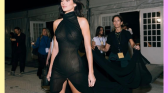
Lisa arrived at the 2025 Met Gala in a black, crystal-covered bodysuit, a matching jacket and tights featuring Louis Vuitton branding. The look incorporated artwork by Taylor and was developed with Pharrell Williams, Louis Vuitton's men's creative director.
remember when she put rosa parks a historical black figure who fought against racism on her panties https://t.co/nDpmu29X6r pic.twitter.com/JRTNIU1eFP
— ً (@pearlytrivia) October 11, 2026
The design drew attention because several faces appeared in the black lace detailing around the bodysuit. Some viewers believed one portrait showed Rosa Parks, the Black American civil rights activist who refused to give up her bus seat to a white passenger in Montgomery, Alabama, in 1955.
The image quickly became a talking point online, with critics questioning whether it was appropriate to place a face they believed belonged to Parks on underwear. However, the identification was incorrect. A representative for Taylor clarified that the portraits depicted people from the artist's personal life, including family members, friends and neighbours, rather than Parks.
What the Artist Said
Taylor's representative explained that the faces used in Lisa's outfit came from the artist's own life. The portraits included people he knew personally, rather than historical figures from Black history.
The artwork came from Taylor's existing work, which had been supplied to Louis Vuitton's parent company, LVMH, for use in a 2023 collection. The clarification established that the portrait identified online as Parks did not depict the civil rights activist.

Past Race Controversy Returns
The discussion also intersected with criticism of Lisa over videos that appeared to show BLACKPINK members using a racial slur while covering rap songs during their trainee years. The clips circulated online in April 2025, prompting criticism from some fans.
Some online users connected the earlier controversy to the response to Lisa's Met Gala appearance, while others focused on the outfit and the mistaken identification of the portrait. These were separate issues, although both prompted discussions about race and cultural sensitivity.
The subject received renewed attention in October 2026 through Always Lalisa, a documentary exploring the singer's career and personal experiences. Reporting on the film, the BBC covered Lisa's reflections on the old videos and her explanation that she hadn't understood the word's harmful meaning when she was younger. She acknowledged that she now understood its significance.
Where Fashion Meets History
The 2025 Met Gala's exhibition theme, Superfine: Tailoring Black Style, placed Black style and Black dandyism at the centre of the event. The official dress code, Tailored for You, invited guests to interpret the theme through their clothing.
Lisa's outfit demonstrated how a fashion design can take on different meanings once it reaches a global audience. Although the portrait was misidentified as Parks, the reaction highlighted how quickly an image can be misunderstood and how discussions about race can shape public responses to celebrity fashion.
It also raises questions about how fashion houses and designers use artwork featuring real people and cultural references. In Lisa's case, clarifying that the portraits were of Taylor helped correct the initial claim, while the broader debate showed that audiences may interpret clothing differently from the artist's original intent.