A London Fashion Week panel has challenged the fashion industry to look beyond surface-level representation, examining how long-standing ideas about the 'ideal body' continue to shape beauty standards, clothing sizes and casting.
Held on Saturday, 19 September, at art'otel London Hoxton, 'Recalibrating Fashion's Inclusivity Lens: Decolonising Fashion & the Body' brought together fashion professionals and commentators for a discussion centred on inclusion, representation and the systems that influence how bodies are seen and catered for across the industry.

The Deeper Topics of Fashion
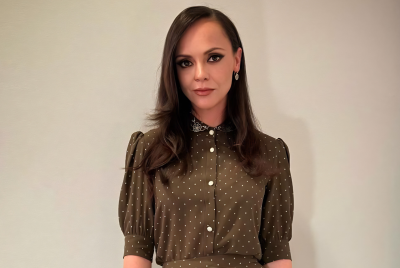
The panel was hosted and moderated by model, presenter and cultural strategist James Corbin and casting director and mother agent MC Barnes. Panellists included Teleica Kirkland, Victoria Jenkins, Priya Oades, Samia Malik and Dr Soljana Çili.
Rather than focusing solely on who appears in fashion campaigns or on runways, the discussion examined the deeper structures behind inclusion. Topics included Eurocentric beauty and body standards, as well as the intersections of race, size, gender and class.
The conversation also addressed practical issues affecting consumers and fashion professionals, including adaptive design, sizing infrastructure and casting. Commercial pressure and cultural extraction were also raised, alongside questions around body image and what meaningful systemic change could look like.


Sizing as an Inclusion Issue
That broader focus is significant because diversity in fashion is not simply about increasing the number of different faces featured in campaigns. The panel considered how the industry's underlying systems can determine who is able to participate, who can find clothes that fit and whose body is treated as commercially desirable.
Sizing, for example, can become an inclusion issue when clothing ranges do not adequately accommodate different body types. Similarly, adaptive design can affect whether people with different physical needs are able to access fashionable clothing rather than being treated as an afterthought.
Casting was another key part of the discussion, with the panel considering the pressures involved in creating a more representative industry while navigating commercial expectations. The event also explored the relationship between fashion, cultural identity and the extraction of ideas or aesthetics from communities.

Inclusivity and Fashion
According to the press release, the London Fashion Week event was the third 'Recalibrating Fashion's Inclusivity Lens' panel overall and the second official London Fashion Week edition.
Corbin, who works across fashion, media and culture, brought his experience as a model, presenter and cultural strategist to the discussion. Barnes, a casting director and mother agent, was named a BFC NEW WAVE Creative in 2023.
The panel's central question extended beyond representation: what practical changes are required for fashion to move away from inherited definitions of beauty and towards systems that genuinely accommodate a wider range of bodies?
Defining Fashion's Standards
The event highlighted the need to question who gets to define fashion's standards. By connecting body image with race, class, gender, sizing and access, the discussion framed inclusivity as an industry-wide issue rather than a casting decision. Its focus on systems suggested that change may require designers, brands, agencies and retailers to reconsider established practices, from how garments are developed and sized to how talent is selected and represented.
As London Fashion Week continues to provide a platform for conversations about the industry's future, the event placed inclusivity within a much bigger discussion about design, business, casting and cultural responsibility. Rather than treating diversity as a trend, the panel explored how structural changes could make inclusion part of fashion's everyday infrastructure.