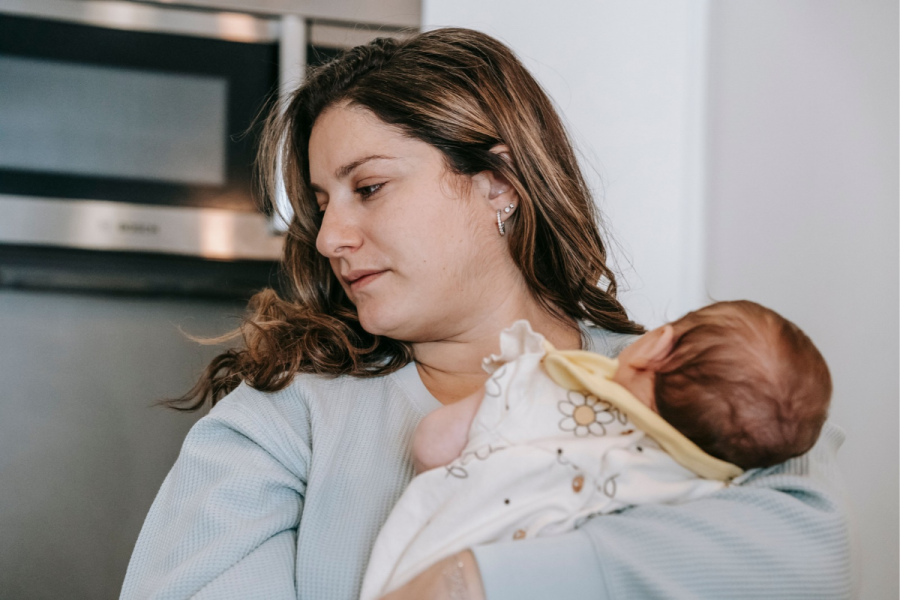
A mother who lost several dress sizes while taking a GLP-1 weight-loss medication allegedly urged her daughter to slim down just three months after giving birth, then suggested her granddaughter was drinking too much milk. Natalie, a New York City restaurateur identified by that name in an interview published on Monday, 12 October, described the comments.
The grandmother had struggled with her weight for decades before starting the medication, according to Natalie. When she visited her daughter, she suggested using the same treatment to become thinner before Natalie's new restaurant opened.
Natalie resisted, saying she preferred to give her postpartum body time to recover. However, the pressure did not stop with her appearance, as her mother also questioned how much milk Natalie's baby was receiving.
Grandma Pushed Weight-Loss Medication During Postpartum
Natalie had previously left a career in technology and consulting to join her family's restaurant business. She moved to New York City at age 33 to open a second location. Her father owned a steakhouse that had operated for nearly 70 years, and she was preparing to open a second location while caring for her newborn. Construction on the restaurant was still underway when her mother began commenting on her weight.
'Maybe you should consider taking a GLP so that you're skinny by the time the restaurant opens,' her mother told her, Natalie recalled. Natalie responded that she could wait and allow her body to change without medication. Her mother nevertheless continued to recommend taking a GLP-1 drug.
The specific drug the grandmother used was not identified, although Ozempic and Wegovy are among the best-known medications in the GLP-1 class. Natalie did not say she had requested weight-loss treatment or received medical advice to begin it. Her account instead described repeated unsolicited suggestions during a period of postpartum recovery.


Mother Questioned How Much Milk Her Granddaughter Drank
The remarks eventually extended to Natalie's baby daughter, who was still an infant during the visit. Natalie said her mother suggested cutting back on the milk the child was being given because she believed the baby was eating too much. The grandmother's concern was about the quantity the child consumed, not whether Natalie could produce enough breast milk.
'I think she's overeating,' Natalie recalled her mother saying. The account does not establish the baby's feeding method, intake or medical circumstances, and there is no reported indication that a clinician recommended reducing her feeds. The National Health Service advises parents to respond to infant hunger cues and states that a baby feeding directly at the breast cannot be overfed.
A breastfeeding mother has no business with weight loss 🤣🤣 pic.twitter.com/4qKrBlJlBL
— Ikemileyi (@ladycarpenter01) August 28, 2026
The World Health Organization also recommends feeding infants on demand and exclusive breastfeeding for the first six months, where possible. Its guidance focuses on babies' nutritional needs rather than their appearance. Any concerns about an individual infant's intake or growth should be assessed with a qualified health professional.
Experience Changes How Natalie Talks About Her Baby's Body
Natalie's experience comes as GLP-1 medications become more widely used for weight management. Gallup research published in 2026 found that 15 per cent of American adults had used such medication for weight loss at some point, compared with six per cent in 2024. The figures describe drug use rather than the attitudes of people taking them.
#DiGest Follow-Up: In #GDM, late-pregnancy energy restriction or modest weight loss showed no harm to infant growth to 1 year, and weight loss was linked to lower LGA risk and fat mass at 3 months.
— Diabetes Care, an ADA research journal 🌟 (@DiabetesCareADA) October 8, 2026
Read here ➡️ https://t.co/x25iQr1LOj@AmDiabetesAssn @ADA_DiabetesPro @ADA_Pubs pic.twitter.com/SqftFXFs4d
For Natalie, the lasting concern is what her daughter might absorb from conversations about thinness and eating. She said she had originally focused on raising a child who was kind, intelligent and hardworking, but now thinks more deliberately about avoiding a fixation on weight. Even affectionate descriptions of a baby's size have become something she questions.
She has begun reconsidering remarks made by family members, including comments that describe her daughter as fat in an endearing way. Natalie said she would rather hear adults acknowledge that the child is happy than draw attention to her body. Her mother's comments about both generations have made that change in language especially personal.