
A pink floral dress has become one of the most unexpected flashpoints in pop culture this year. Olivia Rodrigo's choice to wear babydoll dresses while promoting new music sparked fierce online debate, with some critics accusing the singer of embracing a childlike aesthetic and even promoting what they called 'pedo core'.
Now, Rodrigo has responded directly, defending her wardrobe choices and arguing that the backlash reveals a far more troubling issue about how society views women and girls.
The Dress That Started The Debate
The controversy began after Rodrigo appeared in a series of babydoll dresses during the promotion of her upcoming third album, 'You Seem Pretty Sad For A Girl So In Love'.
Fans first saw the look on the album cover, where the singer wore a pink flouncy dress. Similar outfits later appeared in promotional materials, including the music video for her single 'Drop Dead'.
The discussion intensified after Rodrigo performed at Barcelona's Teatre Grec as part of Spotify's Billions Club Live series while wearing a floral babydoll dress complete with matching bloomers.
While many fans praised the nostalgic look, others criticised the outfit online, arguing that the style appeared overly childlike. The debate quickly spread across social media platforms, where thousands weighed in on the singer's fashion choices.
Olivia Rodrigo Speaks Out About The Criticism
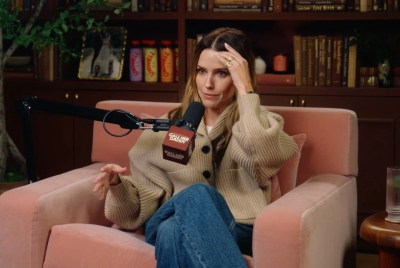
After weeks of online discussion, Rodrigo finally addressed the controversy during an appearance on The New York Times' Popcast podcast.
The singer admitted that the criticism had been upsetting, though not necessarily because it was directed at her personally. Instead, she said she was troubled by what the reaction revealed about wider cultural attitudes.
Rodrigo pointed out that she has worn far more revealing outfits on stage throughout her career, including sparkly bras and shorts. According to her, those outfits attracted significantly less criticism than a dress that covered her body almost entirely.
@nssmagazine Olivia Rodrigo addressed the criticism she received for wearing a babydoll dress at Popcast #oliviarodrigo #pocast #interview #babydoll #tiktokfashion
♬ audio originale - nss magazine
She argued that the outrage surrounding a fully covered outfit highlighted what she described as society's tendency to normalise pedophilia. The singer questioned why some people viewed a modest floral dress as inappropriate simply because they associated it with childhood.
She suggested that the criticism reflected a mindset in which innocent clothing choices are filtered through a sexual lens, regardless of the wearer's intentions.
Her comments immediately sparked fresh debate online, with supporters and critics continuing to argue over the issue.
The Inspiration Behind The Babydoll Look
Rodrigo also explained that the dresses were never intended to appear provocative or seductive.
Instead, she said the inspiration came from female punk and alternative music icons she has long admired. Among those she cited were Kathleen Hanna and Courtney Love, artists known for combining feminine fashion with rebellious attitudes.
The singer said she felt 'cool and comfortable' in the outfits and viewed them as a tribute to musicians who influenced her artistic identity. She added that she never considered the dresses sexy and was surprised by the reaction they generated.
The Message She Wants Young Women To Hear
She criticised the long-standing belief that women must carefully manage their appearance to avoid being sexualised by others. According to Rodrigo, this places an unfair burden on girls and women for reactions that are beyond their control.
The singer argued that nobody should feel responsible for how another person interprets their appearance. She expressed particular concern about younger girls being taught that they are somehow accountable for inappropriate behaviour or assumptions made by others.
The Conversation Continues Beyond Fashion
Olivia Rodrigo defended her babydoll dresses because she believes the criticism says more about society's attitudes than it does about her wardrobe. In her view, the backlash reflects a culture that too often sexualises women and girls while blaming them for those perceptions.
Whether people agree with her position or not, the discussion has evolved far beyond a floral dress worn on stage in Spain. What began as a debate about fashion has become part of a larger conversation about female expression, personal freedom and the expectations placed on young women in the public eye.