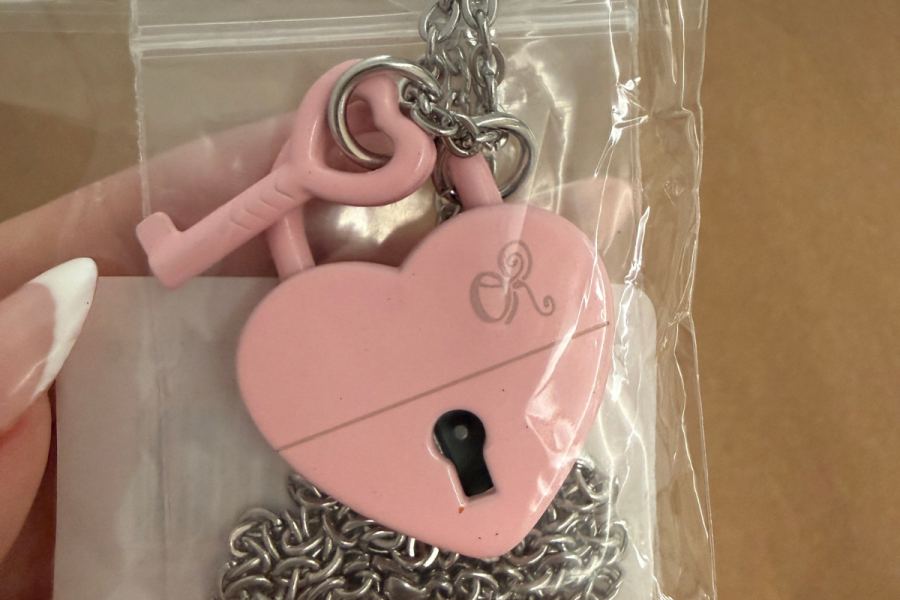
Olivia Rodrigo fans are furious after a viral 'expectation versus reality' post reignited an old question in celebrity merchandise: whether digital mock-ups are a legitimate get-out clause or a way for some brands to dodge accountability. The side-by-side comparison shows a pendant advertised as sleek pink metal arriving as a matte, plastic-looking piece, and fans who waited months for the order say the gap is too big to explain away.
The post quickly gained traction as fans began sharing their own experiences with ordering merch online, leading to a divided reaction. One side claims it is a clear case of false advertising, while the other argues that consumers should understand that promotional images may not accurately represent the finished product.
Zinc Alloy Promised, Plastic Delivered
The listing described the piece as zinc alloy, with precise measurements given for the padlock pendant and chain length. It comes from Rodrigo's official store, priced at $30 and sold as a pre-order. Official listings carry more weight than a reseller's because they set better buyer expectations.
The item that arrived told a different story. One commenter bluntly observed that the product appeared to be metal, while the one the original poster received looked entirely like plastic. Others commented on the colour difference, arguing that the shade they received bore no resemblance to the pink chrome shown in the promotional images, and that the attached key charm did not match either.
olivia i love you but this is not what i ordered 😭 pic.twitter.com/ykGNSlA2J3
— em (@mohopoly) July 31, 2026
Do Merch Disclaimers Hold Up?
The detail doing the most damage to the store's defence is what the listing omits. Some argued that 'digital renderings subject to change' is a standard industry safety net, framing product variation as an inherent risk of pre-ordering merchandise sight unseen. By that logic, buyers should simply expect a gap between a promotional image and the parcel that arrives months later.
The argument fails when you examine the actual product page. The listing included the item's material, size, and dimensions, but lacked a warning that the visual design could change.
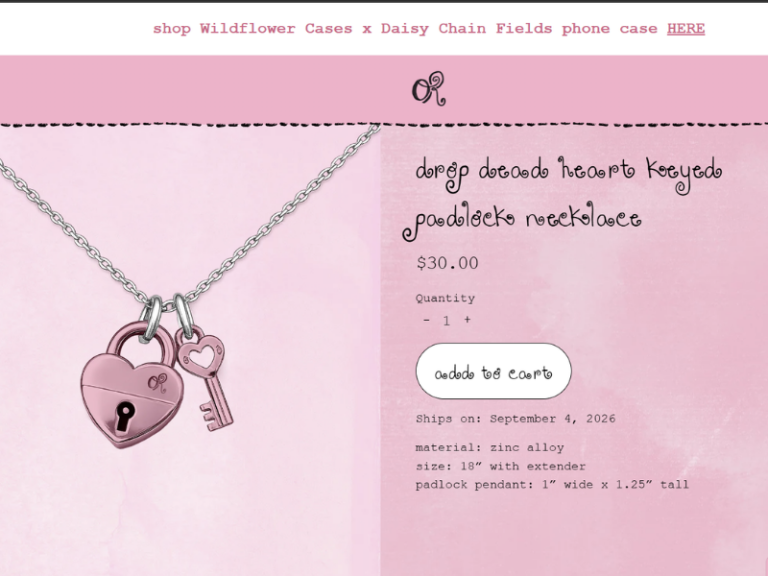
The store cannot use an unspoken industry practice as a defence without clear fine print. Customers may accept small changes if they are clearly warned about them, but when a product is sold based on specific details and mock-ups, this creates strong expectations.
Fans are upset not only because the material quality has declined, but also because the store lacks a contract to justify the downgrade.
Olivia Rodrigo Fans Are Demanding Better Quality Control
The backlash felt familiar to longtime fans. Complaints about the quality of Rodrigo merchandise have been around since the Sour era, when buyers reported issues such as items that looked nothing like their listings, sizing problems, damaged deliveries, and misspelt products. Commenters on the necklace post said this was simply the latest example that's been flagged for years.
The material, dimensions, and way it was manufactured is all advertised falsely. Get your money back.
— oh orion (@PopUpVideo88) July 31, 2026
They paid someone to make that image to sell a product that looks like jewelry instead you paid for something that looks like a toy made for a Polly pocket.
The history raises a more pressing question than just a single bad batch: who should be held responsible? Is it Rodrigo's team that selects the manufacturer, or the fulfilment company that manages large-scale production?
Most fans have decided to draw a distinct line between the two, focusing their criticism on production and quality control rather than blaming Rodrigo herself. They still back the singer, but as pop merchandise matches high-street fashion in price and promises, they are done accepting compromised quality just because her name is attached to the brand.