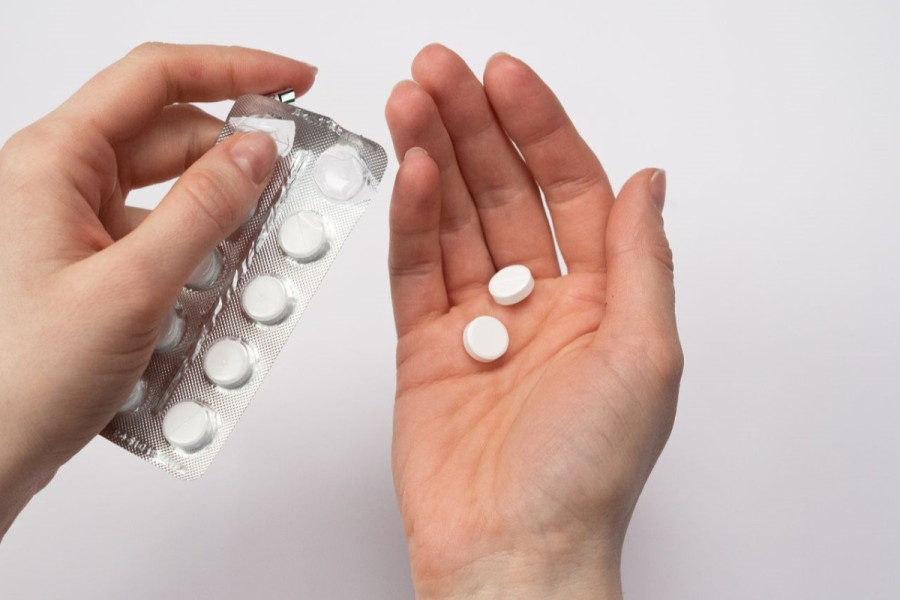
Women are reportedly inserting allergy medication into their vaginas in an attempt to achieve a tighter feeling during sex. This prompts warnings from pharmacists who say the unusual practice could put their intimate health at risk.
The social media trend centres on cetirizine, a commonly available antihistamine used to relieve allergy symptoms. Some posts claim that the medication can reduce vaginal moisture and create a tighter sensation, supposedly making sex more pleasurable.
Pharmacists warn women not to put allergy tablets in their vaginas amid social media trend https://t.co/8CWMCmvx17 pic.twitter.com/mtrXMHMIFO
— New York Post (@nypost) November 9, 2026
Allergy Pills as Viral Vaginal Hack
The medication at the centre of the trend is cetirizine, the active ingredient in popular allergy brands such as Zyrtec. It is commonly used to relieve symptoms including sneezing, runny noses, itchy eyes and skin reactions such as hives.
According to the New York Post, women have been inserting the tablets directly into their vaginas after social media posts promoted the supposed sexual benefits of the practice. The claims are based on the drying effect that antihistamines can sometimes have on the body.
However, in Kenya where the act has trended, the Pharmaceutical Society of Kenya (PSK) has warned that cetirizine is intended to be taken orally and has not been approved or tested for vaginal use. The organisation issued a public warning on the practice on 5 November, stressing that the medication should only be used according to professional medical advice.
Pharmacists Explain the Risks
Pharmacists have specifically challenged the belief that reduced vaginal moisture creates actual tightness. In its warning, the PSK explained that antihistamines may cause dryness, but this does not strengthen the pelvic-floor muscles or alter vaginal anatomy.
The organisation also warned that inserting tablets designed to be swallowed is unsafe because their ingredients have not been tested for use on sensitive vaginal tissue.


Other Kenyan pharmacists have also spoken out against the practice. Dr Wambui Gichigi explained in a TikTok video that experiencing a medication's side effect does not make it beneficial, describing the practice as 'medically misleading'. She warned that vaginal dryness 'can result in painful intercourse, irritation, abrasions and even small tears'.
Dr Mercy Kay also highlighted the importance of natural vaginal moisture in protecting intimate health. She stressed that ingredients in tablets not designed for vaginal application could interfere with healthy vaginal bacteria. '[Tiny] tears make it easier to get infections e.g. STIs', she added, referring to sexually transmitted infections.
Rising Demand for Cetirizine
The trend has also raised concerns about access to essential medication in Kenya, where reports of increased demand have emerged. The unconventional use of cetirizine has reportedly contributed to higher prices and shortages at some pharmacies.
The PSK warned pharmacists and retailers against exploiting the situation by increasing prices or allowing inappropriate use of the medication. It stressed that patients who rely on the drug for allergy relief should not face difficulties obtaining it. It has also urged social media creators to act responsibly when sharing health-related information.
What To Know About Vaginal Dryness
Vaginal dryness and vaginal tightness are two different things. Treating them as interchangeable can lead to harmful practices. The American College of Obstetricians and Gynecologists (ACOG) recommends vaginal moisturisers and lubricants for dryness, which can be caused by certain medications, including cold and allergy treatments.
The National Health Service (NHS) also advises using water-based lubricants during sex and vaginal moisturisers to help manage the condition. The PSK has specifically advised women who have already tried inserting cetirizine to stop. Anyone experiencing pain, bleeding, burning, itching, unusual discharge or fever should seek medical attention.
The organisation stressed that women should not rely on social media claims when making decisions about their health. They should consult qualified healthcare professionals before using medication for purposes outside its approved instructions.