RuPaul's Drag Race UK has been AXED by the BBC after 11 series, despite continuing to attract around 1 million viewers a week, leaving devoted fans and LGBTQ+ viewers furious at the loss of one of British television's most flamboyant queer shows.
The decision has been blamed on the BBC's mounting financial pressures rather than the programme simply running out of steam. The broadcaster has confirmed that the series will leave the BBC and move to WOW Presents Plus, meaning its future is not necessarily over, but its long-running home on British public-service television is.
The cancellation has prompted fierce criticism, with one commentator arguing that 'prudes and homophobes' might celebrate the decision, while questioning why a programme with such a substantial and loyal audience should disappear from the BBC. That criticism should not be confused with an accusation that the broadcaster cancelled the show because it is homophobic: the BBC has cited financial pressures and required savings.
Why Has Drag Race UK Been AXED?
The BBC said it is facing 'significant financial pressures' and has had to make difficult choices as it looks to reduce spending. The decision comes during a wider period of financial strain for the corporation, with the BBC planning substantial savings and facing pressure across its operations.
For fans, however, the numbers make the cancellation particularly difficult to swallow. Drag Race UK has reportedly continued to draw around 1 million viewers per episode, although that is down from an earlier peak of roughly 1.5 million.
The show is not disappearing because nobody is watching. Instead, it is being removed as the BBC makes difficult commissioning decisions, with WOW Presents Plus taking over as its new home.
A Fashion and Pop Culture Phenomenon
Since launching in Britain in 2019, RuPaul's Drag Race UK has become far more than a reality competition.
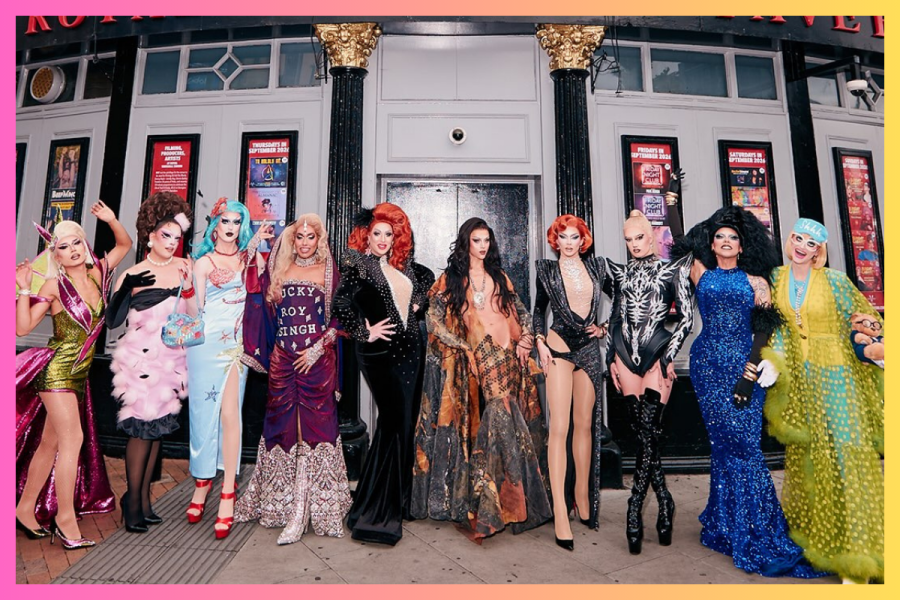
Its runway challenges have delivered extravagant costumes, outrageous styling and spectacular transformations, while its queens have gone on to build careers in music, modelling, theatre, television and publishing.
Bimini Bon-Boulash became one of the franchise's most recognisable British stars, moving into music, modelling and writing. La Voix later appeared on Strictly Come Dancing, while the wider Drag Race franchise has helped performers such as Jinkx Monsoon reach major international audiences.
The programme also brought underground queer culture into millions of British homes. Ballroom terminology and aesthetics that were once largely confined to LGBTQ+ communities became part of mainstream pop culture, while the British series blended that influence with the country's long-standing drag tradition.
The Representation Fans Say Matters
For many viewers, the appeal has never been solely about sequins, jokes and dramatic runway reveals.
Contestants have spoken openly about sexuality, gender identity, HIV and the difficulties of accepting themselves. The programme has featured trans and non-binary performers and has repeatedly expanded the public understanding of what a drag queen can look like.
That visibility has made the show especially meaningful to younger LGBTQ+ viewers who may not otherwise see people like themselves celebrated on mainstream television.
Its cancellation also comes after the BBC confirmed that I Kissed a Boy and I Kissed a Girl would not return, with those programmes also affected by funding challenges. The decisions have intensified concerns among critics about the amount of queer programming remaining on the BBC.
Fans Are Not Ready To Sashay Away
The reaction has been especially emotional because Drag Race UK developed an audience spanning LGBTQ+ viewers and allies, younger fans and older generations.
Critics can argue that the format is loud, filthy and unapologetically camp. But that is precisely what many of its supporters love about it. The BBC has stressed that it is proud of all 11 series and thanked RuPaul, World of Wonder and everyone involved in the programme.
Yet for fans, the move to a subscription streaming service still represents a major loss. A show that once brought dazzling drag, outrageous fashion and queer joy into a mainstream British living room will no longer occupy that same space.
Drag Race UK may not be completely dead. But after 11 series, its departure from the BBC has left many viewers asking whether a programme that still commands around 1 million viewers really needed to sashay away.