A new bedtime ritual is taking over TikTok, with users claiming that simply standing barefoot on a tray of coarse salt for 10 minutes can melt away stress, improve sleep and calm the nervous system. The trend, known as 'salt stomping', has quickly become one of the platform's latest wellness obsessions, with countless users sharing glowing reviews and before-and-after sleep tracker results.
But while the videos make the ritual look like a miracle sleep hack, health experts say the real secret has little to do with the salt itself. Instead, they believe the calming effects come from something far simpler: giving your brain permission to slow down before bed.
The Viral TikTok Trend Explained
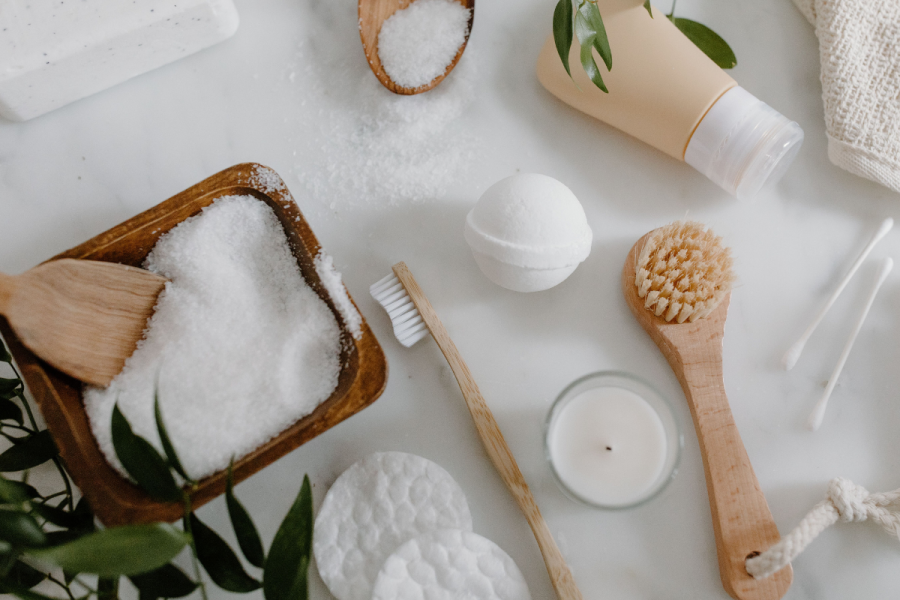
Salt stomping involves standing barefoot on a shallow layer of coarse sea salt or Epsom salt for between five and 10 minutes, often while completing an evening skincare routine or listening to relaxing music. Supporters claim the practice helps reduce inflammation, improve circulation and activate the body's 'rest and digest' response.
Others believe minerals such as magnesium are absorbed through the soles of the feet, helping to ease stress and promote deeper sleep.
While those claims have helped the trend spread rapidly across social media, experts say there is currently no scientific evidence proving that standing on dry salt directly changes the body's stress response or sleep quality.
@tamsskyn 10 minutes of standing on salt while I do my skincare helps me feel more relaxed, grounded, and ready for bed. Save this and try it tonight. #holistichealth #longevity #healthy #wellness #skincare ♬ original sound - Tammy Weatherhead
Why Experts Say Your Brain Is Doing The Work
According to New York-based psychiatrist and Fountain chief medical officer Dr Doreen Zarfati, the benefits people report are more likely linked to the calming routine than the salt itself.
Speaking to Harper's Bazaar, she said, 'My first reaction as a physician is that the salt itself isn't doing what people think — but that doesn't mean the ritual isn't useful.'
Dr Zarfati said that no evidence standing on salt crystals can change serotonin or cortisol levels, nor is there proof that magnesium is absorbed through the soles of the feet in a way that resets the nervous system.
Instead, she believes the simple act of slowing down is what makes the biggest difference.
'Having a consistent wind-down ritual signals to the brain that it's safe to shift out of stress mode and into rest. If standing on salt is what allows you to slow down for ten minutes, I'm not going to argue with the result,' she said.
Why It Feels Like It Works
The explanation lies in psychology rather than chemistry.
Experts say our brains respond well to routine. Repeating the same relaxing activity each evening creates a mental cue that bedtime is approaching, making it easier to unwind.
Standing barefoot on textured salt crystals also provides continuous sensory feedback. That physical sensation encourages mindfulness by shifting attention away from anxious thoughts and onto the present moment.
Perhaps just as importantly, the ritual usually involves stepping away from phones and social media for several minutes. Reducing screen time before bed is already widely recommended as part of good sleep hygiene, making the quiet pause itself a likely contributor to feeling calmer.
@tamsskyn I do my entire skincare routine standing on a pile of salt. Zero extra time. Completely changed my sleep. 10mins is all you need #skincare #sleep #holistichealth #wellness ♬ A sprinkle of happiness - asa palette cafe
What Science Supports – And What It Doesn't
Some aspects of the trend have genuine merit, but not necessarily for the reasons promoted online.
Coarse salt acts as a natural exfoliant, helping remove dry skin from the feet. Some people may also enjoy the gentle massage-like feeling created by standing on uneven crystals after a long day.
However, experts say claims that dry salt can reduce inflammation, improve circulation or deliver magnesium through the feet remain unsupported by strong scientific evidence. Internist and longevity specialist Dr Amanda Kahn, in the same Harper's Bazaar report, agrees that the behavioural aspect is where the real value lies.
She recommends evidence-based ways to regulate the nervous system, including meditation, breathing exercises, regular physical activity, quality sleep, spending time outdoors and maintaining meaningful social connections.
'Any rituals that encourage mindfulness and relaxation do reduce stress and improve overall well-being, so I think that the mental benefits are likely behavioural more than physiologic with standing on salt,' she said.
Should You Try It?
For most healthy adults, trying salt stomping is unlikely to be harmful, provided they do not have open cuts, skin infections or painful foot conditions that could be irritated by coarse crystals. The more important lesson, however, is that people do not need a tray of salt to enjoy the same psychological benefits.
Whether it's reading a book, stretching, practising breathing exercises or simply sitting quietly with a cup of herbal tea, any consistent bedtime routine can help signal to the brain that it is time to relax.
Salt stomping may be the latest TikTok wellness trend, but experts say its greatest strength isn't hidden inside the crystals. It's the mindful pause, the break from screens and the simple habit of slowing down that appear to make the biggest difference.
For those searching for better sleep, that's perhaps the most valuable takeaway of all: sometimes the brain is the real wellness tool, and the ritual—not the trend—is doing the heavy lifting.