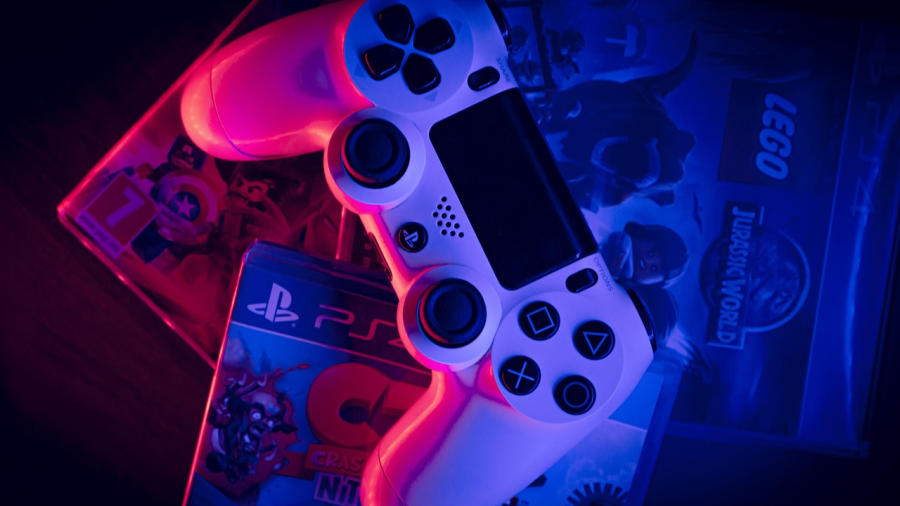
Sony has officially confirmed that new PlayStation games will no longer launch on physical discs from January 2028, marking one of the biggest changes in the brand's history. While the company says the move simply reflects how most people now buy games, the announcement has reignited a much bigger debate.
For many players, the real concern is no longer the disappearance of plastic cases from shop shelves. It is whether buying a digital game still means owning it at all.
Sony Confirms the End of New PlayStation Discs
Sony Interactive Entertainment announced that all new PlayStation titles releasing from January 2028 will be available only in digital formats. Players will still be able to purchase games through the PlayStation Store or from retailers, but boxed copies will contain digital codes instead of physical discs.
The company stressed that the change will not affect games released before January 2028, which will continue to exist in disc format. Sony described the decision as a natural response to changing consumer habits, saying digital purchases have significantly overtaken physical media.
According to Sony, the move allows the company to focus on improving how players access games while still giving customers the choice of purchasing through retailers or directly from the PlayStation Store.
The Bigger Issue Than Discs
For many gamers, the biggest talking point is not the disappearance of discs but what they represented. A physical disc gave players something permanent. It could be kept, sold, lent to a friend or played years later without depending on an online storefront.
@ign Sony has announced physical disc production ends in January 2028 for new games releasing on PlayStation consoles. This new policy will cover all games released on PlayStation consoles from all publishers after this cut-off date, which some analysts believe hints at when the PS6 will be released. #gaming #playstation
♬ original sound - IGN Entertainment - IGN Entertainment
Digital purchases work differently because players are buying a licence to access a game through Sony's ecosystem. That distinction has fuelled growing concerns that gamers are slowly moving away from ownership and towards long-term access that ultimately depends on the platform holder.
Critics Raise Consumer Concerns
Gaming journalist Vikki Blake described the announcement as 'a body blow to consumer rights', arguing that physical games remain important for players who rely on trading in old titles or borrowing games from friends. She also warned that game preservation could become more difficult as more releases exist only in digital form.
Christopher Dring, editor of The Game Business, acknowledged that digital downloads now dominate PlayStation sales but said millions of physical games are still sold every year. He noted that the decision will also be difficult for retailers that continue to rely on physical game sales. Independent retailer Lootbox Gaming went even further, calling the move 'an attack' on gamers, collectors, developers and retailers who value physical ownership.
Past Decisions Fuel Concerns
The latest announcement has revived memories of Sony's earlier decision to remove more than 500 purchased films and television programmes from the PlayStation Store after its licensing agreement with StudioCanal ended. Although that situation involved video content rather than games, some players believe it highlighted the risks that can come with digital purchases when licensing agreements expire.
The decision has also renewed questions about the future of digital game ownership. Sony has not confirmed whether digital PlayStation games could one day be transferred, resold or permanently owned in a way that mirrors physical copies, leaving some players uncertain about what rights they will have over future purchases.
GTA 6 Signals the Future
Sony's announcement arrived only days after Rockstar confirmed that the highly anticipated Grand Theft Auto VI would also launch without a physical disc. Together, the two announcements suggest that digital distribution is becoming the standard for the biggest releases in the gaming industry.
For publishers, digital sales reduce manufacturing costs and simplify distribution. For players, they offer instant downloads without needing to visit a shop. However, those conveniences also come with fewer options to lend, trade or resell purchased games.
The Ownership Question Continues
From the company's perspective, digital distribution represents the future of gaming. Yet the conversation surrounding the announcement has become much bigger than discs themselves. Many players are asking whether paying full price for a digital title should guarantee permanent ownership, especially if access depends on online services that could eventually change or disappear.
Sony has not indicated that purchased PlayStation games will be removed or become unplayable because of this policy. However, the company's decision has intensified an industry-wide debate over what it really means to 'own' a game in an increasingly digital world. As physical media gradually disappears, that question is likely to remain just as significant as the games themselves.