It didn't take long for the Swatch x Audemars Piguet 'Royal Pop' collaboration to move from anticipated release to full-blown retail chaos. What was pitched as a light-hearted meeting of two very different Swiss watch worlds ended up drawing huge crowds, fast resale listings and plenty of debate about what luxury looks like in 2026.
Outside Swatch stores in cities including Paris, London and Kuala Lumpur, queues formed earlier than expected, and in some locations grew quickly enough to overwhelm staff. The excitement was visible, but so was the pressure—with several stores struggling to manage demand as the day unfolded.
When a 'Fun Drop' Becomes Something Bigger
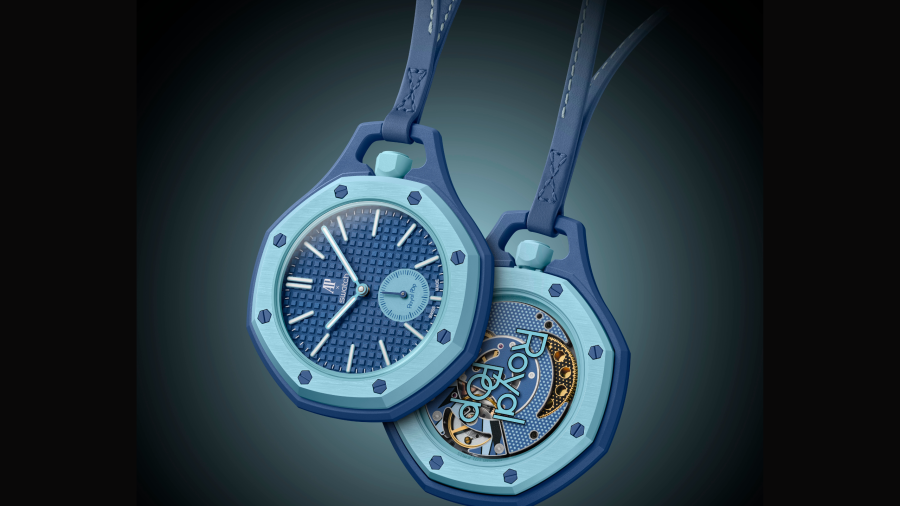
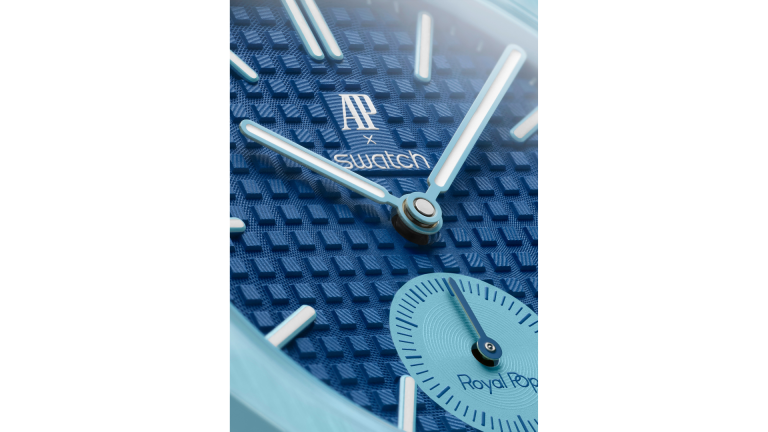
At its core, 'Royal Pop' is a straightforward idea. Audemars Piguet's Royal Oak — one of the most recognisable designs in luxury watchmaking — has been reworked through Swatch's more playful, colour-led design language.
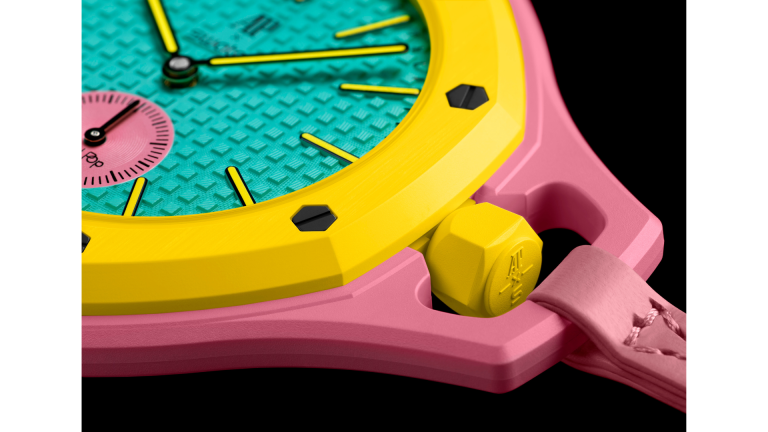
The result is a series of pocket watches in bold shades, designed to be worn around the neck or clipped onto bags using lanyards rather than traditional straps. It's less about function in the classic sense of horology and more about styling—something that fits neatly into today's accessory-driven fashion landscape.
But once the collection actually landed in stores, the mood shifted quickly. In some locations, crowds became so dense that sales had to be slowed or paused altogether. In others, additional security was reportedly brought in to manage queues that stretched into surrounding shopping areas.
Swatch later reminded customers that the collection would remain available for months and asked people not to rush to stores in large numbers. Still, by that point, the momentum had already built its own rhythm.
The Appeal is Simple — and That's The Point
Part of what made 'Royal Pop' take off so quickly is how easy it is to understand. There's no complicated concept behind it: take a luxury design language, reinterpret it in a more accessible form, and release it in limited quantities.
That combination — recognisable luxury plus relative affordability — is exactly what tends to drive modern hype cycles.
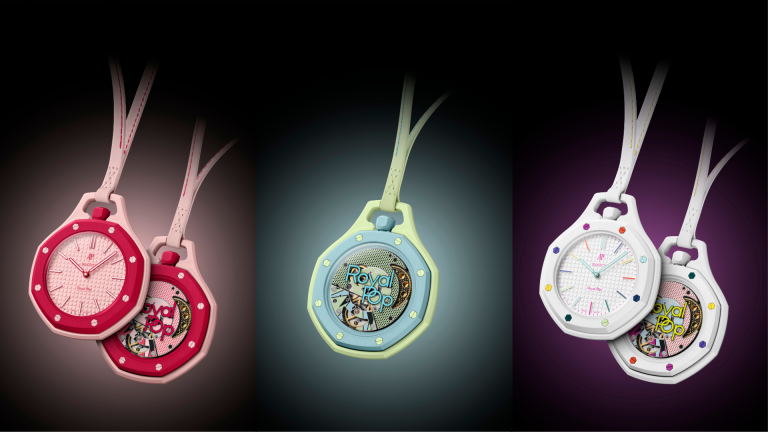
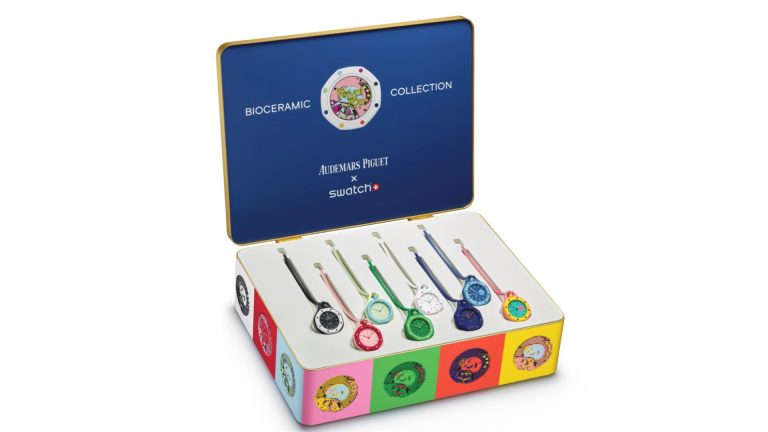
The watches are priced around $400–$420 (£315–£330), which places them far below Audemars Piguet's usual entry point of tens of thousands of pounds. Each piece carries references to the Royal Oak's distinctive geometric design, but with eight different colour variations that push it firmly into fashion territory rather than traditional watch collecting.
Instead of leather straps or metal bracelets, the watches come with lanyards, making them feel closer to wearable accessories than classic timepieces. Inside, Swatch's SISTEM51 movement keeps things mechanically simple, reinforcing the idea that this is more about design than technical horology.
From Store Queues to Resale Spikes
As has become increasingly common with limited fashion releases, the secondary market reacted almost immediately.
Within hours, listings began appearing online at several times retail price, with some reaching into the thousands of pounds depending on colourway and demand. That shift — from product to resale asset — has become almost expected in hype-driven drops, but it still changes the tone of the release.
What starts as a design collaboration quickly turns into something closer to speculation, where availability matters as much as aesthetics.
And that shift tends to feed back into the demand itself.
A Collaboration That Splits Opinion
Reaction among watch enthusiasts has been divided, though not particularly surprising given the brands involved.
For some, the collaboration is a smart way to open up luxury design language without fully stripping away its identity. Swatch has long played a role in making Swiss watch culture more accessible, and this feels like an extension of that approach—just on a much more visible global stage.
Others are more cautious. The concern isn't necessarily about the product itself, but about perception. Audemars Piguet sits firmly in the ultra-luxury space, and even a short-term association with a lower price point can spark debate about how the brand is viewed over time.
It's less about the watch in isolation and more about what it represents in the wider hierarchy of luxury.
Why This Drop Feels Different
There have been plenty of high-low collaborations in fashion over the years, but 'Royal Pop' stands out because of how quickly it escalated beyond the product itself.
The combination of limited stock, strong visual identity and a well-known luxury name created the conditions for instant demand. Add social media into the mix, and the release became something far bigger than a standard product launch.
Crowds weren't just reacting to a watch—they were reacting to the idea of owning a moment that was already circulating online.
That's where modern fashion releases increasingly live: somewhere between retail and performance.
More Than Just Watches on Display
There's also a broader industry story sitting underneath all of this. Collaborations like this are no longer unusual. In fact, they've become a key strategy for luxury and mainstream brands alike, each trying to borrow something from the other—reach, credibility, or cultural relevance.
Swatch gains visibility and footfall. Audemars Piguet gains exposure to audiences who might not otherwise engage with high-end watchmaking. But the trade-off is unpredictability, especially when demand moves faster than logistics can realistically handle.
And in this case, it moved very quickly.
A Release Defined as much by reaction as product
In the end, 'Royal Pop' may be remembered less for the watches themselves and more for everything surrounding them—the queues, the resale surge, and the conversations it triggered about what luxury is becoming.
It sits in that increasingly familiar space where fashion is no longer just about what is sold, but about how loudly it travels once it is released.
Whether that is a success or a warning sign probably depends on who you ask.