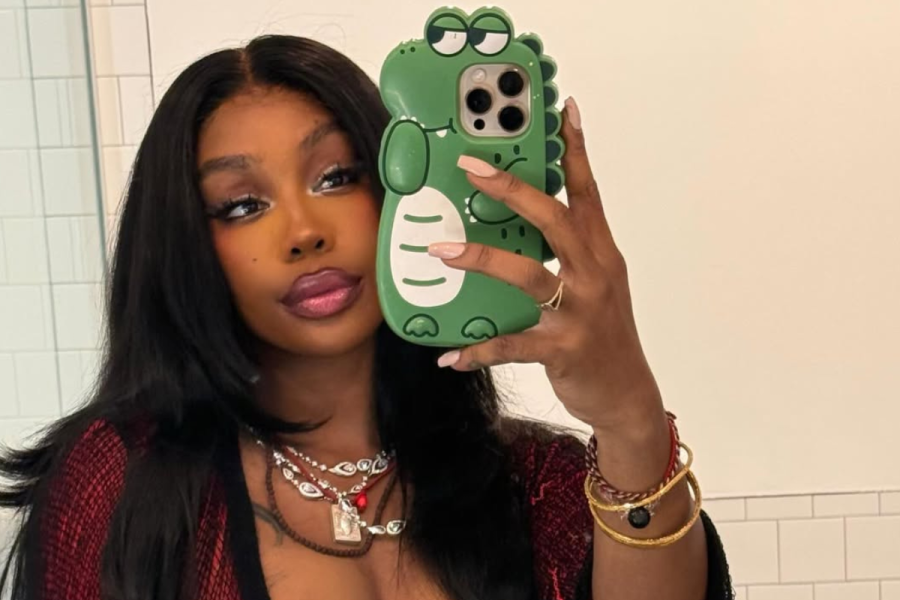
SZA's comments quickly spread across social media after screenshots of her post began circulating online. Fans and fellow musicians reacted strongly to her claim that artificial intelligence had been trained on hundreds of her songs. The discussion soon expanded beyond her fan base and into wider conversations about copyright and creative ownership.
The singer appeared especially upset by the possibility that some unreleased material may have been included in AI training datasets. Many artists view unreleased work as highly personal because it often contains unfinished ideas and creative experiments. For that reason, some supporters argued that using such material without permission would raise serious concerns.
SZA Joins Growing List of Artists Challenging AI
SZA's remarks add her name to a growing number of musicians who have questioned how artificial intelligence is being trained. Her criticism reflects concerns shared by many artists who believe creative work should not be used without permission. The singer's comments quickly gained attention as fans debated the role of AI in music.
The issue is particularly significant because SZA is one of the most influential voices in modern R&B. With multiple Grammy Awards and chart-topping albums, her views carry weight within the industry. Her public criticism has helped bring the conversation about AI and artist rights to a wider audience.
Why Artists Are Concerned About AI Training
Artificial intelligence systems learn by analysing large amounts of existing content. These datasets can include music, books, photographs, videos, and other materials gathered from various sources. The goal is to help AI recognise patterns and generate new content based on what it has learned.
SZA denounces AI music after discovering 238 of her songs were used to train artificial intelligence:
— Pop Crave (@PopCrave) June 21, 2026
“If you’re a musician and you support this degenerate sh*t? You’re disgusting and there’s NOTHING YOU COULD EVER SAY TO ME TO MAKE THIS OKAY” pic.twitter.com/FPltE2fsaC
Many artists believe their work is being used without clear permission or compensation. They argue that AI tools benefit from years of creative labour while creators may receive little recognition in return. This concern has become one of the biggest issues facing the creative industries.
SZA on artists using AI in music:
— SZA Stats (@szaonstats) June 20, 2026
“I don't wanna work with anyone who uses AI in music, anyone who uses Suno, or any of these f*ck ai fuck generative software to create false sovcals into art in general, kiss my ass, unfollow me right now and never fucking talk to me again.” pic.twitter.com/u4sqktaTsv
Musicians are particularly worried because AI technology can now imitate musical styles, lyrics, and even vocal performances. Some fear that AI-generated songs could compete with human-made music in the future. Others worry that fans may struggle to tell the difference between genuine artistic work and computer-generated content.
Music Industry Faces Growing AI Battle
The dispute over AI training is not limited to SZA alone. Over the past few years, several musicians and record labels have voiced concerns about how artificial intelligence is being developed. Some have even called for stronger copyright laws to protect creators.
At the same time, technology companies have defended the use of AI, saying it can help artists explore new ideas and improve creative workflows.
@jay.gov The story BEHIND SZA’s stance. #sza #blacktiktok #ai #fyp
♬ original sound - Jay.
Supporters of the technology argue that innovation should not be restricted unnecessarily. They believe AI can become a useful tool when used responsibly.
What Happens Next?
SZA's comments have brought renewed attention to a debate that is already shaping the future of entertainment. The issue affects not only musicians but also writers, actors, filmmakers, and visual artists. Many creative professionals are closely watching how governments and courts respond.
Comment
by u/ZeeGee__ from discussion
in aiwars
Industry experts expect more discussions about copyright and licensing in the coming years. Lawmakers in several countries are already examining whether existing rules provide enough protection for creators. Any future decisions could have a major impact on both artists and technology companies.
For now, the debate remains far from settled. While some people see AI as a powerful creative tool, others believe stronger safeguards are necessary. SZA's viral statement has ensured that the conversation will continue as the music industry grapples with the challenges of the AI age.