Fashion has always moved in cycles, with styles resurfacing in new forms every few decades. This phenomenon is not limited to one generation or cultural moment—it is a recurring pattern that reflects society's evolving tastes and priorities. Over the past century, trends have swung from flapper dresses in the 1920s to longer, more conservative styles in the 1950s, followed by miniskirts in the 1960s and bold prints in the 1980s. Each wave of style incorporates the previous era while adapting to contemporary values.
Historically, fashion cycles often span 15 to 25 years, providing designers with a framework to reinterpret past influences in innovative ways. These cycles are shaped by cultural, economic, and technological factors, ensuring that each revival offers something both familiar and fresh.
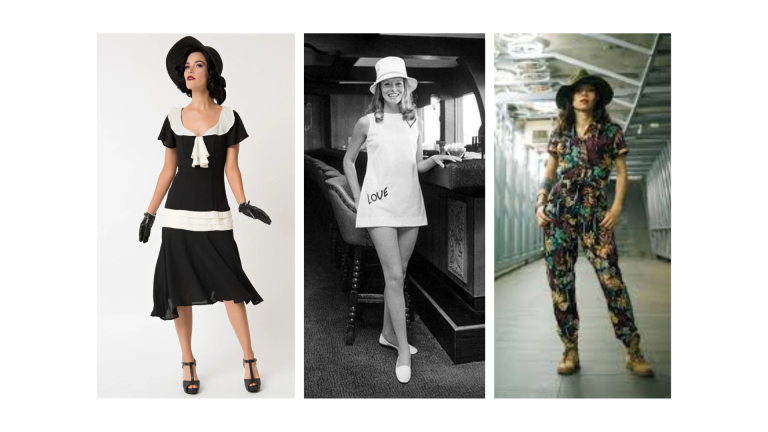
The Principles Behind Style Recurrence
Several key principles drive the recurrence of fashion trends. One is the tension between conformity and individuality: people desire to fit in socially while expressing personal identity. This push-and-pull encourages styles to evolve, peak, fade, and eventually reappear. Hemlines, waistlines, silhouettes, and fabric choices oscillate as designers and consumers negotiate this balance.
Another factor is cultural storytelling. Fashion often reflects societal values, from the liberation movements of the 1920s flapper to the utilitarian styles of the 1940s war era. Understanding these patterns allows us to see why certain elements, such as statement shoulders or high-waisted trousers, re-emerge with renewed meaning.
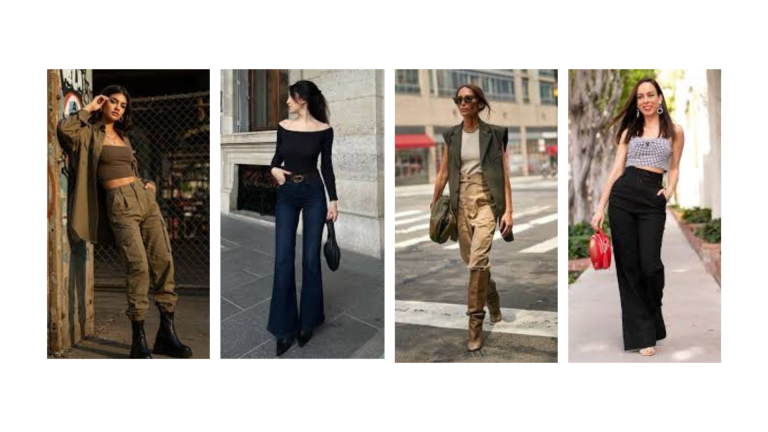
Case Studies of Past Fashion Revivals
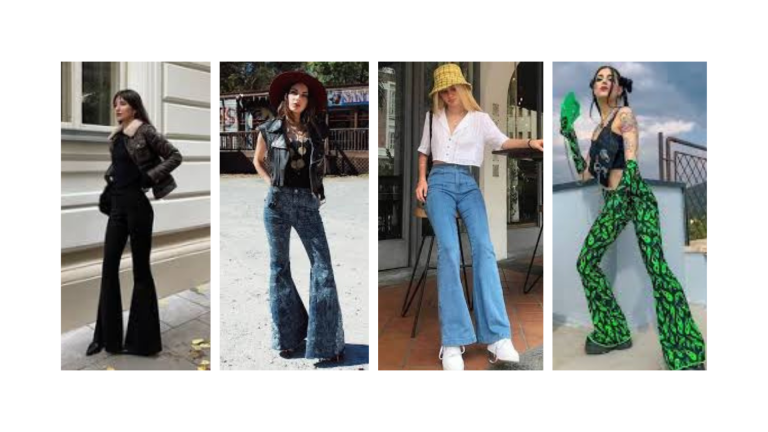
Looking back, several fashion cycles illustrate just how consistently trends return—often with a slight twist that reflects the mood of the moment. In the 1970s, bell-bottom trousers became a symbol of freedom and rebellion, echoing the laid-back spirit of the 1960s hippie movement. By the 1990s, that same decade was reimagined through a grittier lens, as grunge fashion borrowed from 1970s punk—think worn-in denim, oversized layers, and a deliberate rejection of polish.
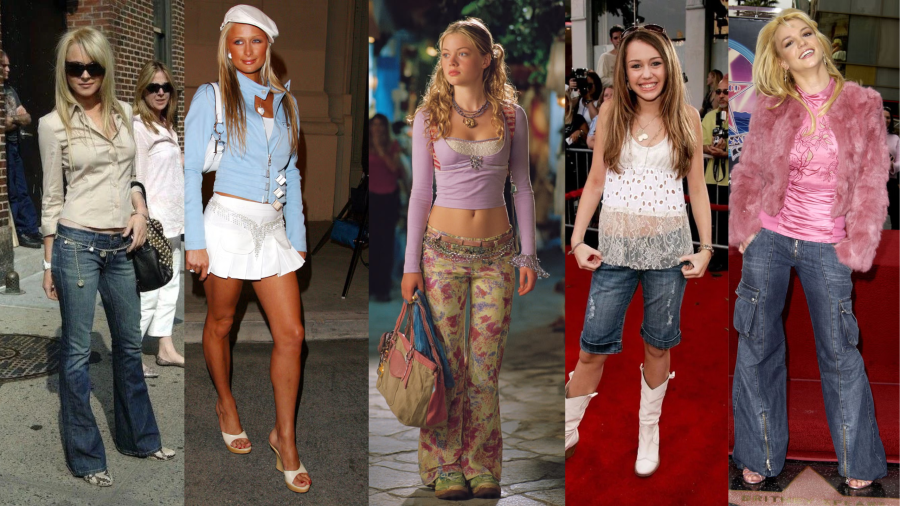
The early 2000s followed a similar pattern, pulling heavily from both the boldness of the 1980s and the minimalism of the 1990s. Metallic fabrics, low-rise trousers, logo-heavy accessories, and body-conscious silhouettes defined the era. What's interesting is how those looks, once considered overly flashy or even dated, now feel fresh again—largely because they're being styled differently.
What changes each time isn't just the clothes, but the attitude behind them. A low-rise jean in the 2000s might have been styled with a fitted top and heels; today, it's just as likely to be paired with an oversized jacket or trainers, giving it a more relaxed, streetwear-inspired feel.
These shifts highlight an important point: fashion doesn't repeat itself exactly—it reinterprets. Fabrics, cuts, and colours evolve, but the core ideas remain. Certain silhouettes, like flared trousers or mini skirts, keep resurfacing because they carry cultural meaning and visual impact that resonate across generations.
In that sense, fashion becomes a kind of shared language. Each revival is a conversation between past and present, where familiar pieces are given new context — and new relevance — by the people wearing them now.
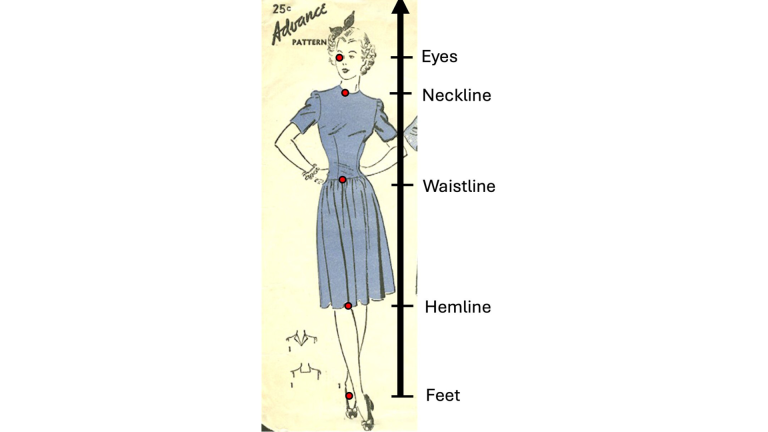
Technology and the Study of Fashion Patterns
The increasing availability of historical clothing archives and digital imagery allows for deeper analysis of fashion cycles. Researchers use patterns, runway archives, and museum collections to quantify features such as hemlines, waistlines, and necklines. These tools make it possible to trace long-term trends and understand the rhythms that shape global fashion.
Quantitative study of these patterns helps designers and historians appreciate the interplay between creativity, social context, and consumer behaviour. While specific brands or seasonal collections change, the underlying cycles remain consistent, offering valuable insight into the evolution of style.
Sustainability, Nostalgia and the New Way of Dressing
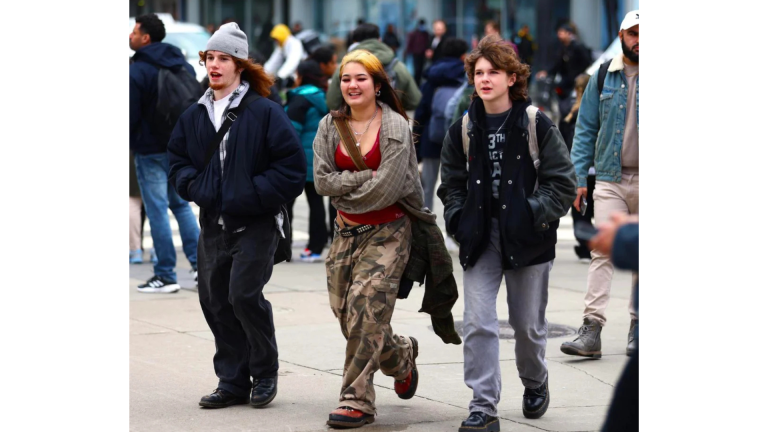
Gen Z's love for 2000s fashion isn't just about aesthetics—it's also changing how people shop. Instead of buying everything new, many are turning to vintage stores, resale apps, and charity shops to find original pieces from the era. A pair of low-rise jeans or a beaded shoulder bag suddenly feels more special when it comes with a bit of history attached.
This shift has made fashion feel more circular. Trends don't just come back—they're often literally re-worn and re-styled, giving older garments a second life. It's a quieter, more practical form of sustainability that fits naturally with Gen Z's mindset: buy less, but choose pieces with personality.
At the same time, there's a growing appreciation for items that last beyond a single trend cycle. Well-cut trousers, structured jackets, or a great pair of boots can move easily between eras, proving that even in a trend-driven moment, longevity still matters.
How Cities Like London Shape the Trend
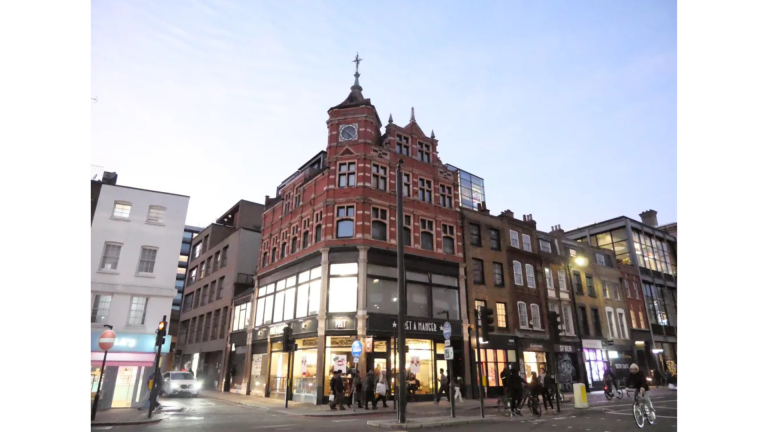
If you want to see this revival in action, London is one of the best places to look. Walk through Soho or Shoreditch, and you'll spot early 2000s references everywhere—from cargo trousers paired with sleek blazers to vintage denim styled with modern trainers.
What makes it interesting is how these looks aren't copied exactly. Instead, they're mixed with today's influences, creating something that feels current rather than costume-like. A 2000s-inspired outfit might be grounded with minimalist accessories or tailored outerwear, giving it a more polished, wearable edge.
Fashion capitals like London have always worked this way. They take familiar ideas and reshape them through culture, music, and street style, turning nostalgia into something new.
What Comes Next?
So if the 2000s are back, what happens after that? The answer isn't as simple as moving neatly into the next decade. While fashion has often followed a loose 20-year rhythm, today's landscape is far less predictable.
Instead of one dominant trend, we're seeing multiple eras exist at once. Y2K sits alongside 90s minimalism, 70s tailoring, and even early 2010s influences starting to creep back in. It's less about strict cycles and more about freedom to choose.
That's what makes this moment different. Gen Z isn't just reviving trends—they're curating them, picking elements from different decades and making them their own.
Why This Shift Matters
Ultimately, the return of 2000s fashion says less about nostalgia and more about how people want to dress now. There's a clear move towards individuality, flexibility, and self-expression, rather than following a single rulebook.
Trends may still come and go, but the way we engage with them has changed. Instead of replacing one style with another, fashion has become a conversation between past and present — and that's what will shape whatever comes next.