
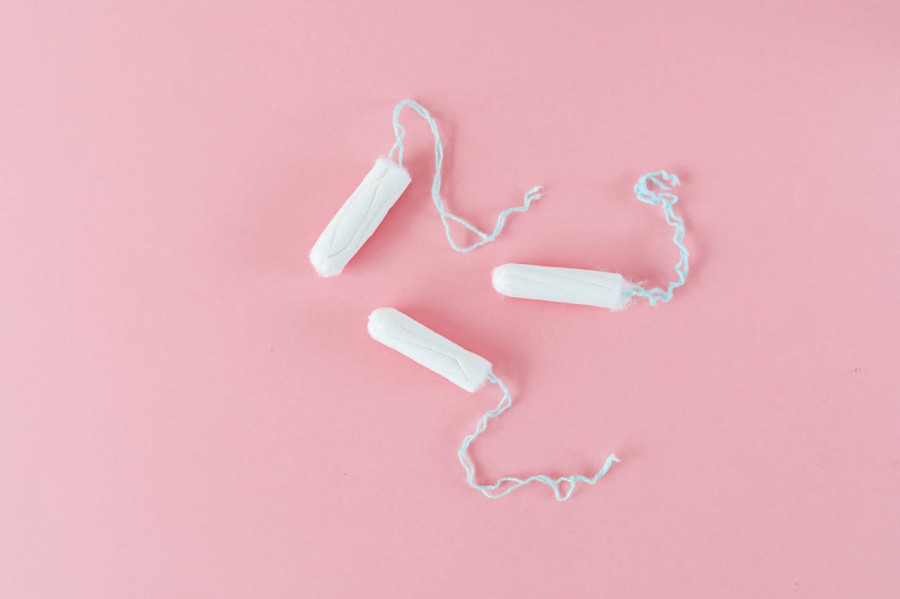
A British mother has spoken out after discovering she had unknowingly left a tampon inside her body for six weeks—a mistake that led to alarming symptoms and a hospital visit.
Her experience is now being shared as a warning about toxic shock syndrome (TSS). It's a rare but potentially life-threatening infection linked to tampon use when menstrual products are left in for too long. Health experts say cases like this highlight how easily people can overlook the signs of a retained tampon and why understanding safe tampon use is crucial.
Tampon Left Inside for Six Weeks
The incident came to light when Hollie Smith, a UK mum, began experiencing unusual symptoms that did not initially seem connected to her menstrual health. She observed persistent brown discharge, bleeding between periods, fatigue and pain during sex, according to a report by Metro.
The signs didn't seem scary at first. They were rather confusing. Many women experience irregular bleeding or discharge at some point, so it wasn't clear what was causing it.
When the symptoms continued, Smith eventually sought medical help. Doctors later discovered the issue. It was a tampon that had been left inside her vagina for around six weeks. Once it was removed, the symptoms began to go away.
While the case did not progress to toxic shock syndrome, doctors warned that leaving a tampon in for an extended period significantly increases the risk of infection. Medical professionals say the situation is more common than many people realise, particularly when a tampon is forgotten after a light period day or when a second tampon is inserted accidentally.

What Is Toxic Shock Syndrome (TSS)?
Toxic shock syndrome or TSS is a rare but serious illness caused by toxins released by certain types of bacteria, including Staphylococcus aureus or Streptococcus. The infection can develop rapidly and requires urgent medical treatment.
Although TSS has historically been associated with tampon use, it can also occur from other infections, wounds, or surgical procedures.
The condition is extremely uncommon in the UK. Health guidance notes that only around 20 cases are reported nationwide each year, making it rare but still serious enough to warrant awareness.
Symptoms of TSS often appear suddenly and can resemble severe flu. According to NHS guidance, warning signs include:
- High fever
- Vomiting or diarrhoea
- Muscle aches
- A rash that looks similar to sunburn
- Dizziness or fainting
- Confusion or feeling extremely unwell
If someone using tampons experiences these symptoms, they should remove the tampon immediately and seek medical advice.
How Long Is Too Long?
Tampons themselves are considered safe when used correctly. However, leaving one inside the body for too long can allow bacteria to grow and potentially release toxins.
Health authorities advise that tampons should be changed regularly — usually every four to six hours, depending on menstrual flow. Most tampon packaging recommends not exceeding eight hours of continuous use.
Using tampons with unnecessarily high absorbency can also increase the risk of irritation or bacterial growth. This is why doctors often recommend choosing the lowest absorbency needed for your flow.
In everyday life, forgetting a tampon can happen more easily than people expect. It can be hard to tell if a tampon has been taken out when you are travelling, swimming, or switching between pads and tampons.
For example, someone might insert a fresh tampon without realising the previous one is still in place. It's a scenario doctors say they see fairly often in clinics.

Practical Advice for Safer Tampon Use
Health authorities offer simple steps to reduce the already low risk of TSS.
First, change tampons regularly, ideally every four to six hours. This helps prevent bacterial growth and keeps the vaginal environment healthy.
Second, use the lowest absorbency tampon necessary for your period flow. A higher absorbency tampon can stay in place longer, increasing the likelihood that someone forgets to change it.
It is also recommended to:
- Wash hands before and after inserting a tampon
- Use only one tampon at a time
- Alternate between tampons and pads during your period
- Remove the final tampon once your period ends
For overnight use, some people prefer switching to pads to avoid wearing a tampon longer than recommended.
Experts emphasise that tampons remain a safe menstrual product when used correctly. The key risk arises not from the product itself but from leaving it in for extended hours.
Recognising When Something Isn't Right
Smith's experience highlights why unusual symptoms during or after a period should not be ignored. Signs that may indicate a retained tampon or infection include:
- Persistent brown or foul-smelling discharge
- Bleeding between periods
- Pelvic discomfort or pain during sex
- Unusual fatigue or feeling unwell
While these symptoms do not necessarily mean toxic shock syndrome, doctors advise seeking medical advice if they persist. Be aware, not scared. This is the message health professionals want people to take away.
TSS remains rare, but understanding how to use tampons safely — and recognising warning signs early — can help prevent complications and ensure menstrual products are used confidently and safely.