
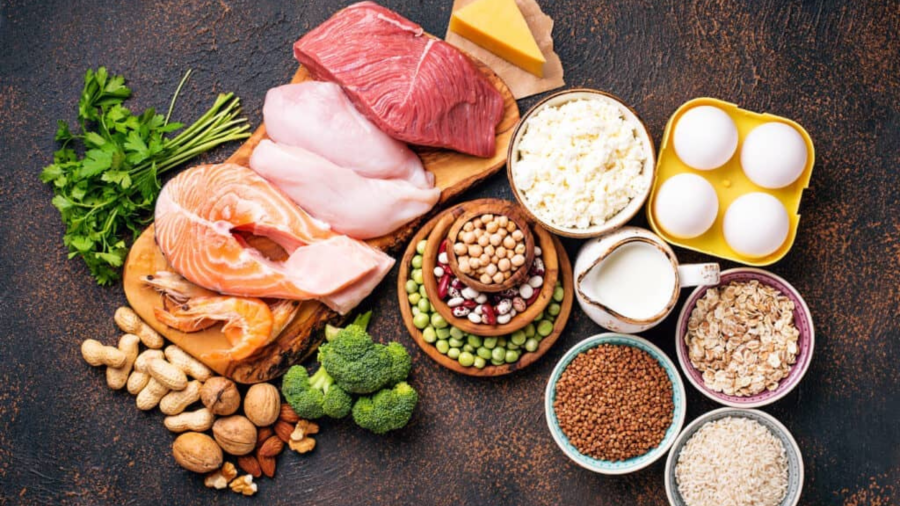
In a world where busy lifestyles and wellness trends collide, protein has emerged as a nutritional superstar. Often lauded for its role in building muscle, protein does so much more: it supports your immune system, helps regulate hormones, strengthens bones, and keeps you feeling full long after your last bite. For years, eggs have been a simple go-to, but there is a growing curiosity about other foods that can deliver even more protein per serving.
Understanding protein-rich foods isn't just for gym-goers or athletes—it's for anyone who wants to feel energised, maintain healthy body function, or simply enjoy satisfying meals. As dietary habits evolve, knowing how to incorporate protein into your day is becoming essential for people of all ages.
Why Protein Matters
Protein is made of amino acids, the building blocks that support nearly every system in the body. Beyond muscle repair, it aids in producing enzymes and hormones, contributes to healthy skin and hair, and even helps regulate appetite by keeping you full.
Current nutritional guidelines suggest that 10–35% of daily calories should come from protein, with an average adult requiring around 50 grams per day. However, the exact amount depends on factors such as activity level, age, and overall health. Older adults, for instance, may need slightly higher protein intakes to prevent muscle loss, while highly active individuals may require more to support recovery and performance.
Protein-Packed Animal Sources
Chicken and Turkey
Lean poultry has long been celebrated as a protein staple. A modest portion of cooked chicken or turkey breast provides over three times the protein of a large egg. These meats are complete protein sources, meaning they supply all essential amino acids your body cannot make on its own. Beyond protein, they offer B vitamins, selenium, and zinc, supporting energy metabolism and immune function.

Fish and Seafood
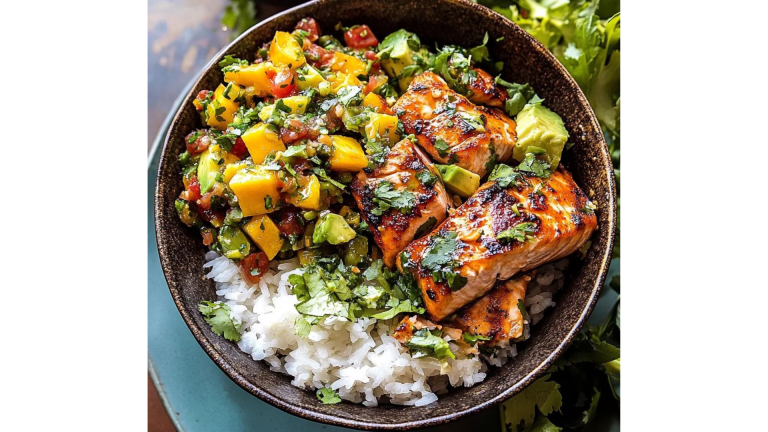
Fish and seafood are nutritional powerhouses. Salmon, tuna, and shrimp provide high-quality protein alongside beneficial omega-3 fatty acids, vitamin D, and trace minerals such as selenium. They are convenient, versatile, and can be included in quick weeknight dinners, salads, or as part of a hearty brunch.
Even for those who do not eat seafood regularly, canned or frozen options offer an easy, long-lasting way to include protein in your diet. Portion control is key, especially with certain types like tuna, where mercury content may be a consideration for pregnant or breastfeeding individuals.
Eggs and Dairy
While we often compare other foods to eggs, they remain a reliable source of high-quality protein, providing around six grams each. Dairy products such as Greek-style yoghurt or cottage cheese are also excellent protein sources, often offering double the protein per serving compared with a single egg. They contain calcium and B vitamins, which contribute to bone health and energy production.

Plant-Based Protein Options
Increasingly, plant-based diets are encouraging a broader view of protein. Fortunately, there is no shortage of options for those avoiding meat.
Legumes
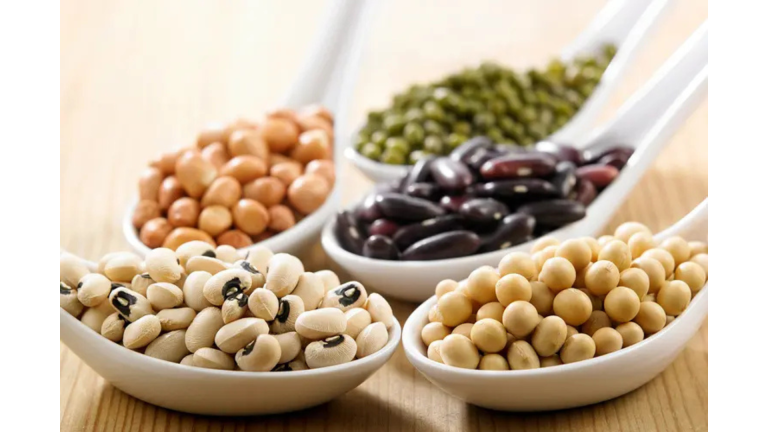
Chickpeas, lentils, black beans, and other legumes are protein-rich and fibre-packed. Beyond their amino acid content, they provide essential minerals such as iron, magnesium, and folate. Legumes are also affordable, shelf-stable, and highly versatile. They can be tossed into salads, made into soups, or roasted for a crunchy snack.
Soy-Based Foods
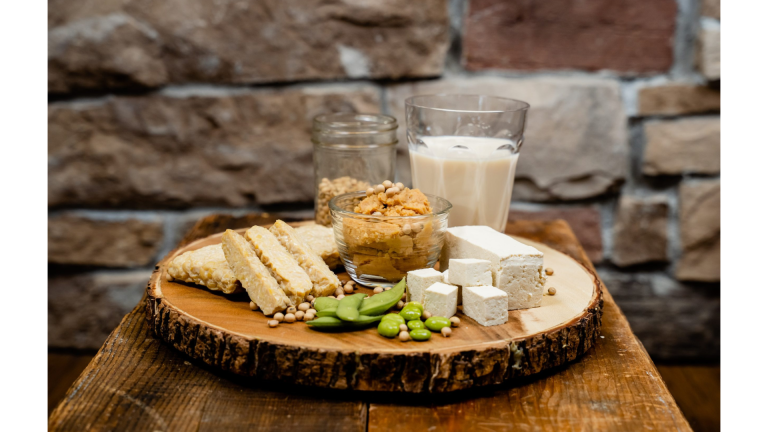
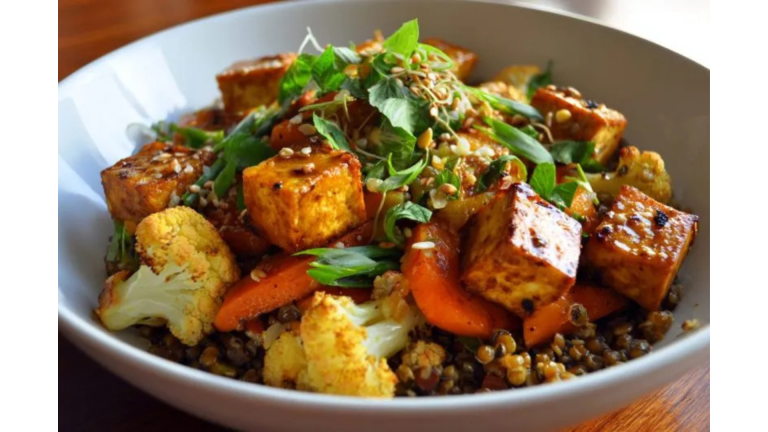
Edamame and tofu are rare examples of plant-based complete proteins, offering all essential amino acids. Tofu's mild flavour and adaptable texture make it ideal for stir-fries, curries, and even baked dishes, while edamame is a simple snack or side.
Nuts, Seeds, and Nut Butters
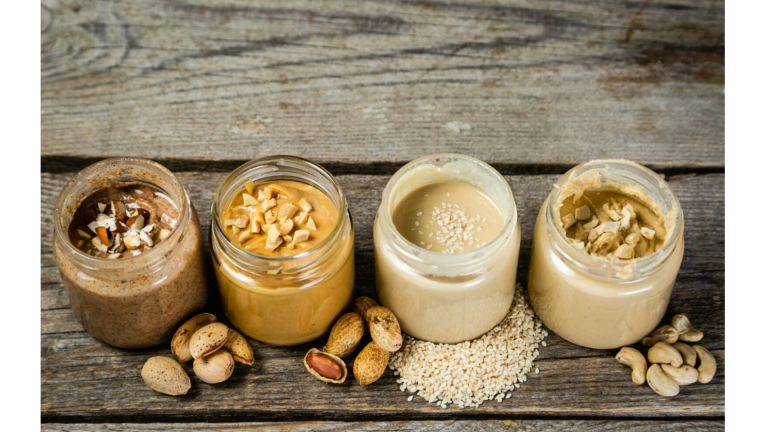
Almonds, pumpkin seeds, and nut butters deliver moderate amounts of protein along with heart-healthy fats, vitamin E, and fibre. They are convenient for snacks, sprinkled onto cereals or yoghurt, or blended into smoothies for an extra protein boost. Seeds like chia and pumpkin are especially nutrient-dense, offering antioxidants and minerals alongside protein.
Whole Grains
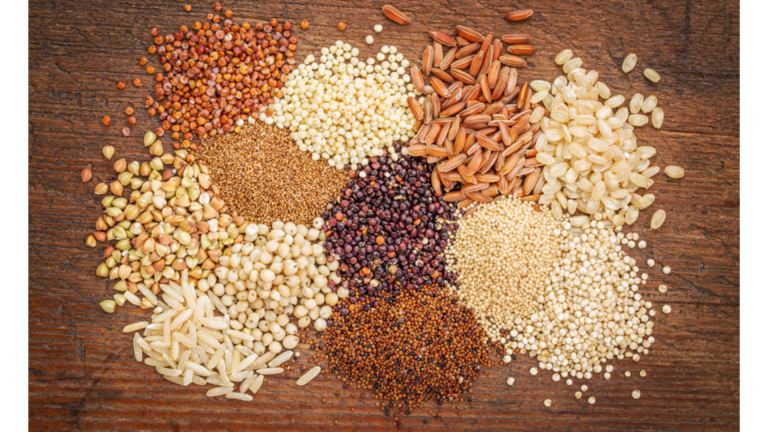
Quinoa is a complete protein that also offers fibre, antioxidants, and essential minerals. Other grains like oats, bulgur, and farro contribute smaller amounts of protein but are valuable when paired with legumes or dairy to create balanced, protein-rich meals.
How to Incorporate Protein Into Everyday Meals
Eating enough protein does not require rigid meal plans or expensive products. Small adjustments can make a significant difference:
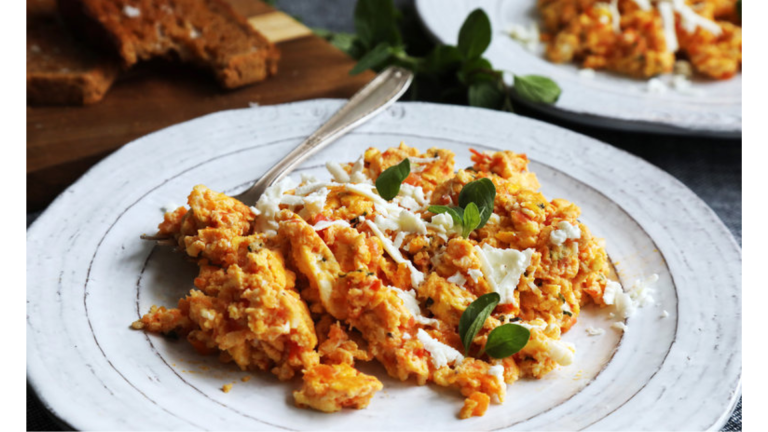
- Breakfast: Add Greek-style yoghurt, a handful of seeds, or scrambled eggs with beans.
- Lunch: Include lean meat or fish with whole grains and legumes for a complete protein profile.
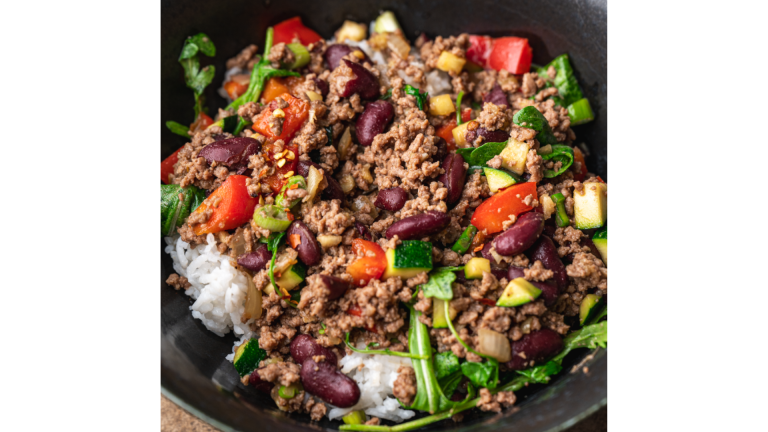
- Dinner: Combine plant-based proteins like tofu or lentils with vegetables and grains for a nutrient-rich plate.
- Snacks: Nuts, seeds, and nut butters offer portable, protein-packed options that keep hunger at bay.

A simple rule of thumb: aim for a source of protein in every meal. Doing so helps maintain energy levels, supports muscle recovery, and reduces the temptation to overeat later in the day.
Even small tweaks can make a big difference. Sprinkle seeds on your morning porridge, add a handful of beans to your salad, or keep a boiled egg or a few cubes of cheese handy for a quick snack. Over time, these little protein boosts add up, helping you stay full, fuel your workouts, and support overall health without feeling like a chore.
Protein in Cultural Context
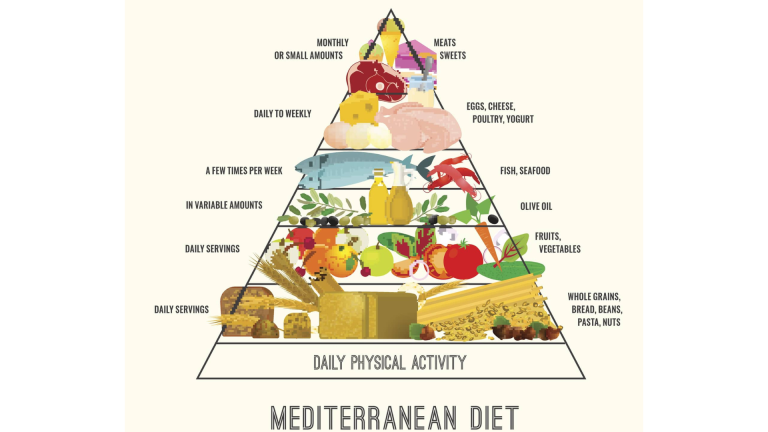
Across cultures, protein has always played a central role in the diet. Traditional British meals often included eggs, milk, and meat, while Mediterranean diets emphasise fish, legumes, and nuts. Asian cuisines frequently combine soy-based proteins with rice or noodles to create balanced meals. Understanding these cultural habits can inspire more diverse and enjoyable ways to meet protein needs without relying on a single source.
Common Misconceptions About Protein
One of the biggest myths is that high-protein diets are only necessary for athletes. In reality, protein is essential for everyone, and under-consuming it can affect immunity, energy levels, and muscle maintenance.
Another misconception is that plant-based diets cannot provide sufficient protein. By mixing legumes, grains, nuts, and soy products, it's entirely possible to meet—and even exceed—daily protein requirements without animal products.
Protein and Long-Term Health
Research shows that adequate protein intake is linked to better muscle mass retention with age, improved bone density, and greater satiety, which can support weight management. Protein also plays a role in maintaining healthy skin, hair, and nails, and it supports recovery from illness or surgery.
Incorporating a variety of protein sources—both animal and plant-based—ensures a well-rounded intake of amino acids, vitamins, and minerals. This diversity is key to long-term health and vitality.
Practical Tips for Protein Planning
- Think in portions, not grams: A portion of chicken, fish, or beans roughly the size of a deck of cards or a fist is a good starting point.
- Mix and match: Combine plant-based proteins with grains or dairy to create complete amino acid profiles.
- Use protein to balance meals: Pair protein with fibre-rich vegetables or whole grains for better satiety and sustained energy.
- Consider convenience: Frozen fish, tinned beans, and pre-cooked lentils can make protein inclusion effortless.
- Adjust to your lifestyle: Active adults may need slightly more protein, while older adults should focus on maintaining muscle mass with protein-rich meals.
Final Thoughts
Eggs have been a dietary staple for centuries, but today's nutrition landscape is broader and more diverse than ever. From lean meats and fish to legumes, nuts, seeds, and whole grains, there are countless ways to get high-quality protein into your diet.
The key is variety, consistency, and balance. By incorporating a mix of protein sources into daily meals, individuals can support muscle growth, satiety, long-term health, and overall well-being. Protein isn't just for the gym—it's a building block for a healthy, energised life.
Evergreen advice like this ensures that no matter how dietary trends evolve, understanding the role of protein and how to include it in meals will always be relevant.