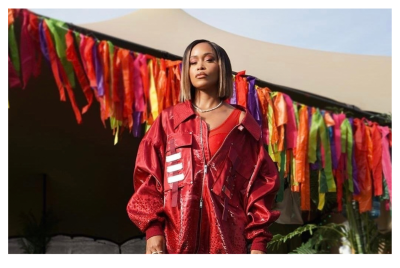
Zara McDermott is calling for stronger action to protect women and girls from online abuse, warning that misogyny has increasingly moved into digital spaces as technology becomes a bigger part of everyday life.
The television presenter and Refuge ambassador has spoken out about the growing impact of online violence against women and girls (VAWG), urging the government and technology platforms to take greater responsibility for creating safer online environments.
McDermott has spent several years documenting misogyny and violence against women and girls. She said she remains hopeful that attitudes can change, but is concerned that the online world is developing faster than society's ability to respond to the harms that can come with it.
Zara McDermott Highlights the Rise of Digital Misogyny
McDermott's concerns centre on the way technology has created new opportunities for abuse while allowing existing forms of misogyny, harassment and violence to spread quickly.
Social media platforms, dating apps and other digital services now play a major role in how people communicate, work and maintain relationships. According to McDermott, this means online abuse cannot simply be treated as something separate from real life.
She highlighted emerging forms of technology-facilitated abuse, including the use of deepfake technology for image-based abuse. She also pointed to the way online platforms can allow harassment and controlling behaviour to reach victims at a much greater scale and speed.
'Misogyny has gone digital. Our society needs to catch up,' McDermott wrote in her piece for Stylist, framing the issue as one that requires a wider response from governments, technology companies and society.
Research Shows the Impact on Women
Her concerns come alongside findings from a report by Refuge and the End Violence Against Women Coalition (EVAW), which surveyed 2,000 women in the UK about their experiences of online abuse.
The research found that 36 per cent of women surveyed had experienced some form of online violence against women and girls. Among women aged 16 to 24, the figure rose to nearly half. The report also identified several forms of online harm, including misogyny or sexual violence, coercive control, stalking, monitoring, harassment and image-based sexual abuse.
The findings showed that online abuse can also affect how women use digital platforms. Some women reported changing their online behaviour after experiencing abuse, while others stopped using particular platforms altogether. McDermott argued that women should not have to reduce their online presence in order to feel safe.


Calls for Safer Online Platforms
A key part of McDermott's message is the need for online safety to be considered when technology is designed, rather than relying solely on users to protect themselves after abuse has already happened.
She has called for platforms to improve the way they identify patterns of harassment and controlling behaviour across accounts and posts. She also wants survivors to be able to report abuse without having to provide evidence that may be difficult or unsafe for them to obtain.
The issue becomes particularly significant as artificial intelligence becomes more widely used. The Refuge and EVAW research found that 44 per cent of women surveyed regularly used an AI chat system, increasing to 80 per cent among women aged 16 to 24.
McDermott said safeguards need to keep pace with these developments, particularly as people increasingly use AI tools for personal advice and support.
McDermott Calls for Women To Feel Safe Online
McDermott's campaign builds on her previous work examining technology-facilitated abuse. In an earlier article for Glamour UK, she also argued that technology should not simply be viewed as a threat, highlighting its potential to help protect and empower women and girls when appropriate safeguards are in place.
Her latest comments focus on the need to make digital spaces safer without expecting women to withdraw from them. She has backed calls from Refuge and EVAW for stronger regulation, mandatory safety-by-design standards and improved training for police and prosecutors dealing with online violence against women and girls.
McDermott is also continuing to explore the real-world consequences of online abuse through her documentary work. Her message is that digital harassment should not be dismissed simply because it happens through a screen.
As technology continues to shape everyday communication, McDermott is using her platform to call for women and girls to be able to participate online without having to compromise their safety or visibility.