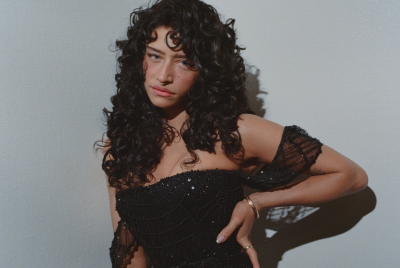

Anya Taylor-Joy has reignited Hollywood's method acting debate after a resurfaced interview clip spread across Reddit and social media on 1 August 2026. The Golden Globe-winning star of The Queen's Gambit argued that women cannot fully disappear into roles in the same way certain male actors are celebrated for doing because they still have responsibilities and face different expectations.
'If you'll notice, women don't method act because we have things to take care of,' Taylor-Joy said in the clip. Her remarks quickly became a wider conversation about whether behaviour framed as artistic commitment in men would leave a female performer labelled difficult, unprofessional or impossible to hire.
Taylor-Joy Draws a Line at Total Immersion
Taylor-Joy described acting as a form of 'controlled psychosis', explaining that performers can spend 16-hour days thinking, moving and eating like another person. However, she rejected the idea that immersion should continue at the expense of everyone else working on a production. 'If you're too invested in being an asshole, then that's not going to be very fun,' she said, adding that an actor has a responsibility to help hundreds of colleagues do their jobs well.
Anya Taylor-Joy about method acting:
— best of anya taylor-joy (@anyafolders) August 1, 2026
"If you'll notice, women don't method act because we have things to take care of, so we can't completely lose our minds. I see acting as a controlled psychosis in a way. You're pretending to be somebody else and having their thoughts 16 hours… pic.twitter.com/SF875cQTCV
The Furiosa: A Mad Max Saga actor did not use the word 'punished' in the viral excerpt, but that was the interpretation driving much of the online response. One of the most upvoted Reddit comments argued that a woman who copied even a fraction of the conduct associated with famous male method actors would be 'labelled difficult to work with and blacklisted'.
Other users challenged Taylor-Joy's broad wording, pointing out that women have also used immersive techniques and that men have responsibilities outside work too.
Method Acting Is Not Simply Staying in Character
The debate also exposed how loosely the term 'method acting' is now used. The Lee Strasberg Theatre and Film Institute defines the Method as a systematic approach that uses an actor's own experiences, imagination and senses to create psychologically detailed behaviour. It does not require a performer to remain in character around the clock or treat colleagues badly.
The institute has directly rejected the idea that causing emotional trauma to oneself or others is authentic Method work. Its explanation says the training is intended to create greater control and stability, not less. That distinction matters because viral stories about extreme transformations, isolation and disruptive on-set conduct are frequently placed under the same label, even when they bear little resemblance to formal Method training.
A Familiar Double Standard in Hollywood
Taylor-Joy's point follows a longer conversation among female actors about the practical and reputational limits placed on their process. Natalie Portman previously called total method acting a 'luxury' women cannot afford, while Kristen Stewart questioned why the popular image of the tortured, fully immersed performer remains overwhelmingly male.
Their comments do not suggest women are incapable of intense preparation, but that the freedom to make an entire workplace adapt to that preparation is distributed unevenly.
Taylor-Joy has built her career through roles that demand visible transformation and sustained psychological intensity. She broke through as Thomasin in Robert Eggers' The Witch, became a global star as chess prodigy Beth Harmon in The Queen's Gambit and later took on the title role in Furiosa: A Mad Max Saga.
Her argument is therefore not against commitment itself, but against using commitment as permission to make a production harder for everyone else.
The viral clip ultimately lands on a simple workplace principle. Actors may disappear into characters while the camera is rolling, but Taylor-Joy believes they remain responsible for how they treat the people around them once it stops.
For women, she suggested, forgetting that boundary is less likely to be mythologised as genius and more likely to become a career-defining reputation.