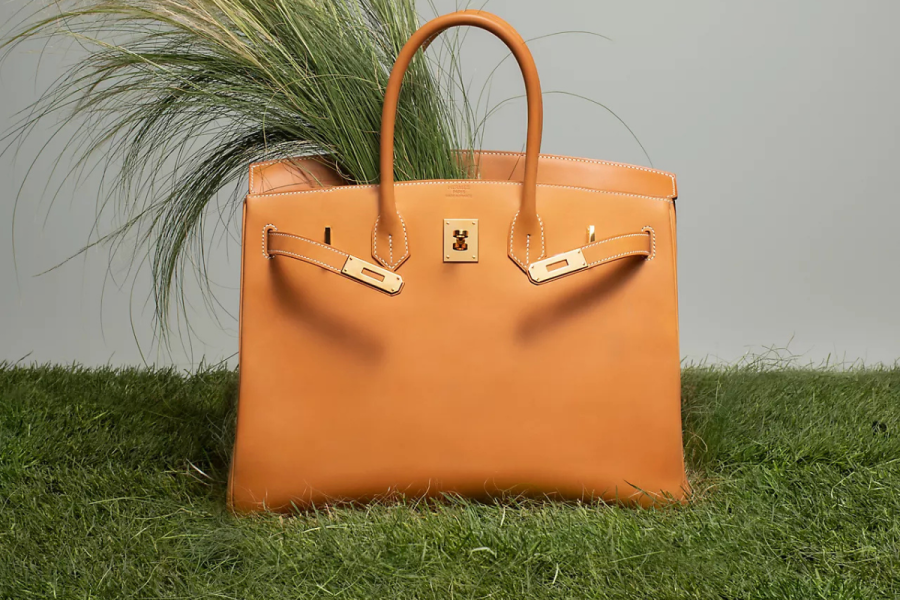
It is the handbag that money alone simply cannot buy, and for decades the Hermès Birkin has fuelled obsession, frustration, and a global luxury myth that refuses to fade.
Despite price tags that can stretch from the thousands into the hundreds of thousands, depending on material and rarity, would-be buyers quickly discover a far more uncomfortable truth: even wealth does not guarantee access. Instead, ownership is dictated by an opaque system of allocation, boutique discretion, and what many shoppers describe as an unofficial 'waiting list' that may not even exist in any formal sense.
According to CNN reporting and court filings cited in a 2024 antitrust complaint in the United States, customers have alleged that Hermès restricts access to Birkin bags through selective selling practices, requiring buyers to build significant purchase histories before they are ever offered the iconic handbag.
A Bag Money Can't Simply Buy
For many luxury shoppers, the Birkin represents the pinnacle of status, but also frustration.
Despite its global fame, the bag is not sold online and is rarely displayed openly in Hermès boutiques. Instead, sales associates are known to offer them privately to select clients, often after years of prior spending on other products such as shoes, scarves, and jewellery.
One frustrated shopper, quoted in US legal filings, said the experience felt like being 'tested rather than served', while others argue the process creates an artificial barrier designed to heighten desire.
Hermès, however, maintains that its distribution model is about preserving craftsmanship and exclusivity rather than unfairly limiting access. The brand insists production remains highly controlled due to the time-intensive nature of making each bag by hand.
Still, for many consumers, the perception is clear: the Birkin is not just bought, it is granted.
The Myth of the 'Waiting List'
Perhaps the most persistent myth surrounding the Birkin is the idea of a formal waiting list. In reality, multiple reports suggest no such official system exists.
Instead, availability is determined at the store level, meaning two customers spending similar amounts may receive entirely different treatment depending on location, timing, and client history.
This lack of transparency has fuelled speculation for years. Some shoppers claim they were repeatedly told to 'come back later', while others say they were never even offered the opportunity to request a bag directly.
Industry insiders suggest the myth of the waiting list itself has become part of the marketing power of Hermès, reinforcing the idea that the Birkin is not just rare, but selectively bestowed.
As one retail analyst noted in commentary cited by Reuters, scarcity in luxury is often not accidental but carefully managed, designed to maintain long-term desirability rather than short-term sales volume.
A Secretive Resale Market Worth Billions
Where official access is tightly controlled, a booming secondary market has stepped in to meet demand.
According to industry estimates and resale tracking platforms, Birkin bags frequently sell for well above retail value on the resale market, with rare editions reaching six-figure sums depending on condition, colour, and materials.
This has created what analysts describe as a 'parallel luxury economy', where authenticated resale platforms, private dealers, and auction houses compete for supply, and profit from scarcity created at the retail level.
In some cases, the resale value has become so strong that the Birkin is now viewed less as a handbag and more as an alternative investment asset, rivalled only by fine watches and rare jewellery in the luxury space.
However, the same desirability has also led to darker consequences, including thefts and an underground trade that continues to shadow the brand's pristine image.
Despite controversy, demand shows no sign of slowing. In fact, for many buyers, the difficulty of obtaining a Birkin is precisely what defines its value, transforming it into one of the most powerful symbols of modern luxury, where ownership is not just about wealth, but access, influence, and exclusivity.